
BRETT FRENCH | bfrench@billingsgazette.com
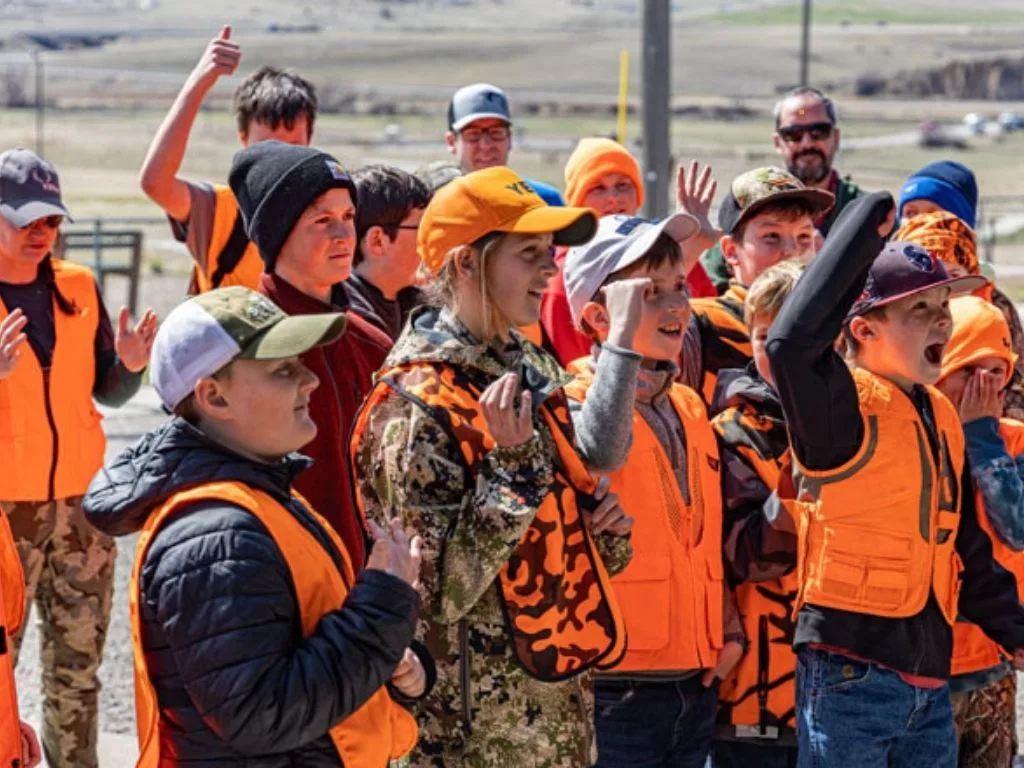
Montana is increasing its investment in hunter education while facing the headwinds of youngsters, their two-income parents and volunteer instructors being overscheduled with other activities.
Last year, the Department of Fish, Wildlife & Parks hired seven education technicians — one for each of its regional offices. Part of the tech’s role will be to help with the firearm safety program that everyone born after Jan. 1, 1985, is required to take before they can purchase a hunting license.
“We’ve never had a shot in the arm like that,” said Greg Lemon, administrator of FWP’s Communication & Education Division.
Recruiting new hunters, and selling them licenses, is key to the agency’s survival. One half of its budget, which also goes to things like improving wildlife and fisheries habitat, comes from license sales.
“Recruitment for hunting is an issue to be concerned about,” Ed Beall, chairman of the Private Land/Public Wildlife Council, said in a recent meeting discussing the topic.
“Hunter education is something we all count on heavily for all the aspects of what we’re dealing with, obviously safety being number one, but second is relations amongst all parties, landowners, public and, of course, other hunters,” he said.
Hunting declining
Now FWP’s administrators are wrestling with how to attract students and volunteer instructors amid challenges that include finding free venues for holding in-person classes and clashes between new instructors and veterans about how to teach.
Perhaps the major factor, one which the department is unable to address, is a lack of time among students, volunteers and parents.
FWP is also dealing with a culture that is turning away from hunting as a pastime and family activity across generations.
In 2022, a U.S. Fish and Wildlife Service survey put the number of American hunters at 14.4 million, down from 16.7 million in 1985, a nearly 14% decline. Yet in Montana, since the state began requiring a base hunting license in 2016, sales dropped only about 2% by 2023 for residents. (Nonresident base hunting license sales between 2020 and 2024 climbed by 25%.)
“You hear national numbers around hunter recruitment in the East is at an all-time low, right?” said Francis Reishus, FWP’s Outdoors Skills and Safety supervisor. “But Montana has this blurb of staying really healthy.”
Yet for many students participating in live-fire exercises during field days, the final tests that simulate real hunting situations, it’s the first time they’ve shot a gun, Reishus said.
“That, to me, means our culture is struggling,” he said.
PLPW member Craig Jourdonnais, who worked 33 years for FWP, is now employed as a big game researcher on the MPG Ranch in the Bitterroot Valley. The ranch has provided hunter instruction with an extra incentive, access to hunt elk on the property after graduating.
When the program started more than a decade ago, the four-day classes in August were overflowing and some students were turned away. The last few years, Jourdonnais said, it’s been hard to get anyone to sign up.
“I’m actually kind of blown away at the lack of interest in that opportunity compared to years ago,” he said. “It seems like maybe it’s something that has run its course.”
Other states offer incentives to instructors and students to recruit them, such as awarding bonus points for special hunting permits, said Stevensville PLPW member Everett Headley. He suggested Montana explore the options.
“I want to protect hunting, so the most robust hunter education program we can do … to facilitate that and get some results sooner than later,” he said. “There are solutions out there.”
Feature photo via Montana Fish, Wildlife and Parks