
You might think ice fishing is simple: drill a hole, drop a line, and wait for something to bite. But if that’s your entire strategy, there’s a good chance you might be ice fishing wrong. Successful anglers know it’s a little more involved than just sitting on a bucket and hoping for the best.
Key Takeaways
- Ice fishing success often comes from moving and testing multiple spots—not camping on one hole all day.
- Experimenting with depth can quickly reveal where fish are actually holding under the ice.
- Changing lures or bait can turn a slow bite into a steady one without changing locations.
- Drilling extra holes helps you cover water and find active fish faster.
- Structure and drop-offs matter; they’re often where fish stack up beneath the ice.
Finding fish under the ice takes some movement and a bit of experimentation. Changing depths, trying different lures or bait, and drilling a few extra holes to cover more water can make a big difference. Paying attention to structure, drop-offs, and where fish are likely holding can turn a slow day into a productive one.
In other words, sometimes the best way to catch more fish through the ice is to fish a little less like a statue and a little more like a hunter.
Here are seven rookie mistakes that @Girlof10000Lakes says you should avoid while ice fishing:
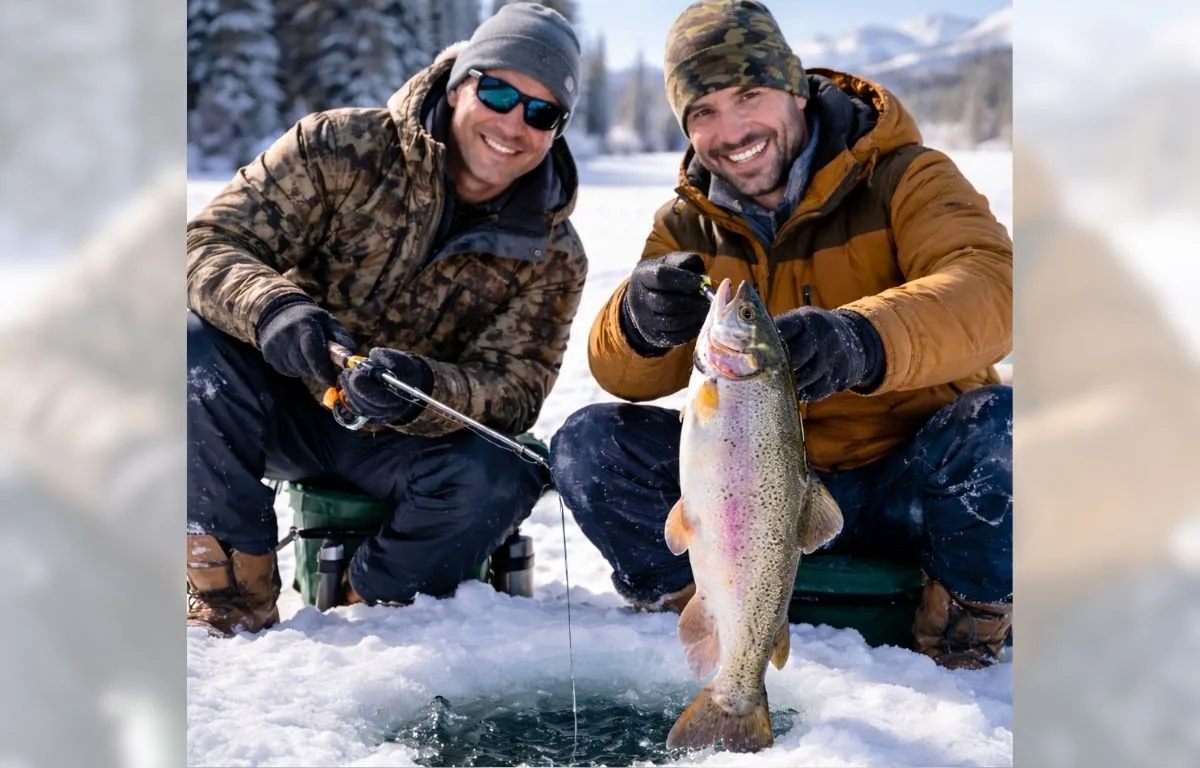
Feature photo AI generated
FAQ: Ice Fishing Mistakes & How to Catch More Fish Through the Ice
- Is ice fishing really more than drilling a hole and waiting?
Yes. This article’s main point is that sitting still with one plan often leads to slow days; success usually involves moving, experimenting, and reading what’s happening under the ice. - What’s one of the most common rookie mistakes in ice fishing?
Fishing like a “statue”—staying put without adjusting your approach. The better move is to actively search and adapt. - How do I use depth changes to find fish under the ice?
Work different depths instead of committing to just one. Fish may be suspended or holding at a specific level, and you won’t know until you test. - Should I drill more than one hole?
Yes. Drilling a few extra holes helps you cover more water and find where fish are actually active. - When should I switch lures or bait?
If the bite is slow, try a different lure or bait before assuming there are no fish around. Small changes can make a big difference. - What kinds of underwater features should I look for?
Pay attention to structure and drop-offs. These areas can concentrate fish and turn a slow day into a productive one. - What mindset helps most with ice fishing?
Think like a hunter: move, test, and learn quickly from what (isn’t) happening, rather than hoping fish come to you. - Where can I see the seven mistakes explained?
Watch the embedded video in this post, where @Girlof10000Lakes walks through seven rookie mistakes to avoid.
Related Reading
- Monster Lake Trout Through the Ice: Epic Ice Fishing Battle on the Hard Water
- Kids Ice Fishing at Hebgen Lake: Laughs, Winter Magic & Kids-N-Snow in West Yellowstone (Video)
- Remote Work From Anywhere? Ice Anglers Are Turning Frozen Lakes Into the Ultimate Office
- Ice Thickness Report for Margo’s March Madness Derby (Feb. 22, 2026): 8 Inches at County Ramp, Thinner Near the Dam
- Montana Ice Fishing Tragedy: Troy Man Dies After Falling Through Ice on Spar Lake, Sheriff’s Office Says


