
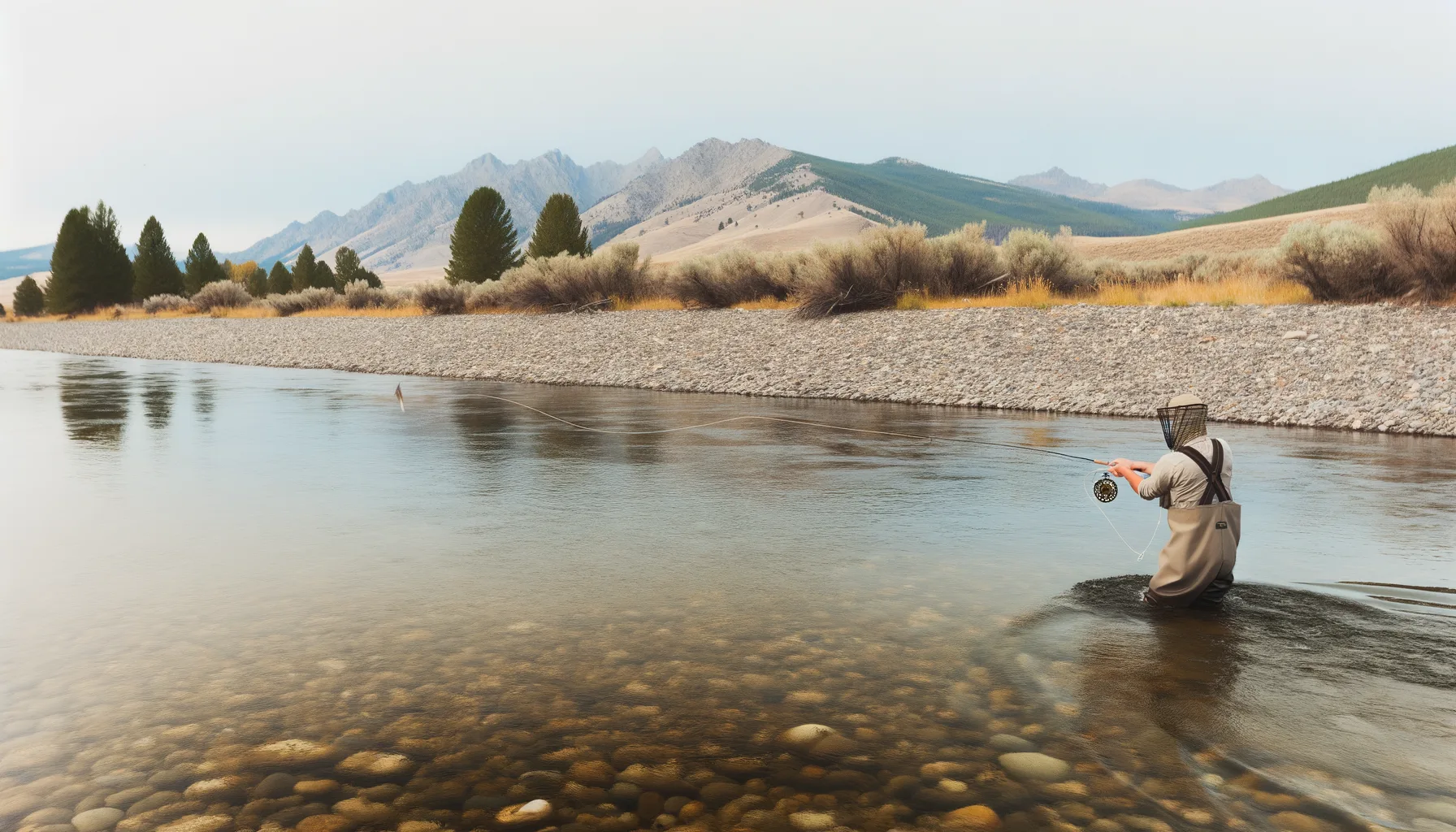
Low-water fishing seasons in Montana aren’t just challenging—they’re a completely different game. When snowpack comes up short and spring runoff barely materializes, our rivers transform into environments that demand smarter tactics, deeper knowledge, and a willingness to adjust your entire approach to trout fishing.
This year’s conditions are setting up for exactly that kind of season. With mountain snowpack trending below average in many watersheds and warmer temperatures accelerating what little runoff we’re getting, Montana anglers should prepare now for low, clear water conditions that could arrive earlier and last longer than usual.
Why Low Water Changes Everything
When Montana rivers run low, trout behavior shifts dramatically. Fish become more concentrated in holding water, making them easier to locate but also far more skittish. Crystal-clear water means your 5X tippet might as well be a climbing rope, and that size 14 Adams you’ve relied on all spring suddenly looks like a pterodactyl floating overhead.
Water temperatures also rise faster in low conditions, which creates a critical window for ethical fishing. When stream temps push past 68 degrees Fahrenheit, the stress on trout—especially during a fight—can be lethal even if you practice perfect catch-and-release. This is when hoot owl restrictions typically kick in, closing rivers to fishing from 2 p.m. until midnight.
Tactical Adjustments for Low-Water Success
Low water isn’t an excuse to stay home—it’s an opportunity to sharpen your skills and catch educated fish. Here’s how to adjust:
- Downsize everything: Drop to 6X or even 7X tippet. Scale down your flies two sizes smaller than you’d normally fish. That means size 18-22 patterns when you’d typically throw 16s.
- Fish the margins: Trout hug banks, undercuts, and shade when water’s low. Work the edges methodically before wading into the middle of the river.
- Go early or go late: Dawn and dusk fishing becomes even more productive. Cooler temps bring fish out of their hiding spots and increase surface activity.
- Master the upstream approach: Stealth matters more than ever. Fish upstream so you’re approaching from behind, keep a low profile, and minimize false casts.
- Consider terrestrials: Low water means grasshoppers, beetles, and ants become a larger percentage of the trout’s diet as they fall from streamside vegetation.
When to Walk Away
The hardest skill to learn as an angler is knowing when not to fish. During low-water years, Montana Fish, Wildlife & Parks monitors stream temperatures closely and implements emergency closures when conditions threaten trout populations. These aren’t suggestions—they’re conservation measures that protect the fisheries we all depend on.
Carry a stream thermometer and check it regularly. If you’re reading anything above 67 degrees, seriously consider calling it a day regardless of whether official restrictions are in place. A five-pound brown that dies from temperature stress after a prolonged fight is gone forever. There’s always tomorrow, or next week, or next season.
The Upside of Tough Conditions
Low-water seasons separate casual anglers from serious students of the sport. You’ll learn to read water better, improve your presentation, and gain appreciation for just how adaptable trout can be. Some of the most memorable fish of your life will come from skinny water conditions where everything had to be perfect.
Plus, fewer anglers hit the water when conditions get tough, meaning more river to yourself. Spring creeks and tailwaters with more stable flows become even more valuable. Small tributaries that usually get overlooked can fish surprisingly well when they’re not blown out by snowmelt.
Prepare your gear now—stock up on smaller flies, check your tippet supply, and get that thermometer ready. This could be a season that makes you a better angler, whether you’re ready for it or not.
Source inspiration: Montana Right Now