
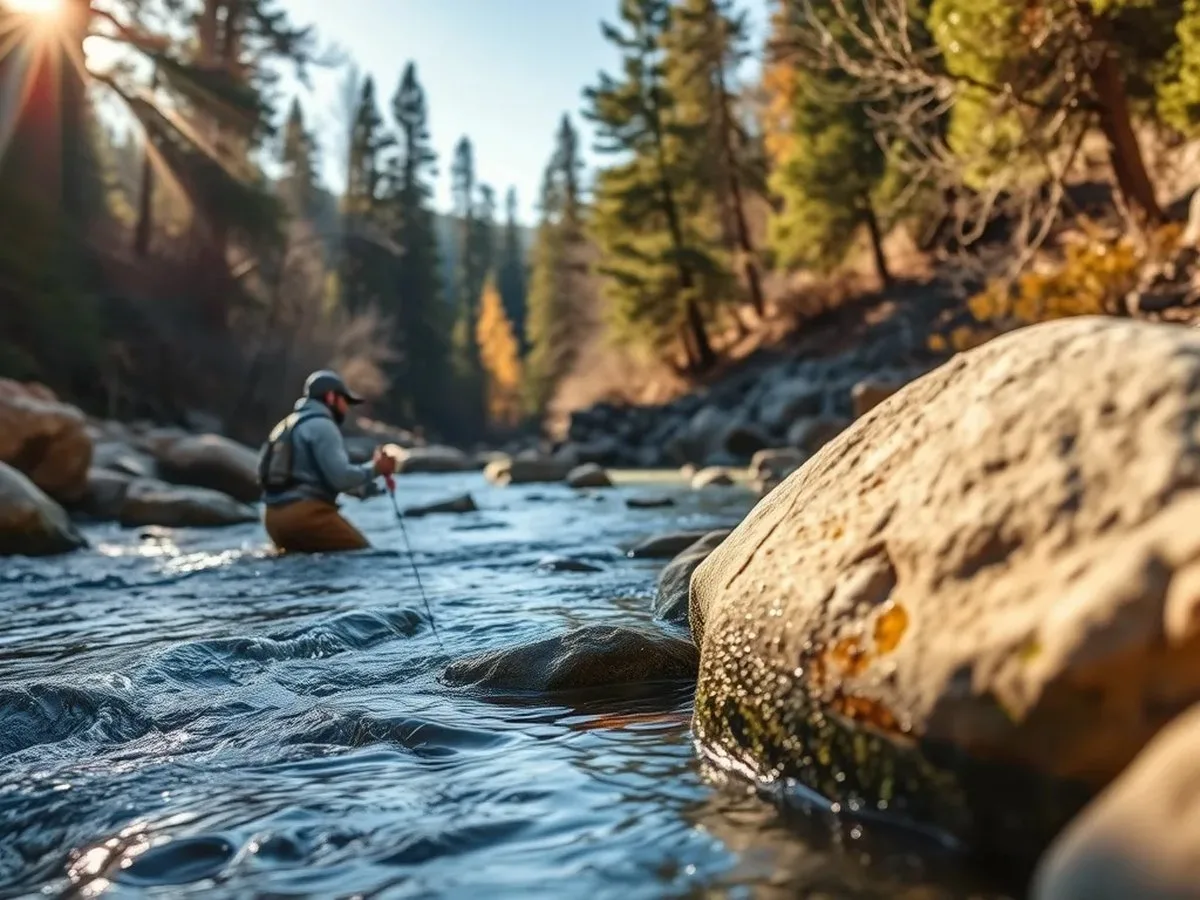
Even with a warmer-than-average winter, Montana’s Stillwater River is still running cold—and that’s kept fishing from fully getting going. Water levels are low, but trout have been holding in deeper slots where nymphing has produced some action for patient anglers.
Key Takeaways
- Cold water is the main limiter right now, even after a warmer-than-average winter.
- Low flows have trout set up in deeper slots.
- Nymphing has been productive for anglers willing to work for it.
- The Stillwater is typically colder than many other Montana rivers, so it often shines after runoff.
- Fishing should improve gradually as daytime highs and water temps climb.
Since the Stillwater tends to stay colder than many other Montana rivers, it usually doesn’t hit its stride until after runoff. That said, conditions should gradually improve as warmer days begin to raise water temperatures.
Latest Stillwater River Report (Montana Angler, March 6, 2026)
Here’s the latest report from Montana Angler from March 6, 2026:
Even with our warmer-than-average winter weather, the Stillwater River is still pretty cold for consistently good fishing. The Stillwater River is low, but trout are moving into the deeper slots and nymphing has been productive. This is a colder river compared to many other Montana rivers, so we typically don’t spend much time on the Stillwater until after runoff.
The Month Ahead: Fishing will be getting better and better as daytime highs and water temps gradually warm.
Long Term Fishing Forecast: The Stillwater is a relatively cold river and isn’t as productive as some other fisheries in the region until after runoff.
How to Approach the Stillwater Right Now
With low water and cold temperatures, the most consistent theme is trout holding in deeper slots. If you’re heading out, plan on a slower, more methodical day where you’re covering the most likely holding water carefully. Based on the report, nymphing has been the most productive approach for anglers willing to stay patient.
What to Expect Next (Month Ahead + Long-Term)
Looking ahead, the report points to a gradual uptick: as daytime highs rise, water temps should follow—bringing better fishing day by day. Longer term, the Stillwater’s reputation as a colder river still applies, and it’s generally more productive after runoff than it is early.
Related Reading
- Montana fishing reports: latest river-by-river updates
- Nymphing basics: how to catch trout when the water is cold
- How to read deep slots and runs for holding trout
- Spring runoff guide: what it means for river fishing
- Cold-water trout strategies: timing, tactics, and expectations
- Fishing low water: how flows change trout positioning
- Spring hatches in Montana: what to watch for as temps rise
FAQ: Stillwater River Fishing Conditions (Spring)
Why is the Stillwater River fishing still slow right now?
According to the report, the river is still running cold, and cold water can delay consistently good fishing even when winter has been warmer than average.
Are water levels high or low on the Stillwater?
Water levels are low in the current report.
Where are trout holding in these conditions?
Trout have been holding in deeper slots, which can concentrate fish but often requires more precise presentations.
What’s been working best for catching trout?
Nymphing has been productive, especially for patient anglers working deeper water.
When does the Stillwater River usually “hit its stride”?
The Stillwater is described as a colder river than many other Montana rivers, and it typically fishes best after runoff.
Will fishing improve soon?
Yes—Montana Angler’s “Month Ahead” outlook says fishing should get better and better as daytime highs and water temperatures gradually warm.
Is the Stillwater as productive as other regional fisheries in early spring?
The long-term forecast notes it isn’t as productive as some other fisheries in the region until after runoff.
What’s the main thing to watch as spring progresses?
Water temperature trends: as daytime highs rise and water warms, fishing is expected to improve.
Feature photo AI generated.


