
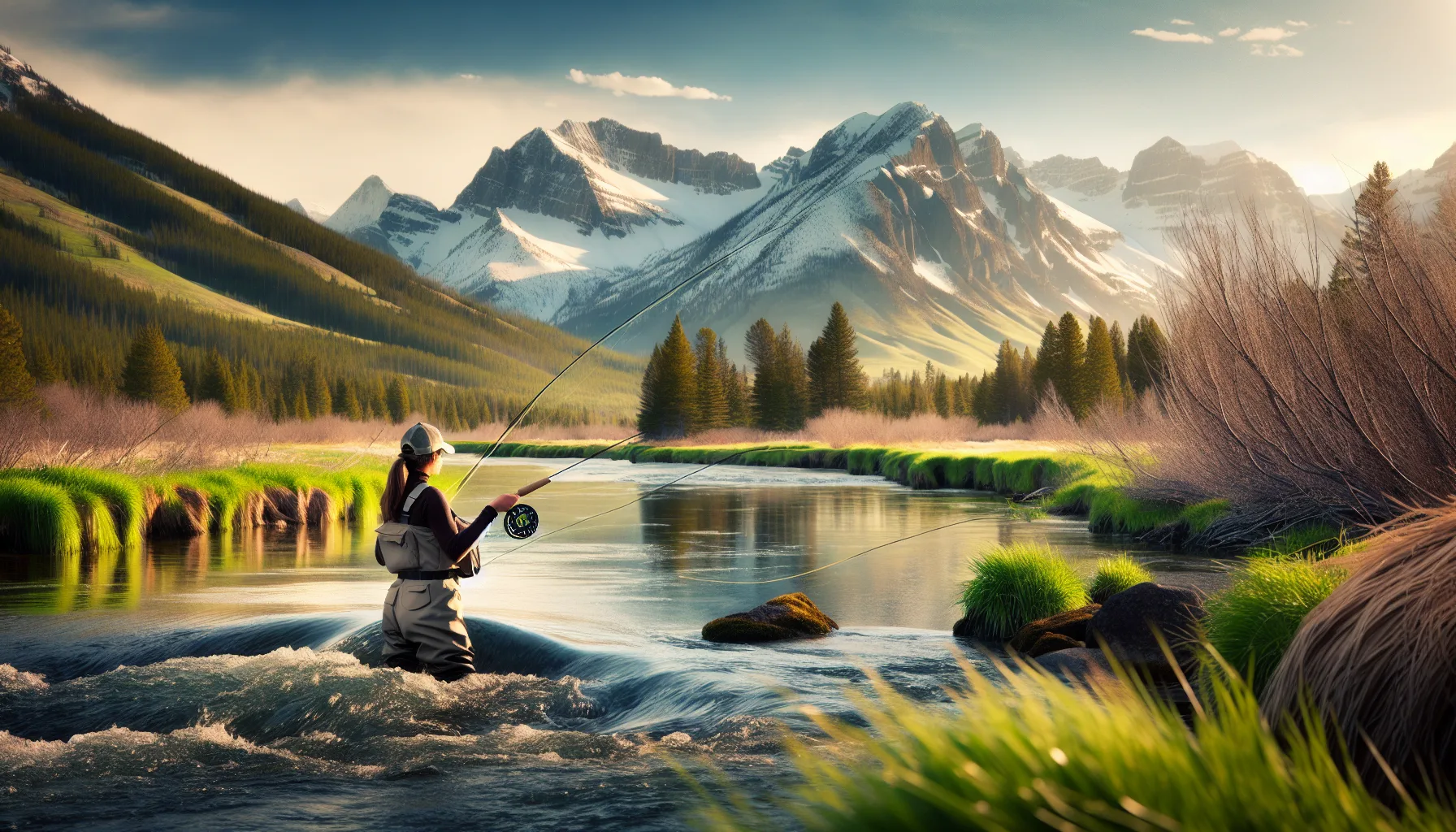
March 10th marks one of the most exciting times in Montana’s fishing calendar—ice-out season is upon us! Based on historical patterns from the past several years, this week typically brings rapidly changing conditions as winter’s grip loosens and our favorite waters begin their transition to spring fishing. While ice conditions remain variable and potentially dangerous, open water opportunities are expanding daily.
Key Takeaways
- Ice is highly variable and can be dangerous—conditions can shift from “looks fishable” to unsafe within short distances.
- Water temps are generally mid-to-upper 30s, so expect sluggish fish and prioritize slow, deep presentations.
- Tailwaters can be the most consistent bet, with late-morning midge activity occasionally setting up dry-fly windows.
- Freestones can surprise during warm spells, but shelf ice, floating ice, and access challenges remain common.
- Reservoirs are transitioning fast: shore fishing improves as ice pulls off, and some boat ramps typically begin opening mid-March.
- Historical patterns are guides, not guarantees—always verify current ice safety and access before heading out.
Safety reminder: Ice conditions are extremely dangerous right now. Many areas that appear fishable have unsafe ice with thicknesses ranging from vehicle-supporting to completely open water within short distances.
Current Conditions Overview
This time of year historically brings dramatic changes across Montana’s waters. Many reservoirs are experiencing unsafe ice conditions with caps pulling away from shorelines, while some rivers are beginning to clear of shelf ice. Water temperatures hover in the mid-to-upper 30s, keeping fish sluggish but increasingly active as longer days trigger their spring instincts. Weather patterns typically alternate between spring-like warmth and winter cold snaps, making day-to-day conditions highly variable.
If you’re tracking the broader ice-out shift statewide, this pairs well with Chasing Ice: For Some, the Season’s Over, which highlights how quickly late-season ice plans can change.
Top Rivers to Fish This Week
Madison River
The Madison is typically fishing well during mid-March, though access remains limited due to ice conditions. Historical reports show excellent nymphing opportunities with water temps just above 35°F.
- Target species: Rainbow and brown trout
- Best techniques: Deep nymphing with slow presentations. Focus on stopping at productive holes rather than run-and-gun tactics
- Proven patterns: Pink worms, pink/flesh-colored eggs, midge larvae, and stonefly nymphs
- Access: Stay above 8 Mile Ford for best conditions. Valley Garden and Ennis town access typically remain closed due to ice
Missouri River
Tailwaters like the Missouri historically provide some of the most consistent action during this transition period, with occasional midge hatches creating exciting dry fly opportunities. For a deeper, Missouri-specific look at what this time of year can deliver, see Missouri River Fishing in March 2026: Unpredictable Weather, Midge Hatches, and Prime Streamer Days and the broader seasonal context in Missouri River Fishing Forecast (February 2026).
- Target species: Rainbow and brown trout
- Best techniques: Nymphing in deeper runs, watching for sporadic midge activity in late morning
- Key patterns: Small midge larvae, Griffith’s Gnats for clustering midges, zebra midges
- Conditions: Focus on slower, deeper pools where fish hold in cold water
Yellowstone River
Still mostly locked in winter mode, but historically begins showing signs of life during warm spells this time of year.
- Target species: Rainbow, brown, and cutthroat trout
- Best approach: Target top of longer, slower runs first, then go deeper if needed
- Caution: Expect significant ice coverage, floating ice, and difficult access. Wade carefully and inform others of your plans
- Tactics: Fish only deep green water, avoid areas with heavy ice flow
Gallatin River
Freestone streams like the Gallatin can surprise anglers with sporadic midge hatches during warmer mid-March days. If you’re focusing on the Bozeman area, compare notes with Bozeman Early Spring Trout Fishing Report (March 9, 2026).
- Target species: Rainbow and brown trout
- Best patterns: Single midge patterns like Palomino midges during hatches, small nymphs in deeper pools
- Strategy: Fish intimately and thoroughly—winter fishing isn’t meant to be rushed
Top Lakes and Reservoirs
Canyon Ferry Reservoir
Historically one of the most productive waters during mid-March, though ice conditions vary dramatically across the reservoir.
- Target species: Rainbow trout, perch, walleye, occasional ling
- Hot spots: Silos to Ponds area (8–15 feet), Hole in the Wall (50–60 feet)
- Proven baits: Ice flies, pink jigs tipped with worms or waxworms, bright Glo hooks with maggots
- Ice status: Variable—south end typically has open water first, with great rainbow action as ice pulls from shore
Hauser Lake
The Causeway area consistently produces excellent rainbow fishing during this transition period.
- Target species: Rainbow trout, with some burbot, walleye, and perch
- Best spots: Causeway area, Black Sandy area
- Top baits: Small jigs with maggots or crawlers, plain crawlers, Powerbait
- Structure fishing: Try powerlines area for burbot and walleye using rattle spoons or dead bait near bottom
Holter Lake
The Gates of the Mountains area historically provides outstanding rainbow fishing, with boat access typically opening mid-March.
- Target species: Trophy rainbow trout
- Techniques: Small rubber-legged ice jigs with maggots, leech pattern flies, various spoons
- Shore options: Marshmallows, plain crawlers, Powerbait along shoreline areas
- Boat access: Gates boat ramp typically opens around March 14th ($10 launch fee)
For the latest management and fishery discussion items that often overlap with Canyon Ferry, Hauser, and Holter planning, see Montana FWP Upper Missouri River Fisheries Meeting (March 16, Helena): Canyon Ferry, Hauser, Holter Updates.
Flathead Lake
Delta area consistently produces excellent lake trout action during early spring.
- Target species: Lake trout (Lakers)
- Depths: 10–30 feet off the Delta
- Best baits: Dead baits, swim baits for casting
- Timing: Mack Days event typically starts around March 13th
If you’re planning to fish Flathead during Mack Days, these two guides add helpful context: 2026 Spring Mack Days on Flathead Lake: Dates, Prizes, Rules, Fish Pickup Sites & Conservation Goals and 2025 Spring Mack Days – Week 1 Update.
Hatches and Fly Selection
Mid-March marks the beginning of Montana’s midge season. While not consistent, the right conditions can produce excellent dry fly fishing.
Primary Hatches
- Midges: Most active during late morning hours, especially on tailwaters
- Early stones: Begin showing activity on some freestone streams
Essential Fly Patterns
- Midge larvae: Zebra midges (sizes 18–22), red and black variations
- Midge clusters: Griffith’s Gnat (sizes 16–20) for tailwater “rafts”
- Single midges: Palomino midge (sizes 18–22) for freestone streams
- Spring nymphs: Pink worms, pink/flesh eggs, various stonefly nymphs
- Leech patterns: Particularly effective in lakes and reservoirs
Gear and Tactics for Mid-March
Essential Gear
- Layered clothing: Conditions change rapidly—be prepared for both winter and spring weather
- Ice safety equipment: Spikes, rope, and flotation if accessing questionable ice
- Plank: Essential for accessing separated ice caps on reservoirs
- Heavy leader: 50lb+ braid recommended for brushy northern pike areas
Proven Tactics
- Slow and deep: Fish are still cold—get offerings down and slow
- Multiple presentations: Let fish see your bait/fly multiple times in each spot
- Structure focus: Target deep green water, avoid shallow or icy areas
- Timing: Late morning often best for any surface activity
Week Outlook
Early Week (March 10–12)
Continue monitoring ice conditions on reservoirs. Shore fishing becomes increasingly productive as ice pulls away. Rivers may see improved access if temperatures moderate.
Mid-Week (March 13–15)
Historically when boat ramps begin opening on reservoirs like Holter. Watch for the first consistent midge hatches on tailwaters. This is typically when lake fishing transitions from ice fishing to open water tactics.
Late Week (March 16–17)
If patterns hold true to previous years, this could be the last week for any safe ice fishing. Open water opportunities should expand significantly, especially on larger reservoirs.
Weather Considerations
March weather in Montana is notoriously fickle. Be prepared for anything from spring-like conditions to sudden winter storms. Always check current conditions and ice reports before heading out, as historical patterns are just guidelines—actual conditions can vary significantly year to year.
Remember, this forecast is based on historical patterns from previous years during the same time period. Always verify current conditions, ice safety, and access before heading out. When in doubt, contact local fly shops and guides for up-to-the-minute reports.
FAQ: Mid-March Montana Fishing (Ice-Out Transition)
Is it safe to ice fish in Montana in mid-March?
Ice can be extremely dangerous this time of year. Conditions may vary from seemingly solid to open water within short distances, especially where ice caps pull away from shore. If you’re unsure, avoid questionable ice and verify local conditions before going.
What water temperatures should I expect right now?
Historically, many waters hover in the mid-to-upper 30s in mid-March, which keeps fish sluggish but increasingly active as daylight increases.
What are the best tactics for trout during ice-out conditions?
Prioritize slow, deep presentations—especially deep nymphing in productive holes and deeper runs. Cold-water fish often reward patience and repeated drifts rather than fast “run-and-gun” coverage.
When is the best time of day for midge hatches?
Late morning is often best, particularly on tailwaters where sporadic midge activity can create short dry-fly opportunities.
What flies should I carry for mid-March in Montana?
Bring zebra midges (sizes 18–22), Griffith’s Gnats (sizes 16–20), Palomino midges (sizes 18–22), plus spring staples like pink worms, pink/flesh eggs, and stonefly nymphs. Leech patterns can be especially effective on lakes and reservoirs.
Which rivers are typically most consistent in mid-March?
Historically, tailwaters (like the Missouri) can offer steadier opportunities during the transition, while freestones can fish well during warm spells but often have more ice and access challenges.
How should I approach fishing freestone rivers with ice and floating chunks?
Stick to deep green water, avoid heavy ice flow areas, wade carefully, and expect tough access in places. Let someone know your plan when conditions are hazardous.
Are boat ramps usually open by mid-March?
Some ramps typically begin opening around mid-March on certain reservoirs. Conditions vary year to year, so confirm access status before you travel.
Related Reading
- Chasing Ice: For Some, the Season’s Over
- Missouri River Fishing in March 2026: Unpredictable Weather, Midge Hatches, and Prime Streamer Days
- Missouri River Fishing Forecast (February 2026): Midges, 36°F Water Temps, and Winter Streamer/Trout Spey Opportunities in Craig, MT
- Bozeman Early Spring Trout Fishing Report (March 9, 2026): Best Techniques, Flies, and Peak Time Windows
- Montana FWP Upper Missouri River Fisheries Meeting (March 16, Helena): Canyon Ferry, Hauser, Holter Updates
- 2026 Spring Mack Days on Flathead Lake: Dates, Prizes, Rules, Fish Pickup Sites & Conservation Goals
- 2025 Spring Mack Days – Week 1 Update


