
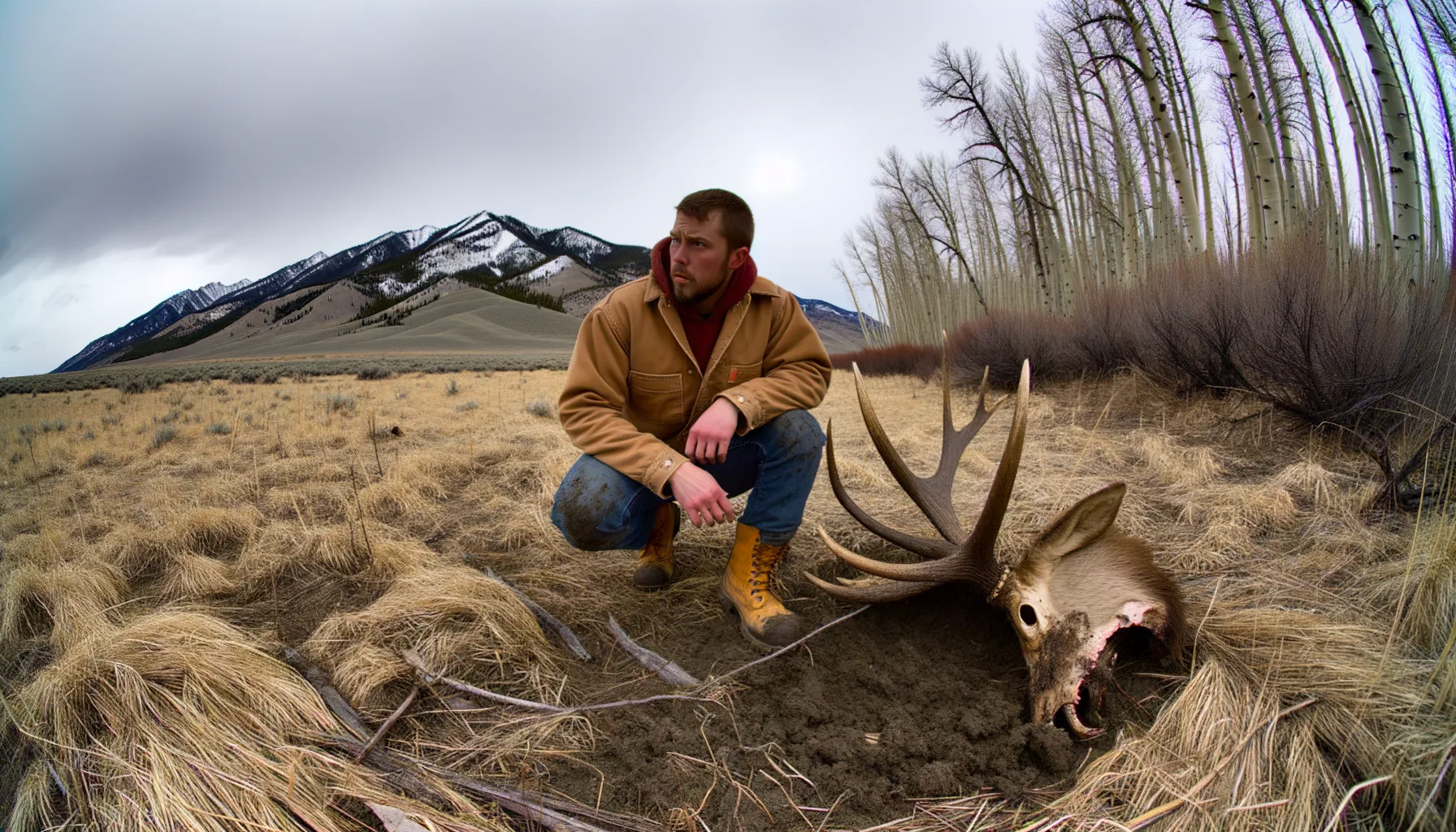
If you’ve been watching the snowpack numbers this winter, you already know something is different about 2026. Central and western Montana are running well below average on snow depth, and elk winter ranges that typically stay locked up until late April are already accessible on foot right now. That means the shed hunting window — always competitive, always short — opened early this year, and the clock is already ticking.
This is genuinely one of the better opportunities Montana shed hunters have seen in a decade. But “better opportunity” cuts both ways. The same low snowpack that’s giving you access is giving access to everyone else too. If you’ve been waiting for the snow to soften up before you head out, understand this: some of those south-facing ridges in the Blackfoot Valley, the Judith Mountains, and the lower Bitterroot have been walkable for three weeks already.
Why Right Now Is the Window
Elk drop their antlers in response to changing photoperiod and dropping testosterone, typically between late February and mid-April in Montana. Bull elk on winter range — especially mature bulls that have burned through body reserves — often shed earlier than younger animals. This year, with elk able to access early green-up forage on south-facing benches sooner than usual, the biological triggers are happening on an accelerated schedule.
The practical implication is simple: fresh sheds are on the ground right now, and they’re sitting in country you can reach without snowshoes. Give it another three to four weeks and you’ll have significant competition from other shed hunters, ATV riders, and hikers who wait for full spring conditions. The early mover wins in shed hunting, full stop.
Where to Focus in Montana Right Now
South-Facing Winter Ranges in Central Montana
The Judith Mountains near Lewistown and the Missouri River Breaks north of the highway are classic mule deer and elk shed country. Mule deer bucks in the Breaks drop earlier than most people expect — many are already antler-free by early March. Walk the south-facing coulees and rimrock edges, especially where sage and bunchgrass are already greening. Look for the pinch points where deer funnel between bedding cover and open feeding areas.
The Blackfoot and Clearwater Drainages
The country east of Missoula — the Blackfoot River corridor between Lincoln and Ovando, and the Clearwater drainage around Seeley Lake — holds significant numbers of wintering elk. The Rocky Mountain Front along the Blackfoot sees bulls staging on the lower timbered benches through February and into March before they push north and east. Walk the transition zones between dark timber and open south-facing slopes. You’re looking for elk beds, fresh tracks, and the scattered hair that tells you animals spent real time in a spot.
Western Montana’s Lower Elevation Benches
The lower Bitterroot Valley south of Missoula, the Skalkaho corridor, and the benches above the Clark Fork near Drummond all hold wintering elk. These animals have been feeding on south-facing grasslands for weeks now, and there are sheds sitting in that country. Pay particular attention to fence crossings, creek crossings, and any terrain feature that would jar a loose antler free. A bull that’s almost ready to drop will often shed on a crossing or a jump.
Practical Tactics That Actually Work
- Glass before you walk. Bring binoculars and sit on a high point to glass the open benches before you commit to a route. You can cover far more ground glassing than walking, and you’ll find concentrations of elk sign that tell you where to focus.
- Work the terrain methodically. Walk parallel contours across south-facing slopes rather than straight up and down. Antlers blend into grass and brush surprisingly well. Slow down.
- Focus on food and water transitions. Sheds concentrate where elk spend the most time — feeding areas, water sources, and the trails connecting them. A muddy seep or a small creek on a south bench is worth checking carefully.
- Mark your finds with a waypoint. If you find one side of a matched set, mark it and work tight circles outward. Bulls rarely drop both antlers in exactly the same spot, but the second one is usually within a few hundred yards.
- Go early in the morning. Antler ivory catches low-angle morning light better than midday sun. The white flash of a fresh shed stands out from a distance in early morning conditions.
Know Before You Go
Montana has no statewide shed hunting season or permit requirement, but you need to know where you’re walking. Many of the best winter range areas in Montana are a patchwork of public land, state land, and private ground. Pull up onX or a comparable mapping app before you leave the truck and know exactly where the property lines are. Trespassing for sheds is still trespassing, and it burns access for everyone.
Also worth noting: some federal grazing allotments and designated winter range closures exist on BLM and Forest Service land specifically to protect stressed wintering ungulates. Check with your local FWP regional office or the BLM field office for any active closures before you go. In a low-snow year when animals are scattered across a wider landscape, those closures matter less — but know the rules for the specific drainage you’re hunting.
The Bottom Line
The combination of low snowpack, early green-up, and an accelerated shed drop has created a legitimate early-season opportunity across central and western Montana. This window will not last. The next warm weekend is going to put a lot of boots in elk country. If you want first crack at what’s out there in 2026, the time to go is this week, not next month. Load up the truck, pull up your mapping app, and get into the hills. The antlers are already there waiting.