
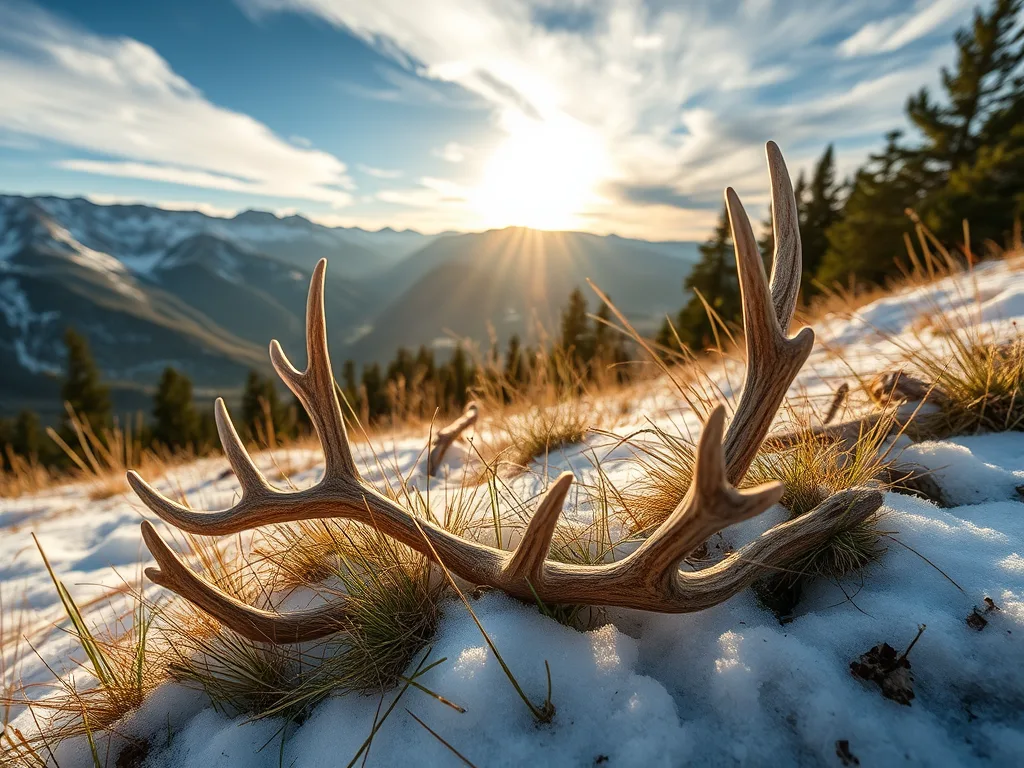
The snow is finally starting to settle, the days are getting longer, and across Montana, bull elk and mature bucks are beginning to drop their antlers. If you’ve been waiting all winter for prime Montana shed hunting conditions, your patience is about to pay off. March 10-25 represents the absolute sweet spot for finding fresh sheds on public land, and this year’s conditions are shaping up to be exceptional.
With recent weather patterns creating ideal access conditions and historical data showing peak drop times align perfectly with current dates, it’s time to lace up those boots and start covering ground. Here are seven proven public land hotspots that have consistently produced trophy elk sheds Montana enthusiasts dream about, plus quality deer antlers that’ll make your wall proud.
1. Upper Missouri River Breaks National Monument
This 378,000-acre gem northeast of Lewistown consistently ranks as one of Montana’s premier shed hunting hotspots. The Breaks provide critical winter habitat for both elk and mule deer, with animals funneling into protected coulees and river bottoms when harsh weather hits.
Focus your search along the south-facing slopes where animals bed during sunny days. The area around Knox Ridge and Devil’s Creek have produced exceptional finds in recent years. Access is good via the Knox Ridge Road, but be prepared for muddy conditions as snow melts. Pack a good pair of gaiters and waterproof boots – you’ll thank me later.
The monument’s new management team has been actively monitoring wildlife patterns, so stop by their office for current information on animal movements and access conditions.
2. Gallatin National Forest – Bridger Range
The Bridger Range north of Bozeman offers some of the most accessible antler hunting public land opportunities in southwest Montana. Elk winter heavily in this area, particularly on the eastern slopes where wind keeps snow depths manageable.
Start your search at Fairy Lake and work the drainage systems heading east. The area around Sacagawea Peak’s base has been particularly productive, with large bulls dropping impressive six and seven-point sheds. Don’t overlook the smaller side drainages – often the biggest surprises come from areas other hunters overlook.
Recent avalanche warnings in nearby areas remind us to check conditions before heading into the backcountry. The Gallatin National Forest Avalanche Center provides current safety information that’s essential reading before any high-country adventure.
3. Little Belt Mountains – Lewis and Clark National Forest
This central Montana range offers exceptional deer antler hunting opportunities, with healthy populations of both whitetail and mule deer. The mix of timber and grassland creates perfect transition zones where animals move between feeding and bedding areas.
Focus on the south-facing slopes between Belt Creek and Judith River drainages. The area around Kings Hill Pass has consistently produced quality finds, particularly along fence lines where animals jump between private and public ground. These transition areas often act as natural shed collection points.
Snow conditions here can be unpredictable, so check with the Belt Creek Ranger District for current road conditions before making the drive.
4. Beartooth-Absaroka Wilderness Periphery
While you can’t use motorized vehicles in the wilderness itself, the areas just outside the boundary near Cooke City and Silver Gate offer incredible opportunities for finding both elk and deer sheds. This region supports some of Montana’s largest elk herds, and the animals concentrate in valleys during winter months.
Work the drainage bottoms of Soda Butte Creek and the Lamar River tributaries. These areas serve as major travel corridors, and the constant animal movement means regular shed drops. The key here is persistence – this isn’t a weekend warrior location, but rather a place that rewards dedicated searchers.
Be aware that this area can have significant bear activity, even in March. Carry bear spray and make noise while searching.
5. Cabinet Mountains Foothills
Northwest Montana’s Cabinet Mountains provide some of the state’s best-kept shed hunting secrets. The combination of thick timber and open parks creates ideal wintering habitat, particularly for large bull elk seeking security cover.
Focus your efforts around Rock Creek and East Fork Bull River areas. The elevation changes create natural funneling effects, concentrating animals in predictable locations. South-facing slopes with scattered timber offer the best combination of feed and security that big bulls prefer.
Access can be challenging due to logging roads and seasonal closures, so contact the Cabinet Ranger District for current information on road conditions and any temporary restrictions.
6. Crazy Mountains – Gallatin National Forest
The Crazies northeast of Livingston host significant elk populations that winter in the foothills and lower elevation drainages. This area has produced some truly impressive shed finds over the years, including several seven-point bulls that made the record books.
Work the drainages on both the east and west sides, paying particular attention to areas where timber meets open parks. Sweet Grass Creek drainage and Big Timber Creek have been consistently productive, especially during late March when bulls are moving toward summer range.
The recent corner crossing ruling by the U.S. 10th Circuit Court of Appeals opens up some previously inaccessible areas, making this an even more attractive destination for serious shed hunters.
7. Milk River Country – Phillips County
Eastern Montana often gets overlooked by shed hunters, but the Milk River drainage supports healthy populations of both elk and deer. The rolling prairie country might not look like traditional elk habitat, but the animals use creek bottoms and coulees extensively during winter.
Focus on the areas around the Charles M. Russell National Wildlife Refuge boundaries, where animals move between sanctuary areas and feeding grounds. The terrain makes for easy walking, and visibility is excellent – perfect for covering lots of ground efficiently.
With ongoing projects like the Milk River infrastructure improvements near Babb, access continues to improve in this region, making it more attractive for shed hunting expeditions.
Essential Gear and Timing Tips
Successful Montana shed hunting requires the right equipment and timing. Pack lightweight but sturdy gear: quality binoculars for glassing distant objects, a GPS unit or smartphone with offline maps, plenty of water, and high-energy snacks. Weather can change rapidly in March, so layer appropriately and always carry emergency gear.
The sweet spot for finding fresh drops is typically between March 15-25, when most bulls have shed but snow conditions still allow backcountry access. Get out early in the morning when light angles make antlers more visible against varied backgrounds.
Reading the Landscape
Successful shed hunters learn to read the landscape like a book. Look for well-used trails, bedding areas with packed snow or matted grass, and feeding areas where animals spent significant time. South-facing slopes, fence crossings, and creek bottings are natural collection points where antlers accumulate.
Don’t just walk aimlessly – think like the animals. Where would a big bull feel secure? What routes would he use moving between feed and cover? The best shed hunters combine knowledge of animal behavior with persistence and attention to detail.
March conditions across Montana are shaping up perfectly for shed hunting success. With good access, peak dropping times, and plenty of public land opportunities, this could be your year to find that wall-hanger shed you’ve been dreaming about. Which of these hotspots will you hit first, and what’s your strategy for covering ground efficiently? Share your shed hunting plans and past success stories in the comments below!


