
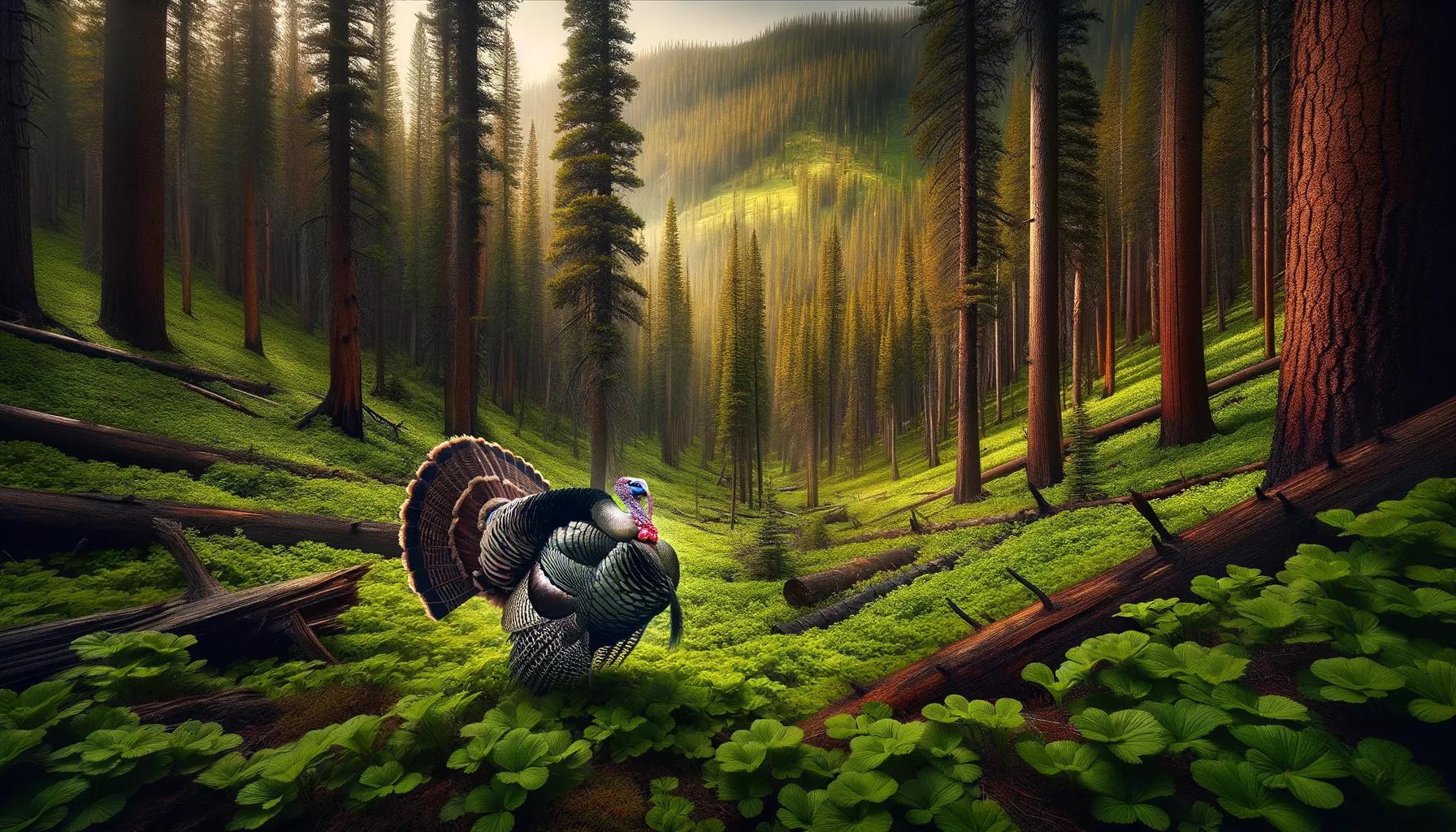
Mid-March in Montana means one thing for serious turkey hunters: the clock is ticking. Spring gobbler season opens April 15, 2026 in most of the state, and the hunters who fill their tags aren’t the ones who wait until opening morning to figure out where the birds are. They’re the ones out right now, boots on the ground, glassing river bottoms and hiking timber edges while gobblers are just starting to swell up and strut.
Key Takeaways
- Spring turkey season runs April 15–May 31, 2026 in most Montana hunting districts (check district rules before you go).
- Mid-March scouting is prime because birds are still bunched in winter flocks—easier to locate before breeding scatter.
- Lock in the basics now: roost areas, strutting zones, travel corridors, and food sources.
- Montana issues one General Turkey License per hunter for the spring season—it covers both archery and shotgun methods, and allows one bird per hunter.
- Keep calling simple: slate, box, and a diaphragm cover most Montana scenarios—avoid over-calling pressured public-land birds.
Here’s everything you need to lock in before the woods light up with gobbling this spring.
Montana FWP Season Dates and License Requirements
Montana Fish, Wildlife & Parks runs a generous spring turkey season. The general spring turkey season runs April 15 through May 31, 2026, covering most hunting districts across the state.
A valid Montana hunting license is required, along with a turkey tag—and here’s the key detail many new hunters miss: Montana issues one General Turkey License per hunter for the spring season. That license covers both archery and shotgun methods, so you do not purchase two separate tags. One bird per hunter per spring season.
Tags are available over-the-counter through FWP’s FWPonline license system or at any licensed vendor. Buy yours now. There’s no reason to wait, and no excuse for showing up to scout without a tag already in your pocket.
Nonresidents should note that Montana’s spring turkey tags are available OTC as well, making this one of the more accessible game bird opportunities the state offers to out-of-state hunters.
Check the current FWP regulations for any district-specific closures or weapon restrictions before you head out.
Why Mid-March Is the Critical Scouting Window
Right now—the second and third weeks of March—Merriam’s turkeys across Montana are transitioning. Hens and gobblers are still bunched in their winter flocks, which actually makes them easier to locate than they’ll be once they scatter during the breeding season.
That big flock of 30 birds you glass off a cottonwood river bottom along the Yellowstone near Billings or a ponderosa ridge above the Bitterroot Valley is a gold mine of information: that’s where the toms are roosting, what food sources they’re hammering, and what travel corridors connect their roost trees to open strutting areas.
Use this window hard.
- Drive forest roads with binoculars before legal shooting light.
- Read sign. Turkey tracks in the last of the snow tell a story.
- Check warm slopes. Look for scratchings in pine duff and dried grass on south-facing slopes—where birds spend winter mornings warming up and feeding.
On public land in western Montana, check BLM ground along river drainages in Ravalli, Missoula, and Sanders counties. In the east, the Custer Gallatin National Forest edges near the Yellowstone and Bighorn river corridors hold strong populations of Merriam’s that move between private and public ground.
If you want more scouting and setup ideas to use immediately, see: Montana Spring Turkey Season Opens April 11: Scout Merriam’s Toms Now (Public Land Tips, Setups, and What to Do This Week).
How to Pattern Toms Coming Off Winter Range
Merriam’s turkeys in Montana follow a predictable spring transition. Through February and early March, they yard up in mixed conifer and grassland habitat at lower elevations. As snowpack recedes—watch the south-facing slopes above 3,500 feet—birds begin pushing up in elevation and spreading out. By mid-April, full strut is on and toms are working hard to establish dominance and locate hens.
Find the roost first
Big ponderosa pines near water are classic Merriam’s roost trees. Glass ridgelines at last light to watch birds fly up.
Identify strutting zones
Open parks, logging roads, meadow edges—anywhere a tom can be seen. These spots heat up fast once the season opens.
Map travel corridors
Toms walk the same terrain features daily. A saddle between two drainages, a fence line, a creek crossing—find the funnel and you find the bird.
Note food sources
Green-up hits Montana turkey country like a switch. Fields of emerging grass and forbs near roost timber are magnets in late April and May.
The Best Calls for Montana Merriam’s
Merriam’s are widely considered the most vocal and most responsive subspecies, which makes Montana spring hunting genuinely exciting. These birds want to talk, and a fired-up tom in the Gravelly Range or timbered breaks east of Lewistown will answer a call from a quarter mile away.
For Montana conditions, keep it simple and versatile:
- Slate pot call — the workhorse. Produces crisp yelps and cuts that carry well in the open terrain you’ll find on most Montana public land. Holds up in cold, damp morning air better than wood-faced calls.
- Box call — ideal for locating birds at distance. Loud, aggressive cuts on a box call will shock-gobble toms on the roost before first light.
- Mouth diaphragm — hands-free calling when a tom is closing the distance fast. Practice these now; they take time to learn but are invaluable.
One piece of local advice: don’t over-call Montana birds. Merriam’s are vocal, but a pressured tom on public land has heard every call in the catalog. Start subtle—soft tree yelps at first light, a few clucks and purrs once you hear him on the ground. Let him work.
The hunters who whip out a loud box call and hammer away every three minutes are the ones eating tag soup come June 1.
Your Pre-Season Checklist
- Buy your 2026 spring turkey tag (archery and/or general) and keep it ready for scouting trips.
- Confirm current district regulations (closures, weapon restrictions, and access considerations).
- Scout winter flock locations now; mark roost areas, strut zones, and travel funnels.
- Log your best glassing points and evening roosting observations for opening week.
- Practice with your slate, box, and diaphragm calls so your “soft start” actually sounds soft.
Before you start covering miles in spring turkey country, keep another reality in mind: grizzlies are emerging early in some areas. These two reads offer context for spring conditions and what hunters should be thinking about right now: Montana Grizzlies Are Waking Up Early—What That January Yellowstone Sighting Means for Spring Turkey, Fishing, and Shed Hunts and First Grizzly Spotted in Yellowstone Signals Montana’s Riskiest Backcountry Window—What Hunters Need to Know Now.
Bird hunters should also stay current on wild-bird disease issues before spending a season handling birds: Bird hunters should be aware of highly pathogenic avian influenza in wild birds.
FAQ: Montana Spring Turkey Season (2026)
When does spring turkey season open in Montana in 2026?
In most of the state, spring gobbler season opens April 15, 2026.
How long is Montana’s spring turkey season?
The general spring turkey season runs April 15 through May 31, 2026 across most hunting districts.
Do I need a turkey tag to scout in Montana?
You’ll need a valid Montana hunting license and a turkey tag to hunt; this article’s advice is to buy your tag early so you’re ready and not scrambling right before the opener.
Can I buy both an archery tag and a general (firearm) tag?
No. Montana issues one General Turkey License per hunter for the spring season. That license covers both archery and shotgun methods—you do not purchase two separate tags. One bird per hunter per spring season.
Are Montana spring turkey tags over-the-counter for nonresidents?
Yes. Nonresidents should note that Montana’s spring turkey tags are available OTC as well.
Why is mid-March such a good time to scout turkeys in Montana?
In mid-March, hens and gobblers are often still bunched in winter flocks, which can make them easier to locate before breeding season spreads birds out.
What should I focus on during preseason scouting?
Use the mid-March window to locate winter flocks and then narrow down roost areas, strutting zones, travel corridors, and food sources you can hunt once the season opens.
What calls work best for Montana Merriam’s turkeys?
A simple, versatile lineup covers most Montana scenarios: a slate pot call for crisp yelps and cuts, a box call for locating birds at distance, and a mouth diaphragm for hands-free finishing. The key is to avoid over-calling pressured birds—start subtle and let the tom work.
Related Reading
- Montana Spring Turkey Season Opens April 11: Scout Merriam’s Toms Now (Public Land Tips, Setups, and What to Do This Week)
- Montana Grizzlies Are Waking Up Early—What That January Yellowstone Sighting Means for Spring Turkey, Fishing, and Shed Hunts
- First Grizzly Spotted in Yellowstone Signals Montana’s Riskiest Backcountry Window—What Hunters Need to Know Now
- Bird hunters should be aware of highly pathogenic avian influenza in wild birds