
If you’ve ever hiked the Mt. Wilson Trail in Los Angeles, you know it’s usually a symphony of heavy breathing, trekking poles clicking, and the occasional podcast echoing from a stray earbud. But recently, hiker Lisa (@pauksciuke) captured a much more intense soundtrack: the frantic jingle-jingle-jingle of bear bells followed by the heavy thud of a bear in a full-tilt charge.
The clip, shared by wildlife photographer and pilot Ben Babušis, shows a tense moment where a bear decides it’s had enough of the percussion section. Thankfully, it was a false charge—the bear’s way of saying “Back off, pal”—and everyone walked away with their limbs (and ego) intact.
But it begs the question: Did the bells actually help, or did they just announce that “lunch is served”?
The Bear Bell Breakdown
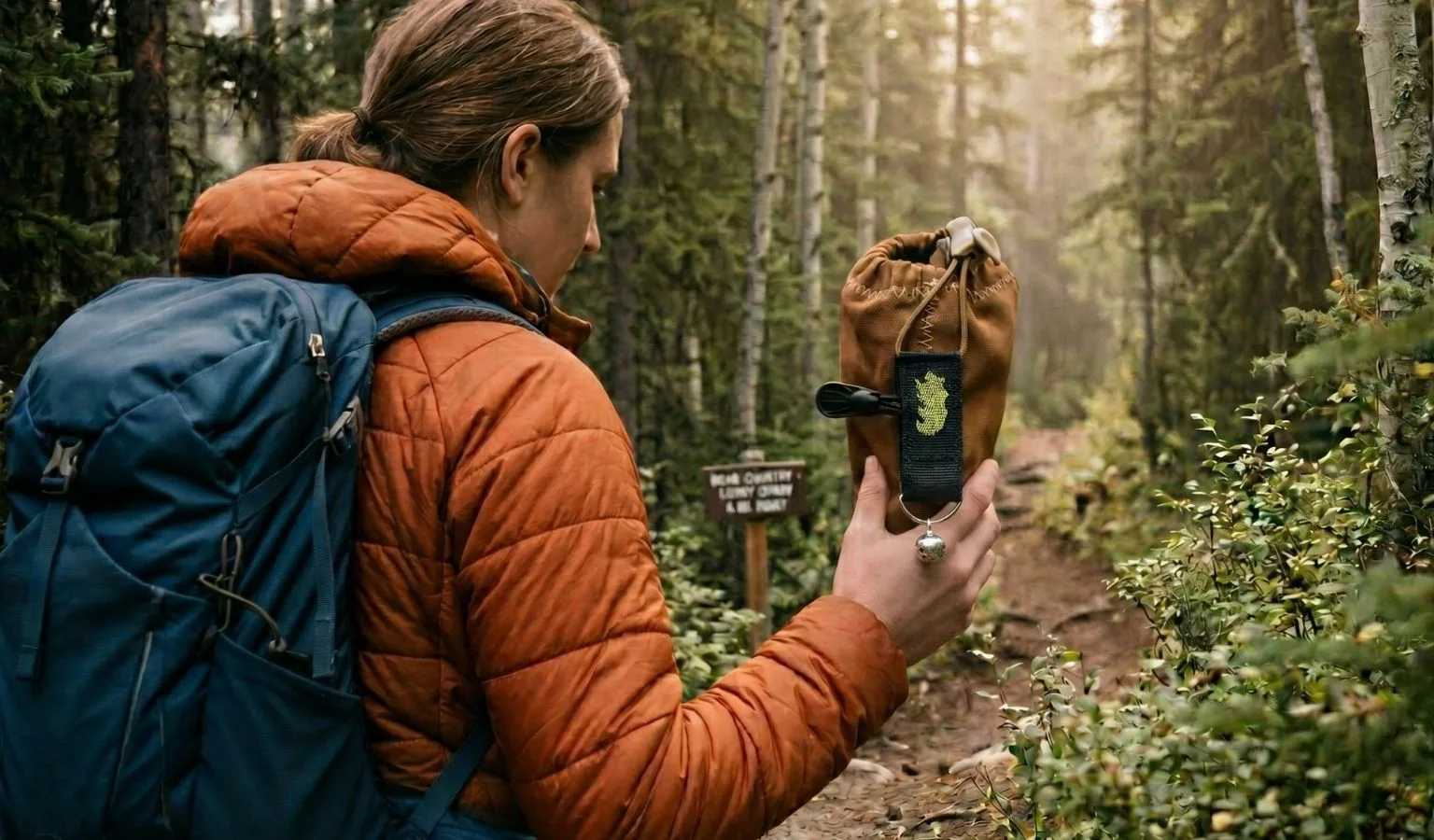
We’ve all seen them: those little silver or brass bells clipped to backpacks that make hikers sound like a lost Reindeer. Before you strap one on for your next trek, here are some cold, hard facts about their effectiveness.
- Alerting vs. Deterring: Bear bells are designed to alert a bear to your presence so you don’t surprise them. They are not a deterrent. A bear that knows you’re there might still be curious, annoyed, or protective.
- The “Dinner Bell” Myth: While there’s no scientific evidence that bears associate bells with food, some experts suggest that the high-pitched, rhythmic tinkling doesn’t sound “human” enough. A bear might actually investigate the weird noise out of curiosity.
- Wind and Water: In the wild, bells are surprisingly quiet. Research has shown that the sound of a small bear bell often carries less distance than a human voice, especially near rushing water or in heavy wind.
- The “False Charge” Context: In the Mt. Wilson incident, the bear likely felt cornered or annoyed by the constant noise. A false charge is a bluff—a high-speed “get out of my room” move—meant to scare you away without the bear having to commit to a fight.
Better Ways to Say “Hey Bear!”
If you want to stay safe, skip the jingles and try these more effective methods:
| Method | Why it Works |
| Your Voice | Human speech is a distinct sound that bears recognize as “trouble.” Talk, sing, or shout “Hey Bear!” periodically. |
| Clapping | A sharp, loud clap breaks through the ambient noise of the forest better than a tiny bell. |
| Group Hiking | More people equals more noise and a larger visual footprint, which is the ultimate bear repellent. |
| Bear Spray | The Gold Standard for some. If a false charge turns into a real one, this is usually a tool that actually stops an encounter. |
| A Firearm | It is always good to have a firearm on you for self defense, but just make sure you know how to use it and when to use it. |
Tip: If you see a bear charging, do not run. Running triggers their predatory instinct to chase. Stand your ground, look big, and keep talking in a calm, firm voice—even if your heart is doing 180 BPM.
Bear bells might make you feel like you’re doing something, but on a busy trail, your best bet is staying alert, keeping your distance, and maybe leaving the sleigh bells for the holidays.
Stay safe out there, and keep the “jingle” to a minimum!
Montana's outdoor week, in your inbox at 7am Friday.