
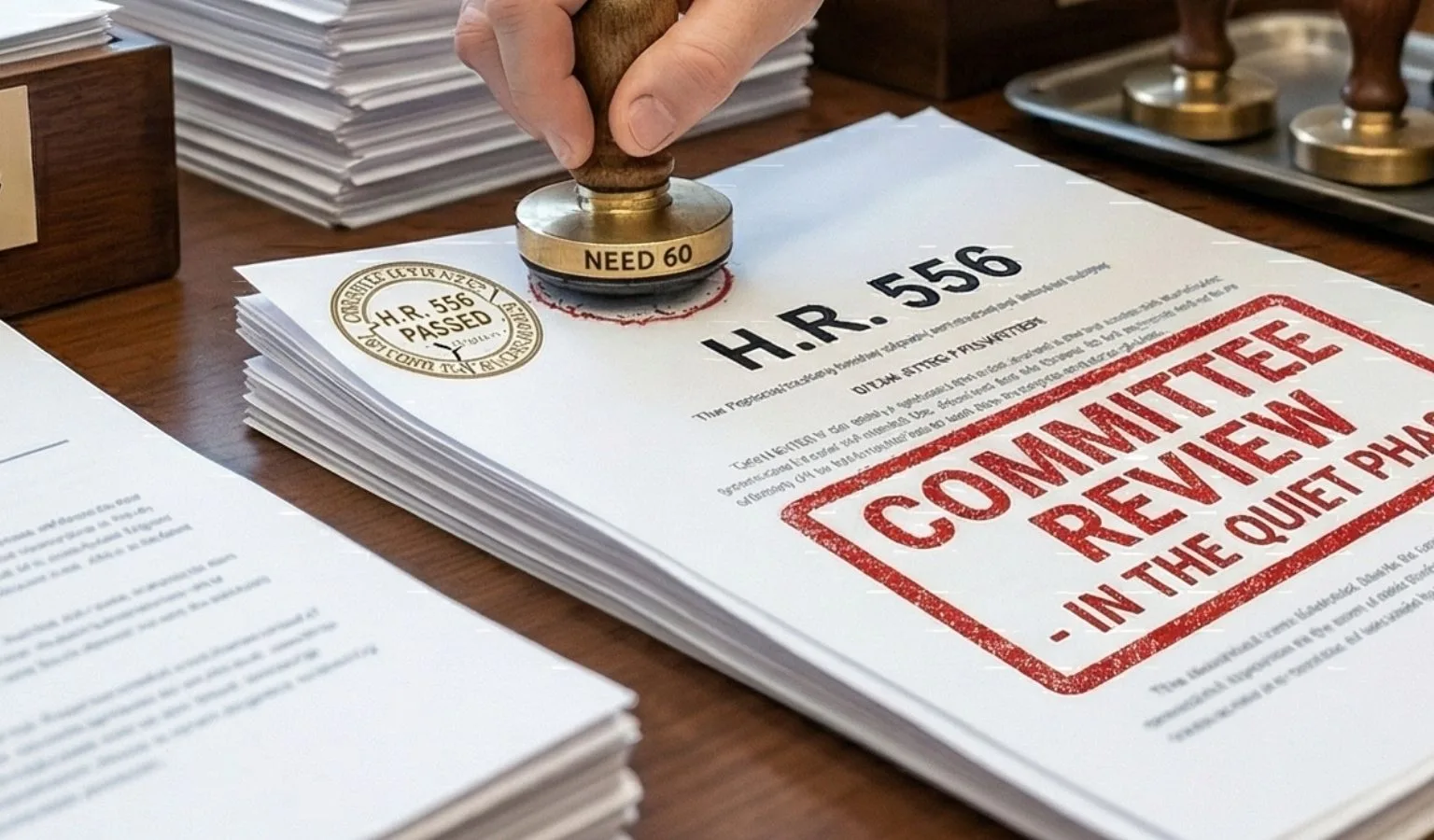
If you’ve been worried that your favorite lures or lucky buckshot were headed for the “extinct” list, the U.S. House of Representatives just gave you some breathing room. On March 18, lawmakers passed H.R. 556, titled the Protecting Access for Hunters and Anglers Act.
It basically statest hat Uncle Sam can’t just yank lead weights and traditional ammo off the shelves of federal lands on a whim.
The “Show Your Work” Policy
Introduced by Vice Chairman Rob Wittman (R-Va.), the bill essentially puts a padlock on federal overreach. If the Secretaries of the Interior or Agriculture want to ban lead, they can’t just rely on vibes or broad generalizations. Under this new legislation, a ban is only allowed if:
-
It’s backed by local data: They need site-specific, population-level science proving there’s an actual problem in that specific spot.
-
The states agree: The feds have to play nice with state wildlife agencies and follow local laws.
-
No “backdoor” bans: Agencies are prohibited from regulating the actual lead content of gear to bypass the rules.
Why the Noise?
For many in the outdoor community, switching to non-lead alternatives isn’t just a hassle—it’s an expensive hurdle that keeps people off the water and out of the woods.
“Hunters and anglers shouldn’t have to worry about red tape while enjoying the great outdoors,” noted Chairman Bruce Westerman (R-Ark.). He argues that keeping access easy actually helps the environment, since those license fees and equipment taxes are the primary engines for conservation funding.
The Bigger Picture
This move doubles down on a trend of protecting traditional sporting gear, following the trail blazed by Interior Secretary Doug Burgum’s previous orders. For Vice Chairman Wittman—a guy who actually spends his weekends with a rod and reel—it’s about preventing “executive overreach” and ensuring that “sound science” is the only thing calling the shots.
What’s next? The bill is in the Senate. For now, your tackle box is safe from a federal makeover.
What Happens Now?
The Senate doesn’t usually move with the same speed as the House, so here is what to look for next:
-
Committee Review: The bill is now in “the hopper” for the Environment and Public Works committee. They will decide whether to hold hearings on it or mark it up (edit it) before sending it to the full Senate floor.
-
The Schedule: There is no specific date set for a final vote yet. Senate leadership controls the calendar, so it will wait in line behind other high-priority legislation.
-
The Odds: Since the bill passed the House with a relatively narrow margin (215-202), it may face a tougher climb in the Senate, where it will likely need to clear a 60-vote filibuster threshold to reach the President’s desk.
In short, it’s officially “in” the Senate, but it’s currently in the quiet phase where committees do the heavy lifting behind the scenes.