Bozeman, Mont. – August 21, 2026 – Harmful algal blooms (HABs) persist on different areas of Hebgen Reservoir. Currently, the toxin levels at Corey Springs area have increased, and that area is now closed for water-based activities because toxin levels are high. Closure signs will be posted at public access points in the Corey Springs area warning the public that toxic algae has been identified in the water, and that the area is closed to water-based activities.
The Rainbow Point shoreline also remains closed due to high toxin levels during regular sampling. The Yellowstone Holiday area toxins have dissipated, and it has been downgraded to a warning. Caution is still strongly encouraged wherever toxic algae is present.
When in doubt, stay out! You can’t tell for sure if an algal or cyanobacterial bloom is harmful just by looking at it. Protect yourself, your family, and your pets by not swimming in bodies of water that smell bad or look discolored. Children and pets are more likely to ingest HAB infested water because they spend most of their time wading in the shallow waters where algae can accumulate and they have less control over how much water they ingest.
HABs are caused by blue-green algae that are native to Montana’s freshwater lakes and reservoirs. Not all varieties of blue-green algae are harmful, but some can produce dangerous toxins. Ingestion or prolonged contact with the algal bloom may result in illness, with impacts such as muscle twitching, staggering, convulsions, paralysis, and death.
Toxin exposure can occur in humans from recreational activities where water might be ingested such as swimming, wind surfing, jet skiing, and water skiing. Animals and livestock that drink large amounts of contaminated water, and pets that collect scum on their fur and then ingest it by licking, are at high risk of toxin exposure.
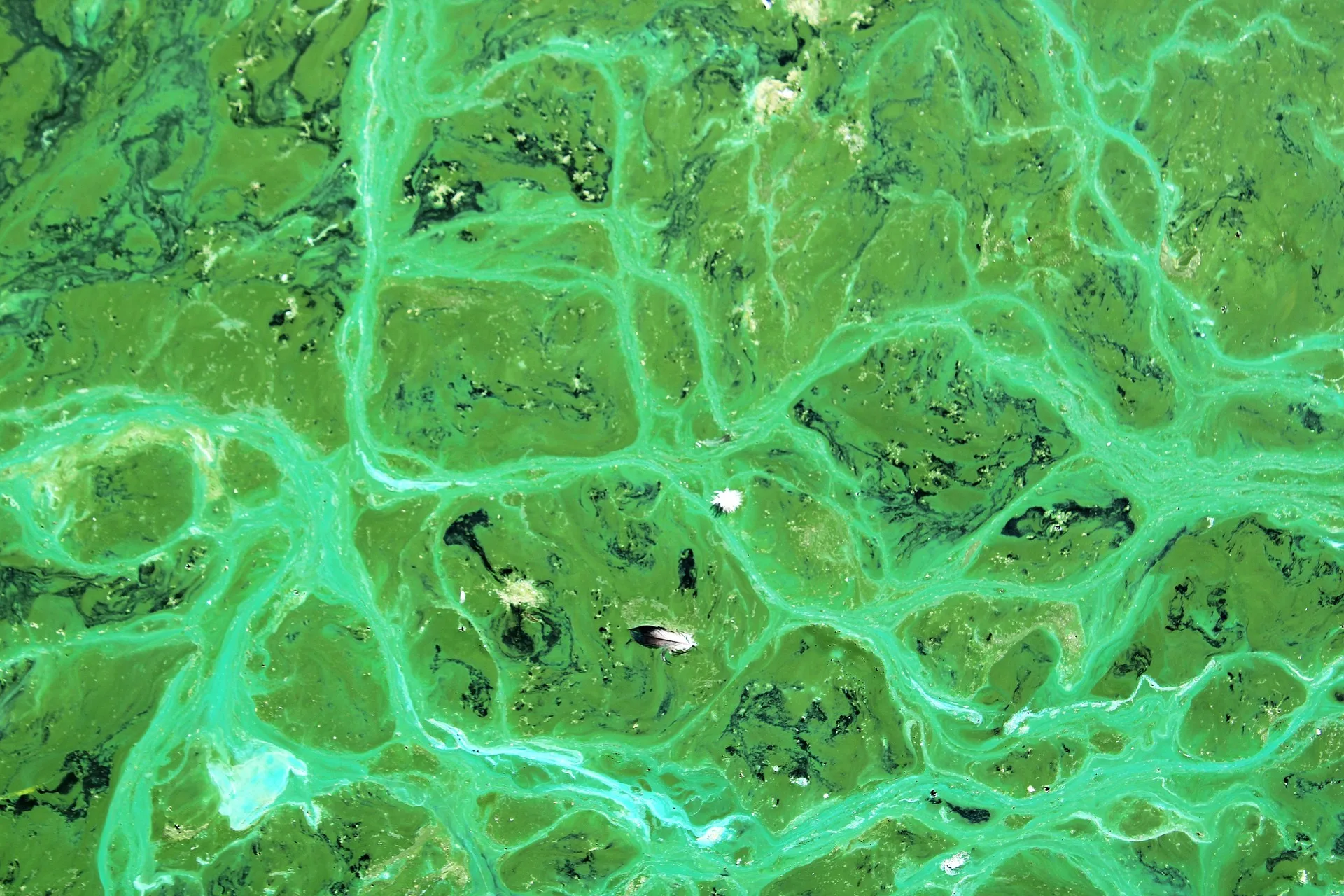
Blue-green algal blooms often look like pea soup, grass clippings or green latex paint. The algae are usually suspended in the water or appear as floating mats.
NorthWestern Energy is monitoring these blooms and will provide updates if additional restrictions are implemented for public safety.
Suspect a HAB? When in doubt, stay out. Do not drink, swallow, or swim in water that shows signs of a HAB and be sure to keep kids, pets, and livestock out too. If you suspect a HAB- related illness in a person or animal call Poison Control 1-800-222-1222 and seek medical attention.
Report a suspected HAB at www.hab.mt.gov or call 1-888-849-2938. You may also report a suspected HAB by calling the Gallatin City-County Health Department Environmental Health at406-582-3120. The Gallatin City-County Health Department has resources for water quality on their website, www.healthygallatin.org.
photo: pixabay
Montana's outdoor week, in your inbox at 7am Friday.