
BRETT FRENCH | bfrench@billingsgazette.com
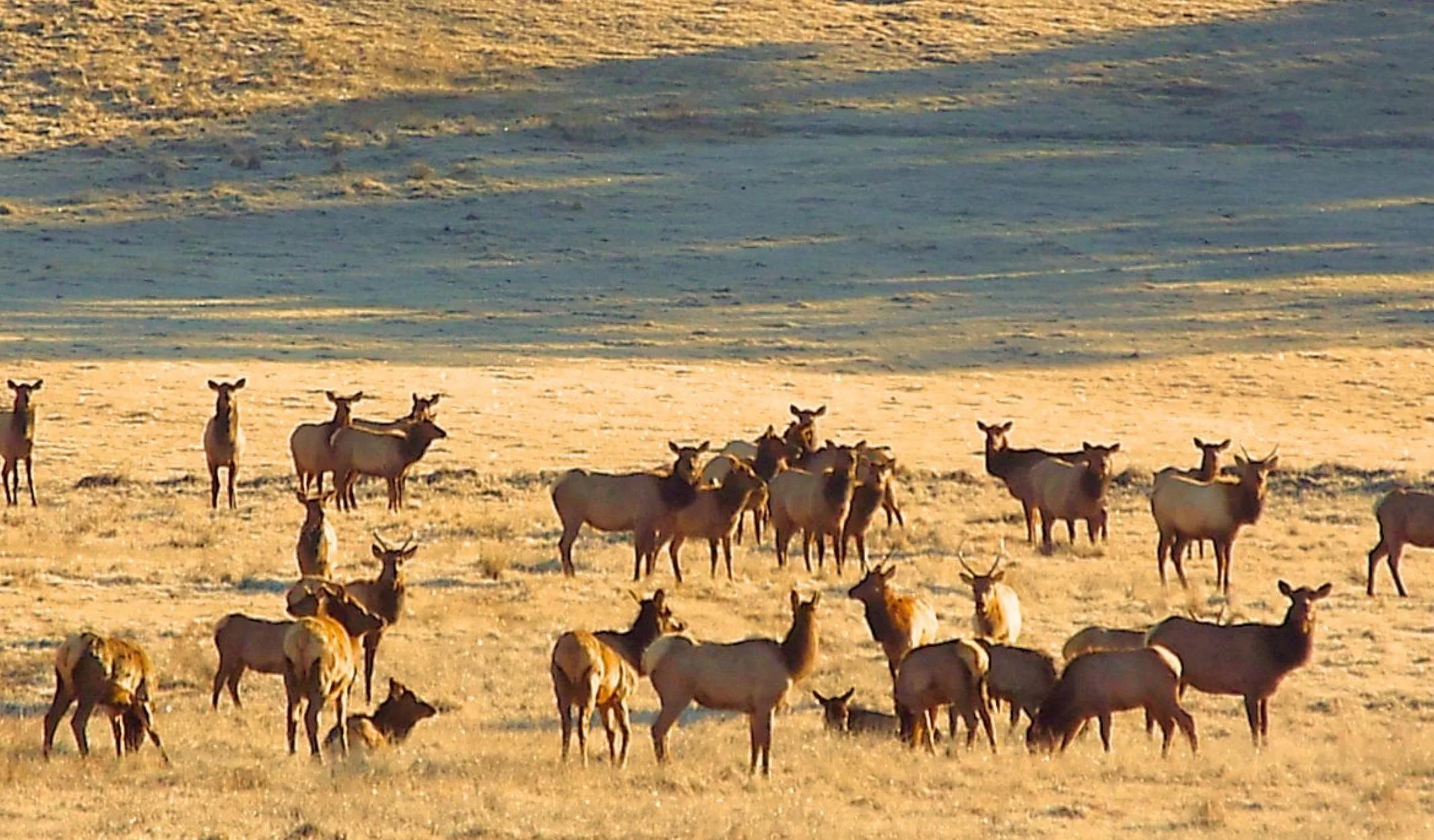
Changes proposed for elk hunting in Eastern Montana reflect how weather, habitat and hunter access plays such a dominant role in wildlife populations.
South of Malta, three hunting districts in Fish, Wildlife & Parks’ Region 6 — HD 620, 621 and 622 — have seen elk populations tumble from an estimated 2,100 in 2020 to 700 in 2026.
The decrease is blamed on several years of drought combined with a harsh winter and hunter harvest exceeding reproduction rates. All three hunting districts have large blocks of public lands that make hunter access easier.
Meanwhile, just south of the Missouri River and these three districts, elk populations are too high for private landowners. In HD 417 elk are hovering between 2,000 and 2,500 animals where heavy pressure on public lands has pushed elk onto large ranches, concentrating the animals where they are least vulnerable.
FWP’s wildlife managers are proposing changes in the four hunting districts that will be considered by the Fish and Wildlife Commission at its Dec. 10 meeting in Helena.
Elk populations drop
HD 621, located just south of the Fort Belknap Indian Reservation, has seen the largest decline in elk numbers in northeastern Montana’s Region 6, falling from 776 in 2020 to 105 in 2026, based on FWP’s aerial surveys.
The population is the lowest it’s been in a decade. The state’s Elk Management Plan suggests the hunting district can support between 1,600 to 2,400 elk. These suggestions are based as much on landowner tolerance as they are on available habitat.
To remedy the situation, FWP is proposing that either-sex permits and antlerless B licenses be slashed in HDs 620, 621 and 622 since previous cuts haven’t had the desired effect.
HD 620 would see the largest decrease, a suggested reduction from 1,000 to 400 archery permits, as well as a loss of 40 rifle permits. Rifle permits would also be cut in half in HDs 621 and 622 and the quota for antlerless B licenses would be reduced.
Elk crowd private land
In HD 417, located north of Roy and east of Winifred, FWP wildlife managers are faced with the opposite situation — too many elk on private lands prompting rancher reports of damage.
In 2004, about 770 elk were counted in the hunting district. Twenty years later that number had climbed to more than 2,000, hitting a high of 2,500 in 2022.
The population is within the Elk Management Plan’s objective of between 1,500 to 2,500 animals, but the plan also stresses minimizing elk use of private lands where tolerance is low.
Hunter pressure has increased in the northern portion of the district, which has more publicly accessible land but fewer elk, FWP biologist Sonja Andersen wrote in her proposal.
Attempts to increase cow elk harvest have failed to boost hunter success. So while elk numbers have climbed steeply, a graph shows hunter success remains flat.
“Hunting access is not ubiquitous across HD 417,” Andersen wrote. “While there are a few Block Management Areas (BMAs) and some landowners allow public hunting access, access is still extremely limited given the number of elk and amount of elk habitat in this HD.”
FWP’s dilemma
Andersen outlined the difficulties FWP faces in such situations.
“A lack of access fundamentally inhibits FWP’s ability to manage elk populations, and FWP continually tries to work with area landowners to improve hunter access and elk harvest,” she wrote. “Antlerless elk management is further complicated by bull management in this HD; HD 417 is a Special Management District (SMD) for bull elk per the 2023 (Elk Management Plan). The demand for limited-entry (LE) rifle and archery permits is high, and competition on public lands and for access to private lands among various hunters (either-sex elk, antlerless elk, deer, upland bird, etc.) further confounds elk management in this and other central MT elk HDs.”
In an attempt to address the situation, Andersen has proposed making elk B licenses valid on private land only in the northern portion of the district while adding a late shoulder season hunt for cow elk.
In addition, the entire district’s private lands would be open to an early cow elk hunt from Aug. 15 to Sept. 4 before the archery season opens.
Billings resident Rich Bradley was the only person to offer a comment on the proposal. He wrote in an email to the department that cow elk tags should be limited to private lands enrolled in the Block Management Program, which allow public access.
“The wealthy private land owners and outfitters are hoarding the public’s elk,” he wrote.
Photo credit: Angela Maxwell
Montana's outdoor week, in your inbox at 7am Friday.