
Below-average deer harvest and hunter participation for the general season in south-central Montana
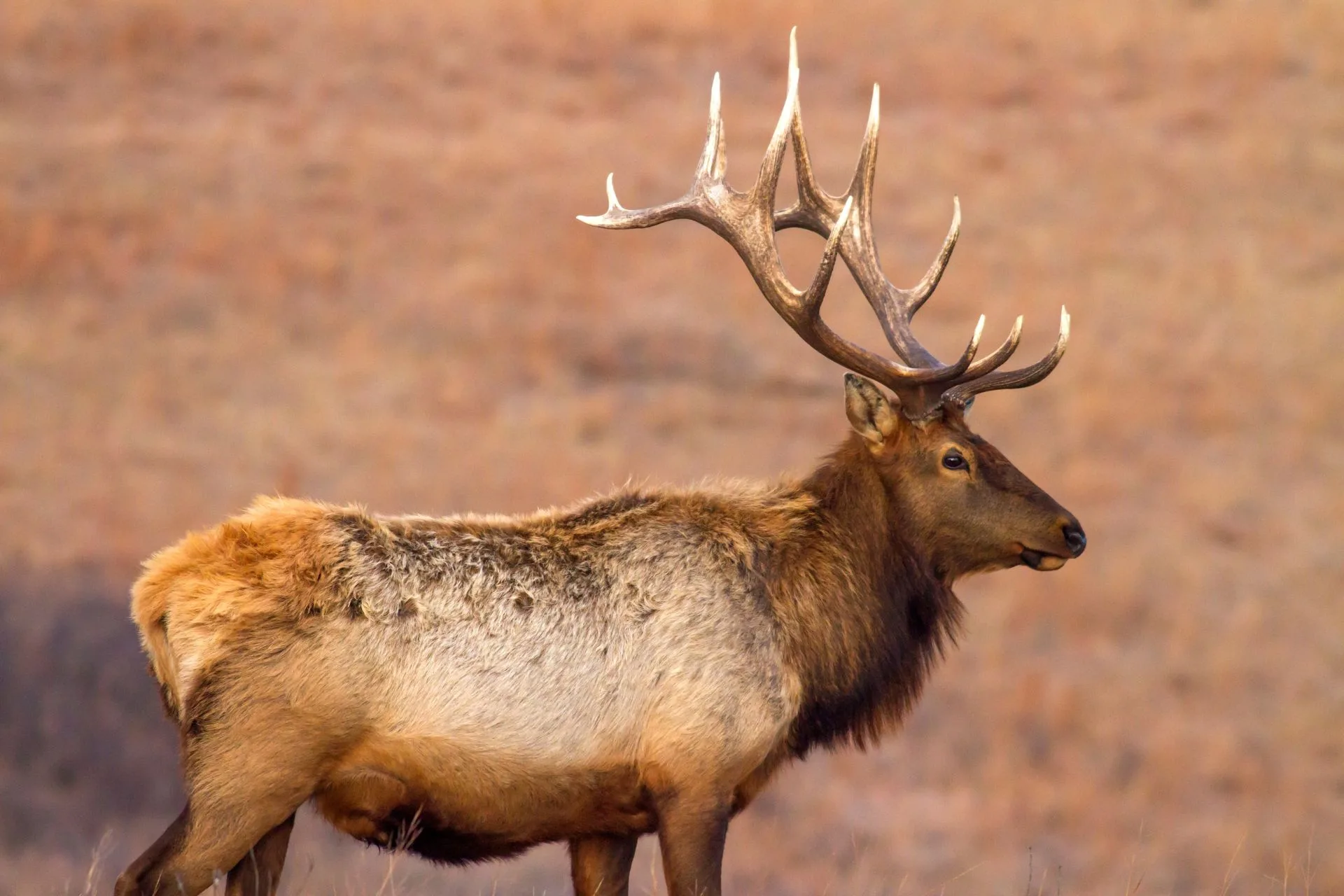
Elk harvest strong throughout region
Montana’s last weekend of big-game season decided to go full winter mode—snow, cold, the works. Hunters had mixed luck, but one thing stayed consistent: elk harvests kept pace with long-term averages while deer took a breather this year. Over 4,200 hunters visited check stations, hauling in a solid mix of critters. CWD sampling’s still open at Region 5 if you want your deer, elk, or moose checked. And if you’re not done chasing tags, muzzleloader heritage season kicks off Dec. 13. A few BMAs are still open, too—just make sure you know the rules before stepping out.
Here’s the full final checkstation report:
BILLINGS – After weeks of unseasonable warmth in south-central Montana, hunters were met with cold temperatures throughout the region and areas of heavy snow for the final weekend of the general big game hunting season. Hunter participation and success were mixed across the region for the sixth and final weekend of the season. For the season, harvest for both species of deer was below-average across the region, while elk harvest was near or above long-term averages.
Biological game check stations operated on both Saturday, Nov. 29, and Sunday, Nov. 30, in Big Timber, Columbus, Lavina and Billings. The Billings check station experienced some data loss over the weekend, so numbers reported here do not reflect all hunters and harvested animals that came through this check station.
Throughout the season, a total of 4,203 hunters visited the 4 check stations in the region with 487 total harvested mule deer, 384 white-tailed deer, 284 elk and 58 antelope. The general antelope season closed Nov. 9. Season totals for mule deer, elk and antelope were all above totals observed in 2024; total white-tailed deer harvest this year was slightly below the total from 2024.
Chronic Wasting Disease
Chronic Wasting Disease (CWD) is a 100 percent fatal disease that infects members of the deer family, including both species of deer, elk and moose. Although testing harvested animals for CWD is voluntary in most places in Montana, hunting is the primary tool for monitoring and managing the spread of CWD and hunters are critical to conservation efforts across the state.
Many CWD sampling stations have now closed for the season. In south-central Montana, hunters can still get their harvested deer, elk and moose sampled at the Region 5 office in Billings (2300 Lake Elmo Dr.), Monday to Friday from 8 a.m. to 5 p.m., until Feb. 13, 2026. Animals must be thawed for CWD sampling. Hunters can also submit their own samples.
As of Nov. 21, 758 CWD samples have been collected from white-tailed deer, mule deer and elk in Region 5. Of these, 12 white-tailed deer and 7 mule deer have tested positive for CWD. Across the state, 8,290 CWD samples have been collected from white-tailed and mule deer, elk and moose. Of these, 178 white-tailed deer, 152 mule deer and 2 elk have tested positive.
Muzzleloader Heritage Season opens Dec. 13
Muzzleloader heritage season opens on Saturday, Dec. 13, and runs through Sunday, Dec. 21. This season is for heritage muzzleloaders only; no other means of taking game, such as archery, is allowed. Note that some areas have elk shoulder seasons through Feb. 15, 2026, where firearms and archery equipment may be allowed.
Hunters should check the hunting regulations to make sure they are compliant with all rules and regulations for this season. To watch a video about the rules of muzzleloader heritage season, click here.
Some Block Management Areas remain open for hunting beyond the general big game season. Make sure to check individual BMA rules for the current season before you hunt. Find Block Management Program information here.
Big Timber Check Station
Hunter participation for the final weekend of the season was consistent with last year but below long-term average for the Big Timber check station. Cumulatively for the season, 815 hunters visited the Big Timber check station, which is the second lowest cumulative hunter number since 2003.
Harvest rates for both deer species and elk for the weekend were higher than last year, with 29 white-tailed deer, 25 mule deer and 16 elk checked. This was below average for deer and slightly above average for elk.
Cumulative harvests throughout the season for white-tailed deer, mule deer and antelope were all below long-term averages, while elk cumulative harvest was above average.
Hunter success rate was highest at the Big Timber check station throughout the season. This check station also had the highest number of both deer species and antelope harvested throughout the season.
Columbus Check Station
For the weekend, hunter numbers at the Columbus check station were higher than they have been since 2018. This was also the only station in the region to see a higher total number of hunters for the season compared to 2024.
Harvests for all species was higher this year compared to last year. However, totals for both deer species and antelope were all below long-term averages. Elk harvest for the season was nearly double the long-term average.
Lavina Check Station
The Lavina check station remained the busiest in the region throughout the season. However, hunter numbers both for the weekend and the season at this check station were below last year and the long-term averages. Over the final weekend of the season, 16 white-tailed deer, 15 mule deer and 33 elk were checked, which was significantly less than the long-term average for both deer species for the weekend.
Cumulative harvest of all species for the entire season was also below average. Throughout the season, 97 elk were checked at Lavina, which was the highest in the region.
Billings Check Station
The Billings check station experienced some data loss over the weekend, so numbers here are lower than what was observed. Cumulative antelope harvest for the season was higher than the long-term average, while harvests for both deer species were below average.
Despite the data loss, cumulative elk harvest for the season was near the long-term average. Some hunters reported returning home from the field earlier than expected due to hazardous road conditions in the area.
-fwp-
Feature photo by CarbonBrain from Getty Images
Montana's outdoor week, in your inbox at 7am Friday.