
If you want your hunt to go smoothly, prepping the gear you trust is a must. A deer hunting checklist takes out the guesswork and keeps you from repeating mistakes all season. Sorting out the details ahead of time keeps you safe and makes it way less of a mess.
Licenses, Tags, and Documentation
Always have your hunting license, tags, and any extra permits right on you in a waterproof case. Rules change depending on where, when, and with what you’re hunting, so double-check the latest before every trip. If you mess up tagging or reporting, you could lose your chance to hunt at all – no point risking that.
Getting onto land is half the game: keep any written permission for private spots, and carry paper maps for public ground that show boundaries and no-go areas. Digital maps are handy, but batteries hate the cold. A paper map never lets you down when it’s freezing, and you need a quick look.
Primary Weapon and Ammunition
Sight-in your gun or bow before opening day, and double-check it whenever you bump your gear or adjust the sights. Make sure you shoot from hunting positions – kneeling, sitting – not just the bench. The more familiar you are with the trigger and sights, the more prepared you are.
Pick ammo or broadheads that fit the terrain you’re hunting and the ranges you expect. Carry extra rounds or arrows in a quiet container that keeps them dry and clean. If you’re bowhunting, spin every arrow, check the fletching, and make sure your broadheads are lined up right. Even a small defect can mess everything up.
Optics and Field Observation
First, good night vision binoculars aren’t optional if you’re night hunting. Keep optics in a chest harness so they’re always right where you need them and aren’t swinging all over on the walk-in. Glassing patiently shows trails and clues you’d never pick up just scanning with your eyes.
Use the rangefinder on nearby trees or rocks before you see any deer, so you already know your distances. When you’ve pre-ranged your stand, you can judge shots fast without moving around when it counts.
Clothing for Weather and Concealment
Dress in layers so you can stay dry and warm without overheating. Go for synthetic or wool next to your skin – cotton just gets soggy and chills you to the bone if you sit long. Mid-layers add warmth, and your outer shell should cut wind and block light rain.
Camouflage should actually match what’s around you – vegetation and season. If it’s firearm season, make sure blaze orange is visible from all directions (that’s the rule in most places).
Boots should be appropriate, too: heavy insulation for sitting, lighter pairs if you’re hiking a lot. Always pack an extra pair of socks in something waterproof – dry feet make everything easier, from sitting focused to hiking out.
Navigation and Communication
Bring your GPS or mapping app, but never hit the woods without a compass and a printed map with topography. Tech fails a lot faster than you’d think once you’re off-grid or temperatures drop. Knowing how to use a map and a compass keeps you from getting turned around after dark.
Keep your phone fully charged and in a case. Radios come in handy with low cell service, especially when hunting with partners. Before you head out, tell someone exactly where you’ll be – entry, stand spot, and when you plan to return. If you run into trouble, this cuts down the time it takes for someone to find you.
Scent and Wind Management
Check wind direction constantly. Air currents shift with terrain, especially near creek bottoms and ridgelines. Plan your entry and walk-out to keep your scent away from bedding cover and primary trails.
Stash your hunting clothes in a scent-proof container, and throw them near your stand. Avoid brushing against stuff on the hike in, since leaves and branches snag scent. Scent spray can help your boots and pack, but nothing beats staying downwind.
Field Dressing and Game Recovery
Bring a sharp fixed-blade knife, plus a backup, because nothing slows you down like a dull blade. Gloves are smart to keep your hands clean and keep your scent off the meat while field dressing.
Have game bags ready for warm days so dirt and insects stay off your quarters. Paracord works for dragging, hanging, or tying off legs. Mark tough blood trails with biodegradable tape if it gets dark. Headlamp (and spare batteries) frees up your hands when you’re working after sunset.
Field Dressing Kit
| Item | Purpose |
| Primary knife | Skinning and quartering |
| Backup blade | Redundant cutting tool |
| Gloves | Clean handling of meat |
| Game bags | Protection during transport |
| Paracord | Dragging or hanging |
| Flagging tape | Blood trail marking |
| Headlamp | Hands-free lighting |
Pack Essentials for Long Sits
Don’t skimp on water (even when it’s cold). Dehydration makes it hard to focus. Bring filling snacks that won’t stink up your spot; keep packaging quiet. Little things, like silent wrappers, mean you don’t have to move around at the wrong time.
An insulated seat pad makes long sits easier and keeps you wiggling less. Toss in hand warmers for the winter season. Include basic first aid and a mini kit for fixing broken straps or buckles.
Safety Equipment and Emergency Gear
If you’re hunting from a tree stand, always put on a full-body harness and connect before you ever climb up or down. Most falls happen getting in and out, not while sitting still. Use a lifeline and lineman’s belt when moving.
Carry something to start a fire and an emergency blanket. Sudden storms or getting lost can happen fast. A whistle provides a loud signal and cuts through the noise when you need help.
Final Thoughts
A checklist is needed to turn preparation into a routine so you can hunt safe and smart. Every item you tick off is there for a reason, whether it’s keeping you legal, finding your way out, or taking a good shot. If you’re dialed in, you spend less time scrambling and more time catching wind shifts and reading signs.
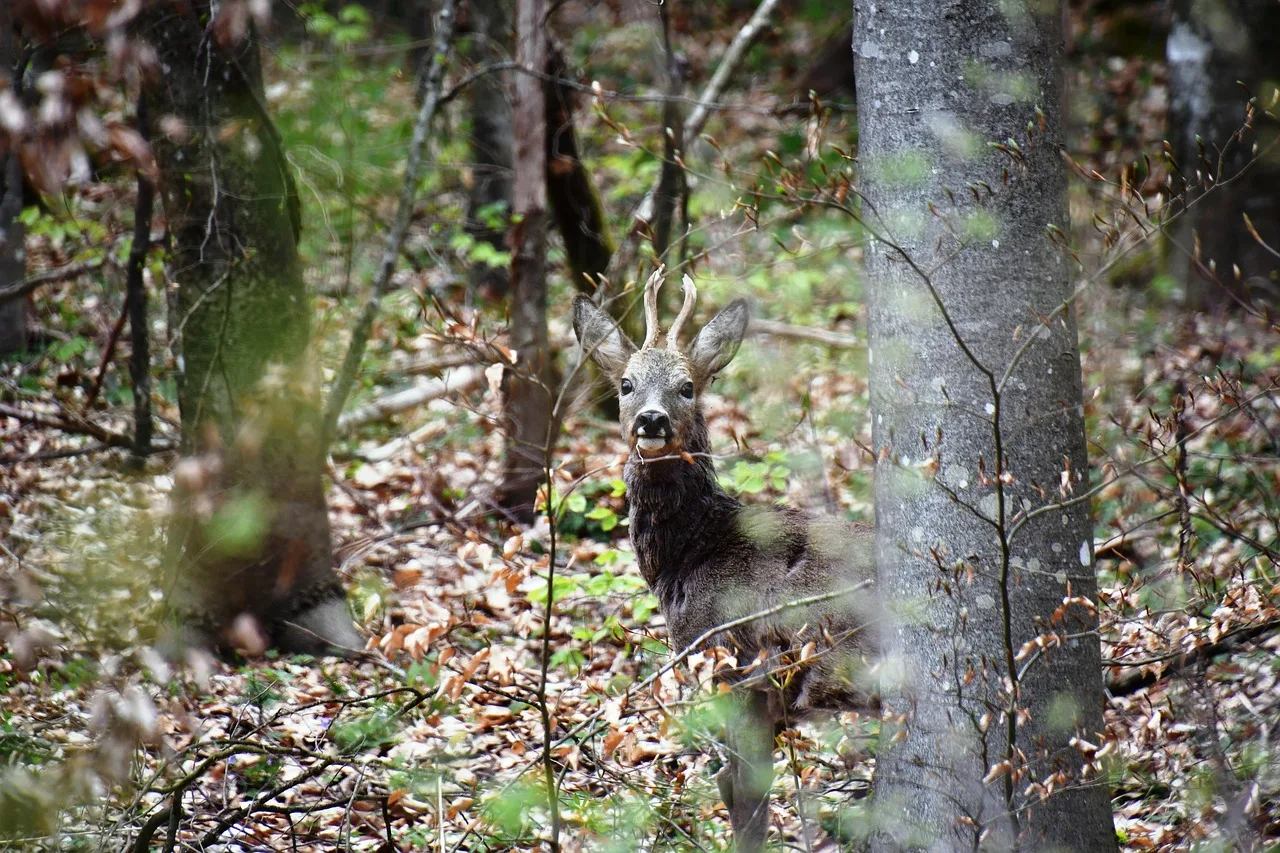
Image by Eric Felber from Pixabay
Montana's outdoor week, in your inbox at 7am Friday.