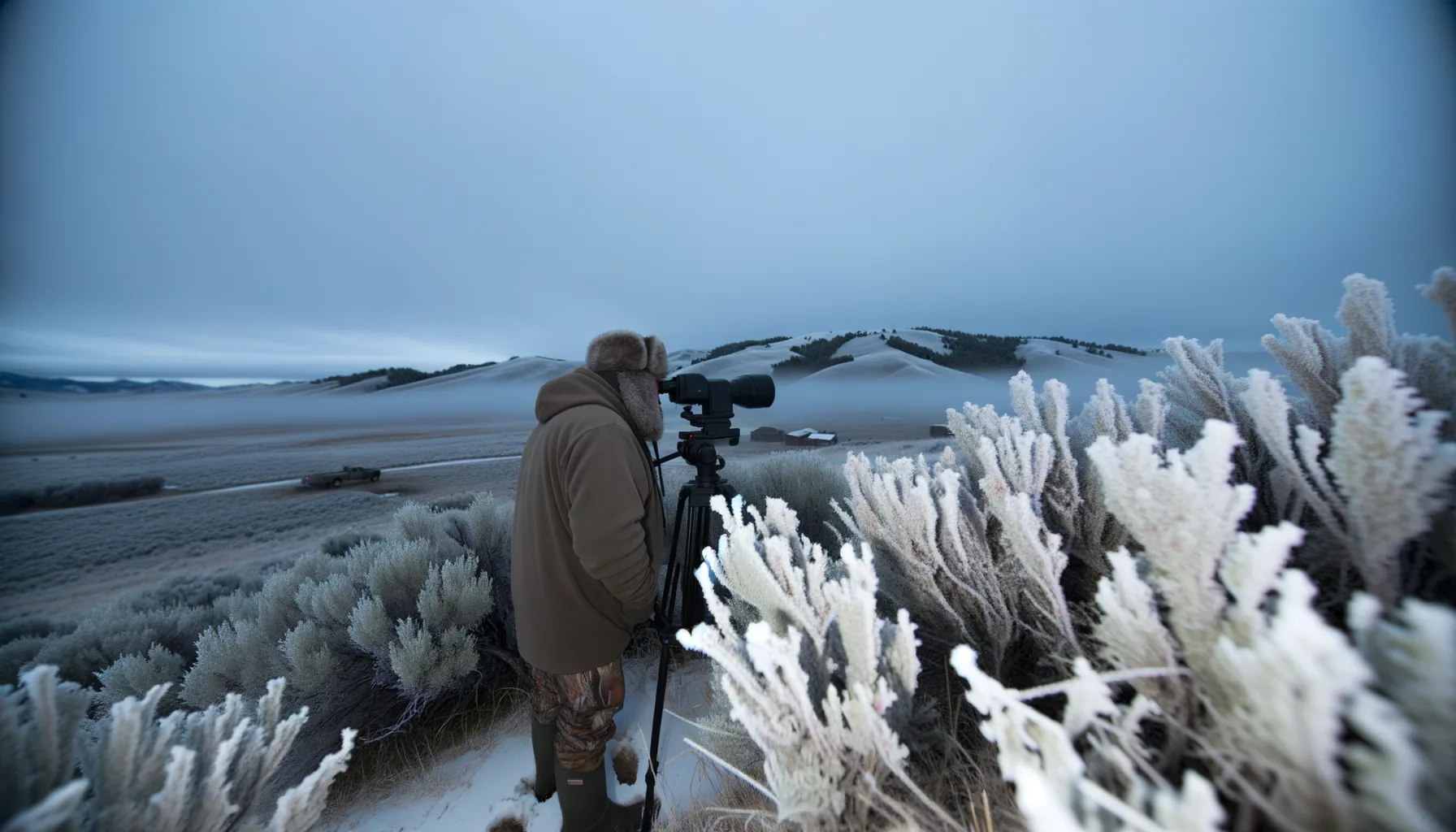
March in Montana means the calendar is starting to stack up fast. Spring bear season is either open or knocking on the door depending on your district. Turkey hunters are running scouting routes through the Bitterroot and the Judith Basin. Shed hunters are already hiking drainages from the Beartooths to the Breaks. And the first serious fishing trips of the year — trout in the Yellowstone, walleye on Fort Peck — are getting penciled into schedules. That’s a lot of moving parts, and right now is exactly when a missed closure or updated restriction can turn a productive weekend into a costly violation. Here’s what you need to have straight before you head out.
Spring Bear Season: District Access Is the Variable
Montana’s spring black bear season is structured around hunting districts, and not all of them open at the same time or under the same conditions. In northwestern Montana — think the Cabinet Mountains, the Swan Valley corridor, and the drainages feeding into Flathead Lake — some units carry grizzly bear coexistence protocols that affect how and where you can pursue black bears. If you’re hunting anywhere in or adjacent to grizzly recovery zones, you need to confirm current FWP district-specific restrictions before you go. That means calling your regional FWP office in Kalispell or Missoula directly, not just checking last year’s regulation booklet.
Additionally, some Forest Service roads that provide access to prime spring bear country in the Bob Marshall Wilderness complex and the Whitefish Range remain seasonally closed into late March and early April due to mud season and wildlife security buffers. A legal FWP hunting district boundary doesn’t automatically mean the access road is open. Check both the FWP restriction list and the relevant Forest Service travel plan for the specific ranger district before you load the truck.
Shed Hunting Closures: These Are Strictly Enforced
This one catches people every single year. Montana doesn’t have a statewide shed antler season with a hard open date the way Wyoming does — but that doesn’t mean you can walk anywhere, anytime. Several key areas maintain winter range closures that run through April 30, and they overlap directly with the most productive shed country in the state.
- Sun River Wildlife Management Area near Augusta — seasonal closure in effect, protecting elk on critical winter range
- National Bison Range (returned to the Confederated Salish and Kootenai Tribes under a 2020 agreement and managed by CSKT — verify current public access rules directly with CSKT or FWS before visiting) — restricted public access, no shed hunting without specific authorization
- Various BLM winter range closures in the Missouri Breaks — check current maps through the Lewistown BLM field office before hiking antelope and mule deer winter ground
- Confederated Salish and Kootenai Tribal lands — tribal permit required, and non-tribal members face strict enforcement on reservation boundaries
The practical advice here: pull up the FWP Interactive Map tool at fwp.mt.gov and cross-reference it with the specific WMA or public land parcel you’re targeting. Five minutes of homework keeps your shed season from ending with a citation.
Early Fishing: Watch the Tributary Closures
The Yellowstone River mainstem is generally fishable and open year-round below Gardiner, but a handful of critical spawning tributaries have seasonal closures that protect early-run cutthroat trout. Spring Creek systems and smaller feeder creeks — particularly those in the Paradise Valley — can carry closure orders that extend into late spring. Before fishing any tributary or feeder stream in this drainage, verify its current status in the FWP fishing regulations index by searching the specific water body name, as closure orders and the species concerns behind them can shift year to year. The Gallatin River drainage also has reach-specific closures that shift year to year based on whitefish and trout population monitoring.
On the Hi-Line, walleye anglers heading to Fort Peck Reservoir should confirm the current slot limit and possession rules, which FWP has adjusted in recent seasons to protect the forage base. The Nelson Reservoir near Dodson and the Fresno Reservoir near Havre both fall under updated nongame fish and baitfish regulations that changed with the 2025-2026 cycle.
What To Do Right Now
Don’t rely on word of mouth or last year’s regs. Here’s a simple checklist before any spring outing:
- Visit fwp.mt.gov/regulations and download the current fishing and hunting regulations PDFs for this season
- Check the Current Restrictions and Closures page on the FWP site — it’s updated in real time and separate from the printed regulation booklet
- Call your regional FWP office if you’re hunting or shed picking in grizzly country or near any WMA boundary
- Verify Forest Service road status through the Motor Vehicle Use Maps for the specific ranger district you’re accessing
- If you’re fishing a tributary or smaller drainage, search the specific water body by name in the FWP fishing regulations index
Montana’s landscape is big and the regulations that govern it are detailed for good reason — protecting the wildlife populations that make this state worth hunting and fishing in the first place. The closures and restrictions FWP issues in early spring aren’t bureaucratic noise. They’re protecting wintering elk, spawning trout, and recovering grizzly populations at their most vulnerable point of the year. Knowing the rules isn’t just a legal obligation. Out here, it’s part of what makes you a serious hunter or angler. Get current, get out there, and make it count.
Montana's outdoor week, in your inbox at 7am Friday.