
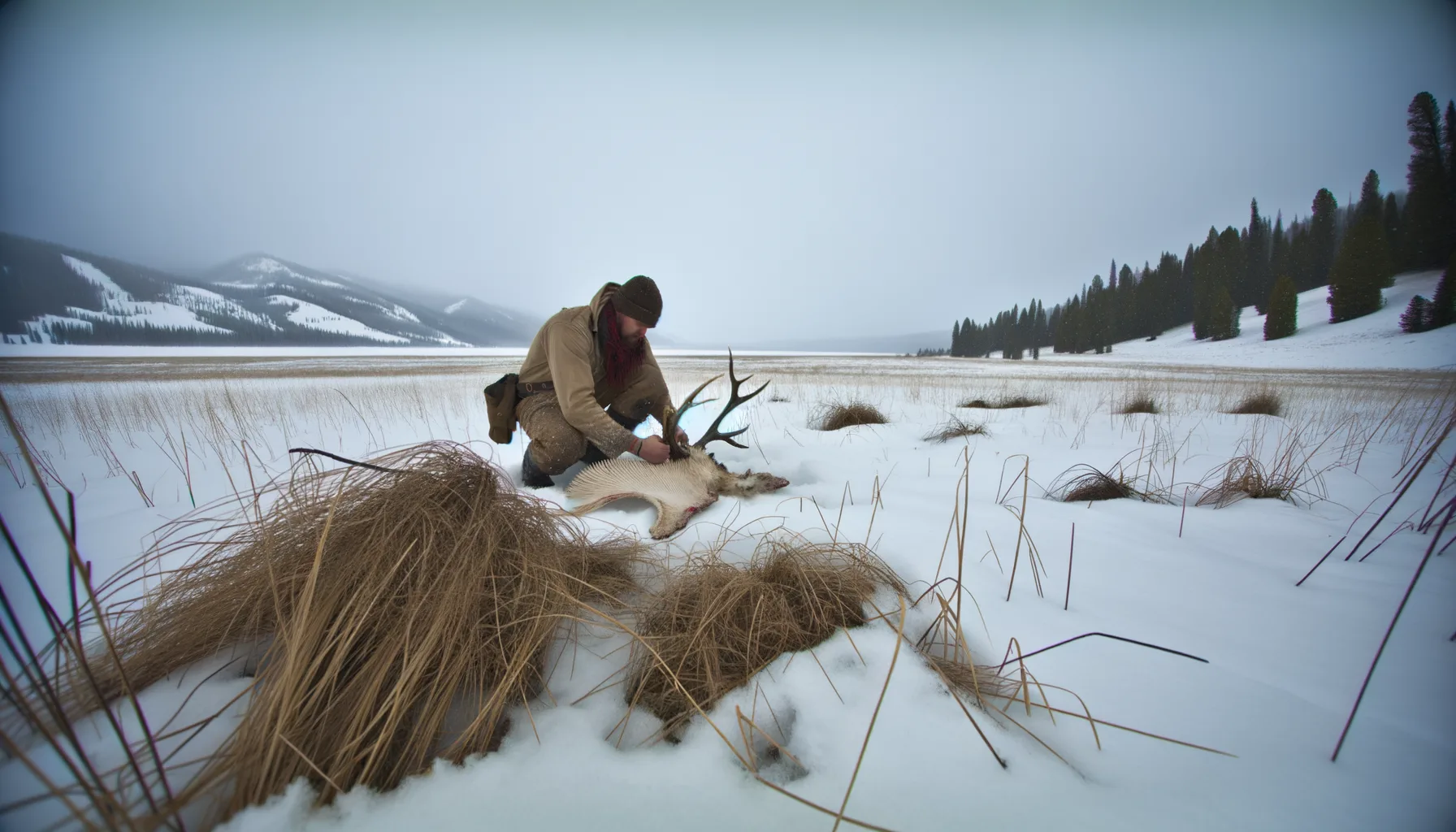
March in Montana means one thing for serious outdoorsmen: shed hunting season is hitting its sweet spot. With bulls and bucks dropping their antlers from late February through early April, right now is prime time to get out there and start your search. After a long winter of pent-up energy, there’s nothing quite like the thrill of spotting that first brown tine poking through the snow.
Whether you’re a seasoned shed hunter or just getting started, success comes down to knowing where to look, when to go, and what to bring. Here are five proven strategies that’ll put more bone in your pack this March shed hunting season across Big Sky Country.
1. Target South-Facing Slopes and Winter Feed Areas
The golden rule of Montana shed hunting is simple: go where the animals spend their time during the harsh winter months. Elk and deer congregate in specific areas when the snow piles up, and that’s exactly where you’ll find their dropped antlers.
Focus your search on south-facing slopes between 4,000-6,500 feet in elevation. These areas catch more sunlight, melt out earlier, and provide crucial browse when everything else is buried under snow. Some of my most productive hunts have been on the hillsides above the Gallatin Valley, around the Bridger Mountains, and throughout the foothills of the Crazy Mountains.
Don’t overlook agricultural areas either. Hay fields, especially those near timber, act as magnets for wintering herds. The edges where fields meet forest cover are particularly productive. I’ve found some of my best elk antlers along fence lines where bulls jumped over while moving between feeding and bedding areas.
Pro Tip: Glass Before You Walk
Before charging up that hillside, take time to glass the area with quality binoculars. Fresh sheds often stand out against the snow and early spring vegetation. This saves your legs and increases your chances of success.
2. Time Your Hunts with Weather Patterns
March weather in Montana can be unpredictable, but smart shed hunters use this to their advantage. The absolute best conditions occur 2-3 days after a warm spell followed by cooler temperatures. Here’s why this pattern works:
Warm weather gets animals moving and active, increasing the chances they’ll drop antlers. The subsequent cool-down slows decomposition and makes sheds easier to spot before vegetation starts growing. Additionally, light snowfall can actually help by providing contrast that makes brown antlers pop visually.
Based on current weather patterns across western Montana, we’re seeing perfect shed hunting conditions this week. Temperatures have been fluctuating between the high 20s and mid-40s – exactly what you want for prime shed hunting conditions.
Avoid hunting during heavy snow or immediately after major storms. Animals will be concentrated in heavy cover, and fresh snow makes finding sheds nearly impossible. Similarly, wait for morning frost to melt before heading out. Wet conditions make walking quieter and sheds more visible.
3. Master the Art of Systematic Searching
Successful shed hunting isn’t about luck – it’s about developing a systematic approach that covers ground efficiently while maintaining focus. The biggest mistake I see new shed hunters make is walking too fast and covering too much ground without really seeing what’s there.
Walk in a slow zigzag pattern, covering strips about 30 yards wide. Keep your head up and scan ahead rather than staring at your feet. Antlers don’t always lie flat on the ground – they can be caught in brush, wedged between rocks, or standing upright after getting stuck in the soil.
Pay special attention to natural funnels and travel corridors. Ridgeline saddles, creek bottoms, and game trails between feeding and bedding areas are all high-percentage spots. In my experience hunting around the Beartooth foothills and the Absaroka Range, some of the best sheds come from these transition zones.
The “Shed Shadow” Technique
Look for the shadow cast by antlers as much as the antlers themselves. On sunny March days, shadows often give away sheds that would otherwise blend into their surroundings. This technique has helped me spot dozens of antlers over the years.
4. Pack the Right Gear for Montana Conditions
March shed hunting in Montana requires gear that can handle rapidly changing conditions. You might start the day in frost and end up hiking in shirtsleeves. Here’s what belongs in your pack:
- Layered clothing system: Base layer, insulating layer, and weatherproof shell
- Quality hiking boots: Waterproof with good ankle support for varied terrain
- 10×42 binoculars: Essential for glassing potential sheds from distance
- Large backpack: You’ll need space for found antlers and shed gear
- GPS device or smartphone app: Mark productive areas and navigate safely
- First aid kit and emergency supplies: Backcountry safety is non-negotiable
- High-energy snacks and water: Shed hunting is more physically demanding than most realize
Consider bringing trekking poles for steep terrain – they’re particularly useful in areas like the Cabinet Mountains or Glacier National Park periphery where elevation changes can be dramatic.
5. Know When and Where Pressure Affects Success
One advantage Montana shed hunters have over those in more populated states is access to relatively unpressured areas. However, even here, hunting pressure can significantly impact your success rate.
Get out early in the season and target areas that require some effort to reach. While roadside spots and easily accessible public lands get picked over quickly, areas requiring a 2-3 mile hike often hold untouched sheds well into April. Some of my best finds have come from spots where I didn’t see another boot print all day.
Pay attention to access points and popular trailheads. If you’re seeing multiple trucks at the parking area, consider moving to a different location or pushing deeper into the backcountry. Montana’s vast public land system – including millions of acres of national forest, BLM land, and state trust lands – means there’s always another ridge to explore.
Also respect private property and always obtain permission before shed hunting on private land. Many Montana ranchers and landowners are generous with access if you ask respectfully and demonstrate that you’re a responsible outdoorsman.
Montana's outdoor week, in your inbox at 7am Friday.