
Large body of research shows the many cost-effective benefits nature provides across the nation and in Montana
Investing in nature is one of the smartest investments governments can make, given the economic, health and public safety benefits nature provides, according to a new report commissioned by The Nature Conservancy.
Nature’s Dividendsincludes data, pulled from nearly 1,500 articles and studies, that proves what nine in ten Americans believe—funding to protect our land, air and water should not be cut, even when budgets are tight.
The report also shows that the return on investment in conservation programs, such as those that help keep our drinking water clean, is significant—4:1 nationally. Protecting, restoring and enhancing nature provides cost-effective and irreplaceable benefits, the report shows. For example:
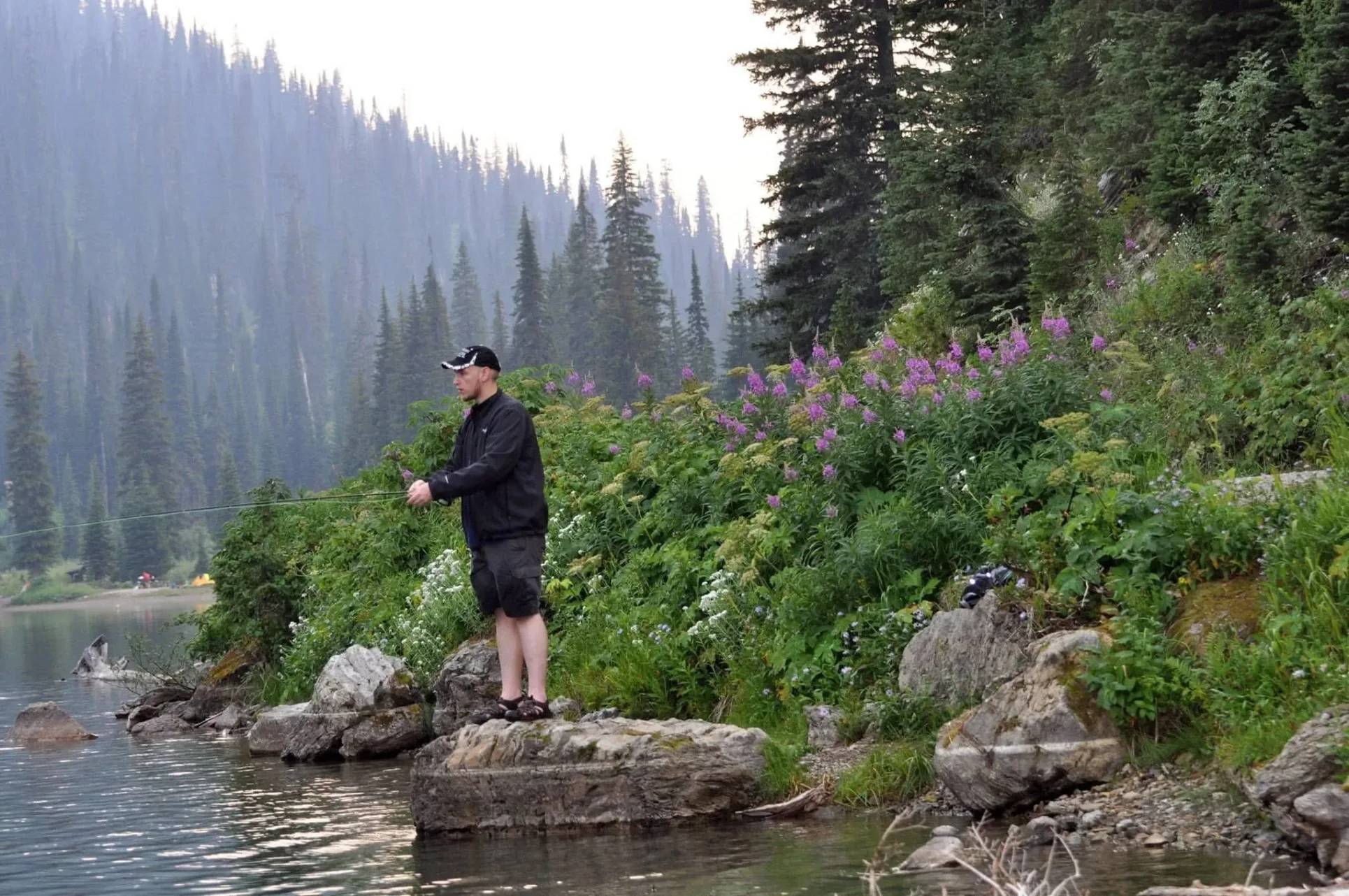
- JOB CREATION AND CONSUMER SPENDING: Outdoor recreation accounts for $3.4 billion (4.6%) of the state’s gross domestic product, compared to 2.3% of the national gross domestic product. Hear firsthand from local Montanan MacNeil Lyons, a tour guide in Yellowstone National Park, on how his livelihood depends on access to public lands.
- WATER QUALITY: Conservation, particularly forest and wetland conservation, helps provide cleaner water and air. Protected watersheds can provide as much as a 10-fold savings in treating drinking water.
- WORKING LANDS: Montana’s ranchers and farmers are leaders in protecting and stewarding working lands to maintain the state’s nearly $37 billion food and agriculture sector. In 2023, agriculture and grazing leases on state trust lands generated approximately $30.2 million for Montana schools alone.
- TIMBER AND FOREST PRODUCTS: Montana’s forest products industry supports thousands of jobs, including loggers, foresters, and mill workers. In 2022, the forest industry supported 9,750 jobs, with $588.4 million in wages. Montana facilities’ primary wood product sales were $687.8 million. Every 50 sawmill jobs in Montana provides $3.2 million in direct annual wages, $6.1 million in indirect annual wages, and 135 additional indirect jobs.
Quantifying some of the benefits of nature—such as opportunities to connect with friends and have fun—can be challenging. As this report shows, however, there is a large body of compelling data that quantifies the more tangible benefits of nature. The Nature Conservancy in Montana encourages policy leaders at all levels of government in the U.S. to invest in the economic, health and public safety of our communities by investing in nature.
For more information on the Natures Dividends report, visit https://www.nature.org/en-us/about-us/who-we-are/how-we-work/policy/natures-dividends/.
For more information on Montana specific data, please see the attached document or click here.
Source: The Nature Conservancy
Photo: Megan Strickland Sacry
Montana's outdoor week, in your inbox at 7am Friday.