
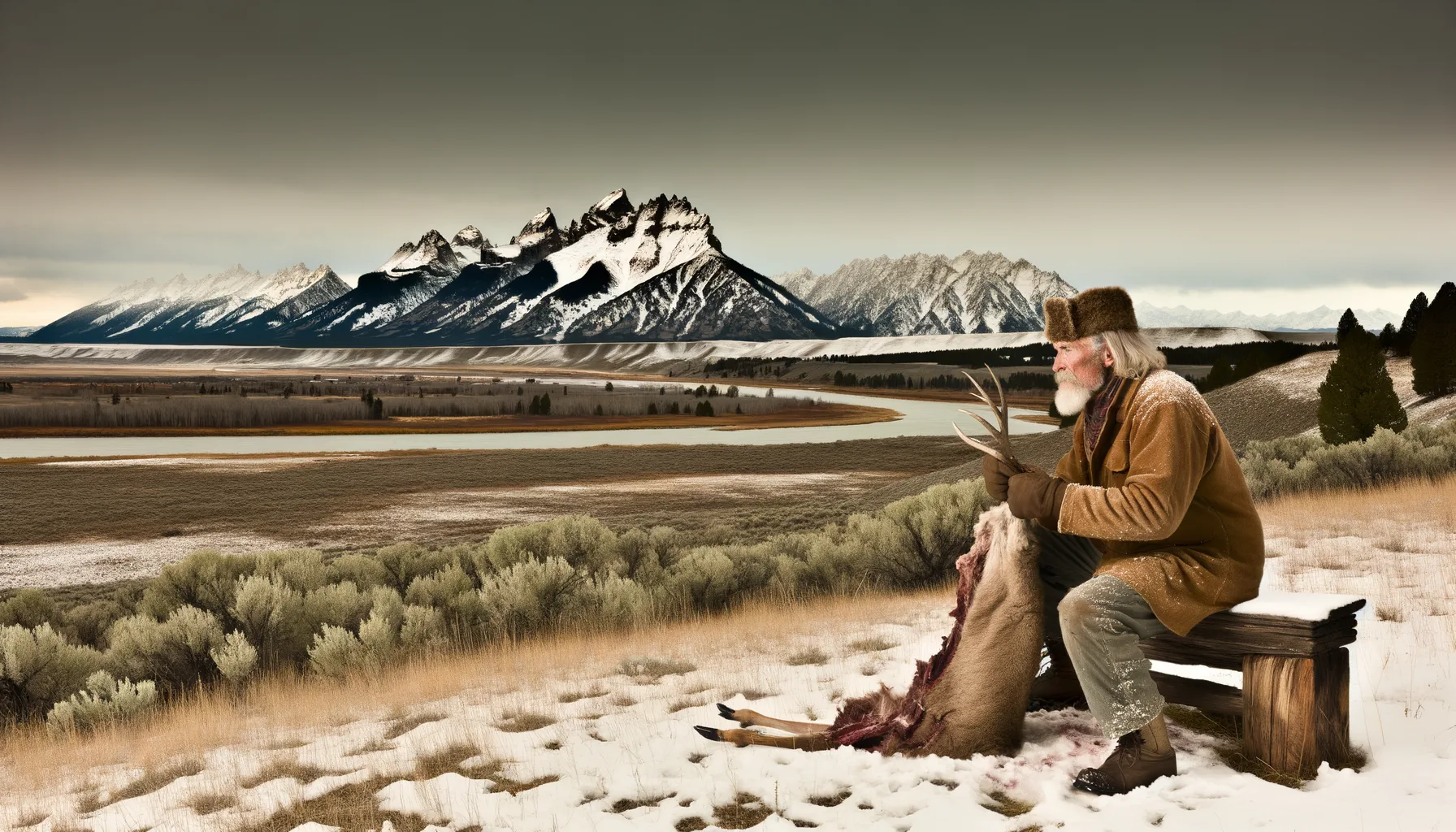
The window is open right now, and it won’t stay that way long. Mid-March in Montana means snowpack is pulling back from the lower-elevation benches and south-facing slopes where elk and mule deer have been wintering since November. Bulls and bucks are dropping antlers as you read this, and the hunters who understand how to read that winter range terrain are the ones coming home with trucks full of bone. If you’ve been waiting for the right time to get out, stop waiting — this is it.
When Bulls and Bucks Actually Drop
Most Rocky Mountain elk bulls in Montana shed their antlers between late February and mid-March, with the bulk of dropping happening right around now. Mule deer bucks typically run a week or two behind, meaning you may still be catching the tail end of their shed cycle through late March. Don’t assume you’ve missed it. In a year like 2026, with above-average snowpack at higher elevations keeping deer and elk compressed on their traditional winter ranges well into March, concentration of animals — and therefore concentration of sheds — is higher than usual on the lower drainages.
The key biological reality to keep in mind: both antlers of a bull or buck usually drop within hours or days of each other. Find one side, and the matching side is almost always within a half-mile. Work a grid, slow down, and trust that logic.
Where to Focus in Montana Right Now
Missouri Breaks and the Charles M. Russell NWR
Eastern Montana’s breaks country along the Missouri River between Winifred and Fort Peck is arguably the best mule deer shed hunting in the state. The CMR holds thousands of wintering mule deer, and the coulees, rimrock edges, and south-facing clay benches concentrate them predictably. Focus on creek drainages that funnel deer movement — Crooked Creek, Little Dry Creek, and the breaks north of the Fred Robinson Bridge are all worth your time. Access is good on BLM and CMR lands, but carry a detailed map because private inholdings are scattered throughout.
Sun River Game Range and the Rocky Mountain Front
The Sun River Wildlife Management Area west of Augusta is one of the most important elk winter ranges in North America, and it produces sheds accordingly. FWP manages the area with an April 15 access opening date specifically to protect wintering elk — do not enter before that date. However, the public BLM ground and national forest lands on the eastern edge of the Front, between Choteau and Dupuyer, are accessible now and hold plenty of elk that have drifted off the WMA. The bench country along Teton River drainages and the Two Medicine corridor deserves a hard look this week.
Beaverhead-Deerlodge and the Big Hole Valley
The Big Hole drainage around Wisdom and Jackson holds significant wintering elk herds, and the BLM ground on the valley edges — particularly the lower foothills east of the Pioneer Mountains — is shedding out right now as snowpack drops. This country rewards early risers. Get on south aspects between 5,500 and 7,000 feet elevation, glass from a distance before you walk, and look for the dark horizontal line of an antler tine against dry grass.
Yellowstone River Corridor and the Absaroka Front
From Livingston south toward Gardiner, elk that winter in the Paradise Valley and drift out of Yellowstone National Park pile up on the BLM and Gallatin National Forest ground below the park boundary. This corridor gets attention from serious shed hunters every March, and for good reason. Focus on the benches above the Yellowstone between Corwin Springs and Jardine Road, and work the lower drainages off Emigrant Peak on both sides of the river.
How to Read Winter Range Terrain
Forget covering miles. Successful shed hunting is about reading landscape. Look for these specific features:
- South and southwest-facing slopes — These melt first and hold the most nutritious exposed grass. Elk and deer feed here obsessively in late winter.
- Fence crossings and creek crossings — The jarring motion of jumping a fence or hopping a cut bank knocks loose antlers that were hanging by a thread. Check every crossing you find.
- Bedding areas on points and saddles — Bulls especially bed in spots with good visibility. Find the old beds, the hair, the pellets — work outward from there in a 200-yard radius.
- Feeding areas near water — Willowed creek bottoms adjacent to open south-facing hillsides are classic late-winter habitat. Don’t just walk the hill; walk the transition zones.
Legal Considerations and Timing Pressure
Montana has no statewide shed hunting season or license requirement — it’s legal to pick up shed antlers on most public land year-round with no permit. The exception is specific Wildlife Management Areas like Sun River, which have posted closure dates. Always check FWP’s WMA access page before you go. Spring bear season opens April 15 in many units, which brings another wave of recreationists into the same drainages. Serious shed hunters know the clock is ticking from both directions — late snowpack pushes your start date right, and spring bear hunters push from the left.
Get out this weekend. The best drainages in Montana are being walked right now by hunters who didn’t wait for a better forecast. Good boots, a pair of quality binoculars, and a willingness to slow down and grid open hillsides methodically — that’s the entire formula. The bone is on the ground. Go find it.
Montana's outdoor week, in your inbox at 7am Friday.