
Scan any Western state fishing report and you’ll notice a pattern: PowerBait, Kastmasters, and garlic-scented marshmallows dominating the catch logs. While these baits consistently produce results at stocked reservoirs from New Mexico to Montana, they’re also creating a generation of anglers who never learn to read water, match the hatch, or understand what trout actually eat in wild settings.
Recent fishing reports from the Southwest show impressive numbers—anglers hauling in five, ten, even twenty-five fish in a single outing using manufactured baits. But here’s what those reports don’t tell you: These techniques work primarily on recently stocked fish that are still conditioned to pellet food. They’re essentially fishing for domesticated trout that haven’t yet learned to be trout.
The Montana Difference
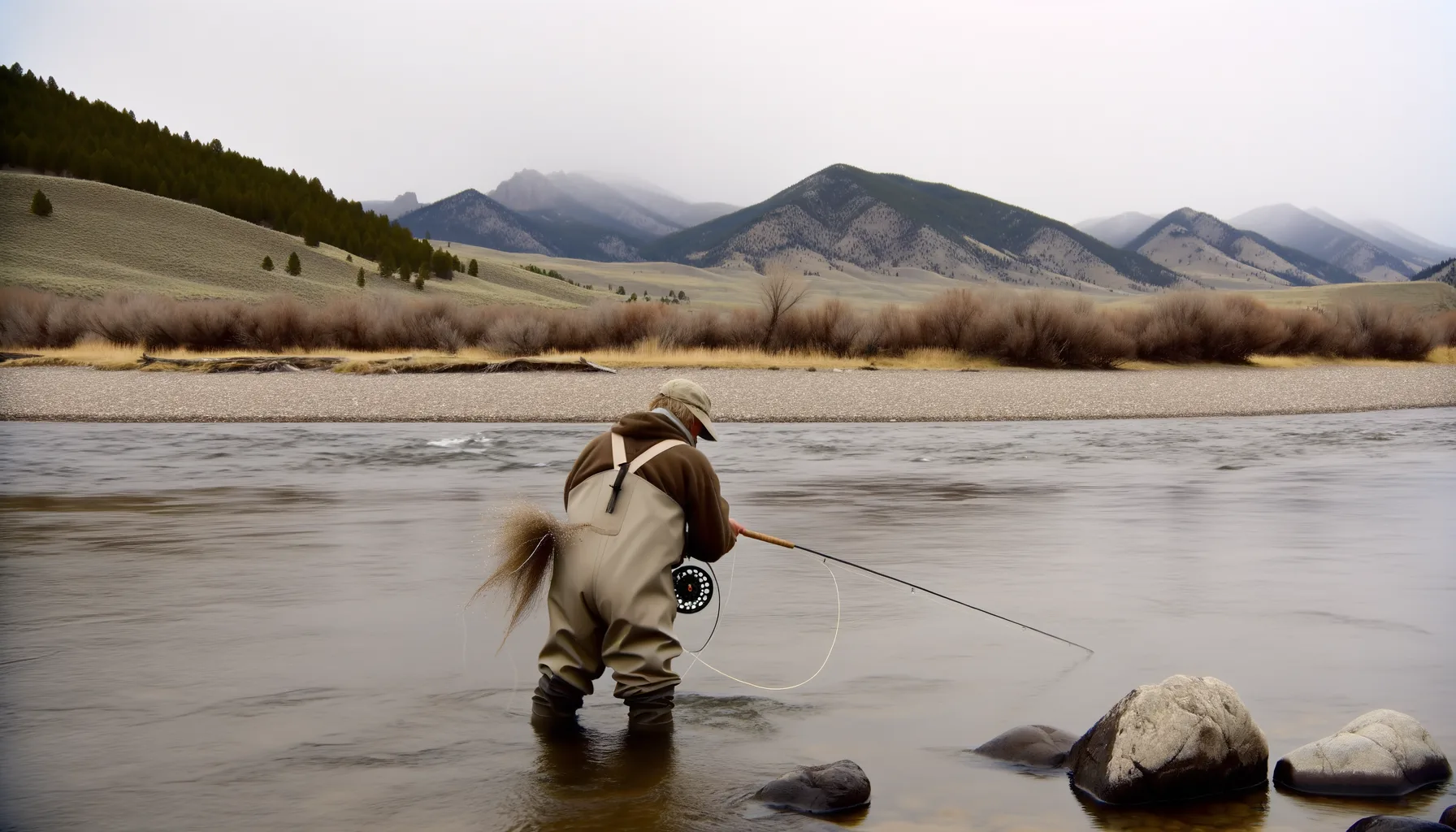
Montana’s blue-ribbon trout waters—the Madison, Yellowstone, Missouri, and Bitterroot—require a different skill set entirely. Our wild and naturalized trout populations have spent generations feeding on aquatic insects, crustaceans, and baitfish. Drop a fluorescent orange PowerBait egg into the Madison River and you’ll quickly understand why fly fishing became an art form rather than just a method.
The reality is that manufactured baits have their place, particularly when introducing kids to fishing or targeting recently stocked community ponds. Montana Fish, Wildlife & Parks stocks numerous waters across the state specifically for harvest, and there’s absolutely nothing wrong with using effective methods to fill a cooler with eating-size rainbows.
But if your goal is to consistently catch trout in Montana’s premier waters—the places that make our state legendary among anglers worldwide—you need to understand what trout naturally eat and when they eat it.
Reading the Water Like a Predator
Wild trout are opportunistic predators that select feeding stations based on energy efficiency. They want maximum caloric intake with minimum effort. This means positioning themselves where current delivers food while providing nearby shelter and oxygen-rich water.
In March, when water temperatures hover in the high 30s to low 40s, trout metabolism is still relatively slow. They’re feeding, but selectively. This is prime midge season across Montana. These tiny insects hatch throughout winter, and trout key on them heavily when nothing else is available.
The angler who understands this—who can tie on a size 20 zebra midge, present it dead-drift through a feeding lane, and detect the subtle take—will outfish the PowerBait soaker ten to one in wild trout water. It’s not about elitism; it’s about effectiveness in different environments.
Building Real Skills for Montana Waters
Here’s what separates consistently successful Montana trout anglers from those who struggle:
- Entomology basics: Learn to identify mayflies, caddis, stoneflies, and midges in their various life stages. You don’t need a PhD—just enough knowledge to match what you see in the water and air.
- Presentation over pattern: A perfectly drifted mediocre fly will outperform a poorly presented perfect imitation every time. Focus on drag-free drifts and natural presentations.
- Water reading: Train your eye to identify feeding lanes, seams, pocket water, and undercut banks where trout hold. This skill translates across all fishing methods.
- Seasonal adjustments: What works in March won’t work in July. Trout behavior changes with water temperature, insect activity, and runoff conditions.
The Practical Path Forward
If you’re currently a bait angler looking to expand your skills, don’t feel pressured to immediately switch to dry flies and bamboo rods. Instead, consider this progression: Start with spin-fishing gear and try small jigs or inline spinners that imitate baitfish. Graduate to floating strike indicators with nymphs beneath—essentially fly fishing gear with a spinning rod. Finally, when you’re ready, invest in a basic fly rod outfit and some casting lessons.
Montana fly shops offer invaluable knowledge, often free with tackle purchases. The guides and counter staff can tell you exactly what’s hatching, where fish are holding, and which patterns are producing. This real-time intelligence is worth more than any generic bait formula.
The beauty of Montana trout fishing isn’t just in catching fish—it’s in understanding the complex ecosystem that supports them, reading water like a native predator, and matching your approach to wild fish behavior. PowerBait catches stocked trout. Knowledge catches wild ones.
Source inspiration: ABQ Journal Fishing Report
Montana's outdoor week, in your inbox at 7am Friday.