
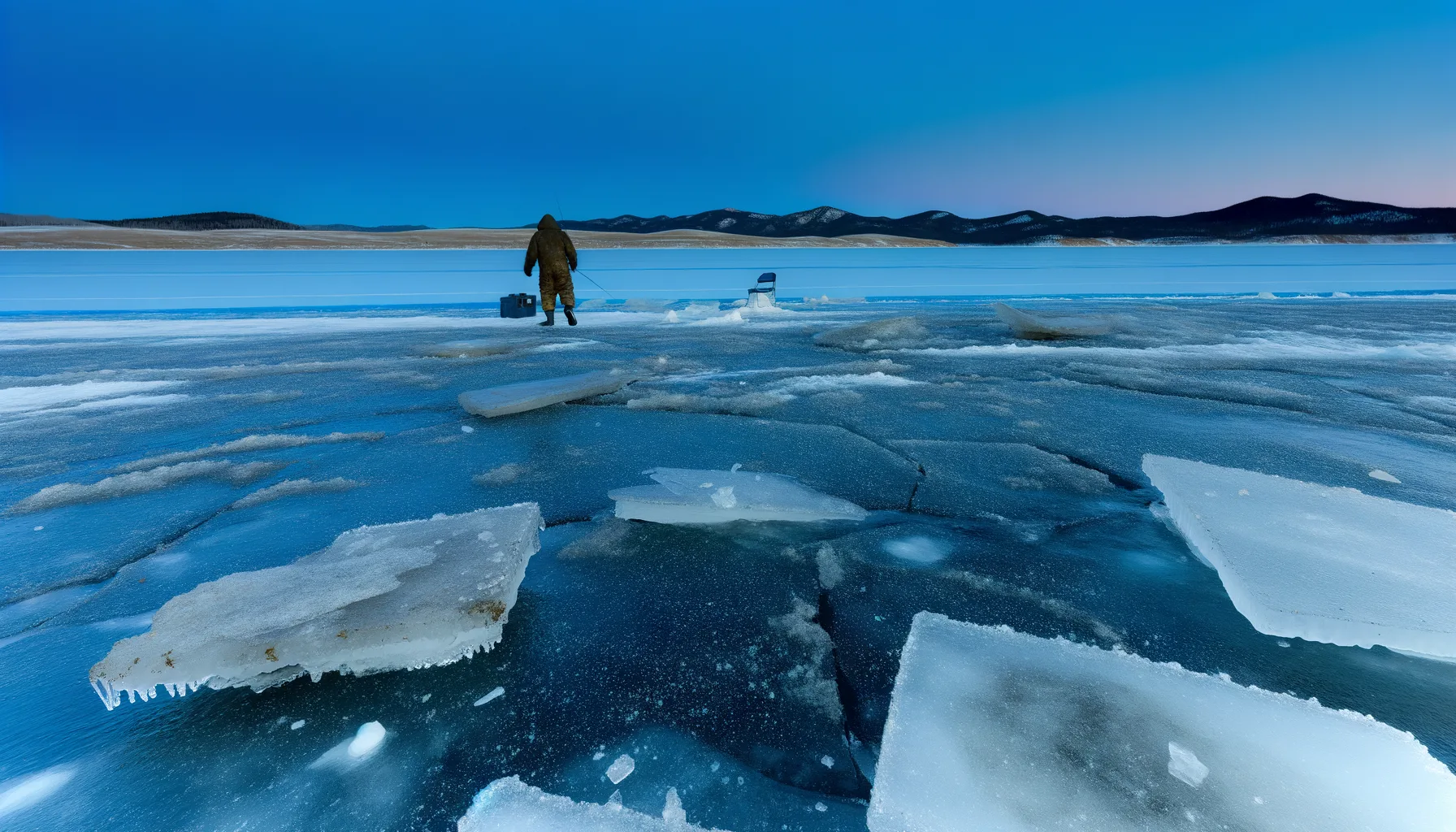
As March pushes forward and Montana’s winter grip begins to loosen, anglers across the state are keeping a close eye on ice conditions at our premier fishing lakes. With temperatures fluctuating and daylight hours stretching longer, the transition from hard water to open water season is imminent—and this year’s Montana ice out predictions are painting an interesting picture for fishing enthusiasts.
Current Ice Conditions Across Montana’s Major Lakes
The 2026 ice fishing season has been a tale of ups and downs, with variable conditions making safety assessments more critical than ever. Let’s break down what we’re seeing at Montana’s top fishing destinations.
Fort Peck Reservoir Ice Conditions
Don Wilkins’ latest reports from Fort Peck indicate we’re still dealing with ice coverage on the main lake, though conditions are becoming increasingly unpredictable. Fort Peck ice conditions show the familiar pattern of shoreline deterioration, particularly in the Duck Creek area where limited open water fishing opportunities are emerging.
Current ice thickness on Fort Peck varies dramatically by location, with protected bays maintaining 8-12 inches while main lake areas show concerning weakness. Wind action is moving ice sheets around considerably, meaning what appears safe in the morning can become hazardous by afternoon.
Predicted ice-out for Fort Peck: March 28-April 5, 2026, depending on upcoming weather patterns.
Canyon Ferry Lake Ice Update
Canyon Ferry ice fishing conditions have been marginal for the past week, with several access points showing dangerous deterioration. The concrete boat ramp area and Silos Recreation Area are experiencing significant shore ice heaving and cracking. Local guides report ice thickness ranging from unsafe 2-3 inches near inlets to potentially fishable 6-8 inches in deeper, protected areas.
However, with daytime temperatures climbing into the 40s and nighttime lows hovering around freezing, Canyon Ferry’s ice is living on borrowed time. The lake’s reputation for producing excellent walleye and perch through the ice is giving way to anticipation for the spring trolling bite.
Predicted ice-out for Canyon Ferry: March 22-30, 2026
Flathead Lake Ice Status
Flathead Lake ice conditions are perhaps the most variable of our major fisheries. The south end near Polson is showing significant deterioration, while the main lake still holds decent ice in protected bays. Recent reports indicate excellent lake trout fishing in 15-40 feet of water off the Delta, but access requires careful route planning and constant vigilance.
The Flathead’s massive size creates a complex ice-out pattern, with southern portions typically opening 7-10 days before northern areas. Current conditions suggest we’re entering the critical safety period where ice appears solid but lacks structural integrity.
Predicted ice-out for Flathead Lake: March 25-April 8, 2026 (south to north progression)
Safety First: Recognizing Dangerous Ice Conditions
This time of year demands heightened awareness of ice safety. Here are the warning signs every angler must recognize:
- Dark or gray ice: Indicates weakness and potential breakthrough
- Standing water on ice: Shows structural compromise underneath
- Cracking sounds: Ice under stress and potentially shifting
- Ice heaving near shore: Temperature fluctuations causing expansion and contraction
- Slushy or honeycomb texture: Advanced deterioration making ice unpredictable
Always carry ice picks, wear a life jacket, and fish with a buddy during transition periods. No fish is worth risking your life, especially when open water opportunities are just weeks away.
Weather Patterns Influencing Ice-Out Timing
This year’s Montana fishing season transition is being influenced by a unique weather pattern. Extended cold snaps in February followed by rapid warming in early March have created unstable ice conditions across the state. Long-range forecasts suggest continued temperature swings, with several days of above-freezing temperatures expected to accelerate the ice-out process.
Wind plays a crucial role in ice deterioration, and March’s notorious gusts are already beginning to break up marginal ice. South-facing bays and wind-exposed areas are showing the fastest deterioration, while protected northern shores maintain ice longer.
Preparing for Open Water Season
As ice conditions become increasingly dangerous, it’s time to shift focus toward open water preparation. Here’s what Montana anglers should be doing now:
Gear Transition
Start organizing your boat and open water tackle. Check your trolling gear for walleye at Canyon Ferry, prepare jigging setups for Fort Peck’s legendary spring bite, and ready your lake trout arsenal for Flathead’s post-ice opportunities.
Boat and Motor Maintenance
Now’s the perfect time for pre-season boat maintenance. Change engine oil, check lower unit fluid, inspect propellers for damage, and ensure safety equipment is current and functional. Montana’s unpredictable spring weather demands reliable equipment.
License and Regulation Updates
Verify your fishing licenses are current and review any regulation changes for the 2026 season. Some lakes have specific restrictions during the spring spawning period, and staying informed helps protect our fisheries while keeping you legal on the water.
Looking Ahead: What to Expect Post Ice-Out
Once ice finally releases its grip on Montana’s premier fishing lakes, anglers can expect excellent opportunities. Fort Peck’s walleye and northern pike become active in shallow bays as water temperatures rise. Canyon Ferry’s walleye fishing typically hits its stride within two weeks of ice-out, with trolling crankbaits producing consistent action.
Flathead Lake’s lake trout move shallow during the post-ice period, offering some of the year’s best opportunities for trophy fish. Meanwhile, Georgetown Lake, Holter Lake, and other regional favorites will be transitioning on similar timelines, giving Montana anglers plenty of options as spring unfolds.
Stay safe out there, monitor conditions closely, and get ready for what promises to be an outstanding open water season across Montana’s incredible fisheries.
Montana's outdoor week, in your inbox at 7am Friday.