
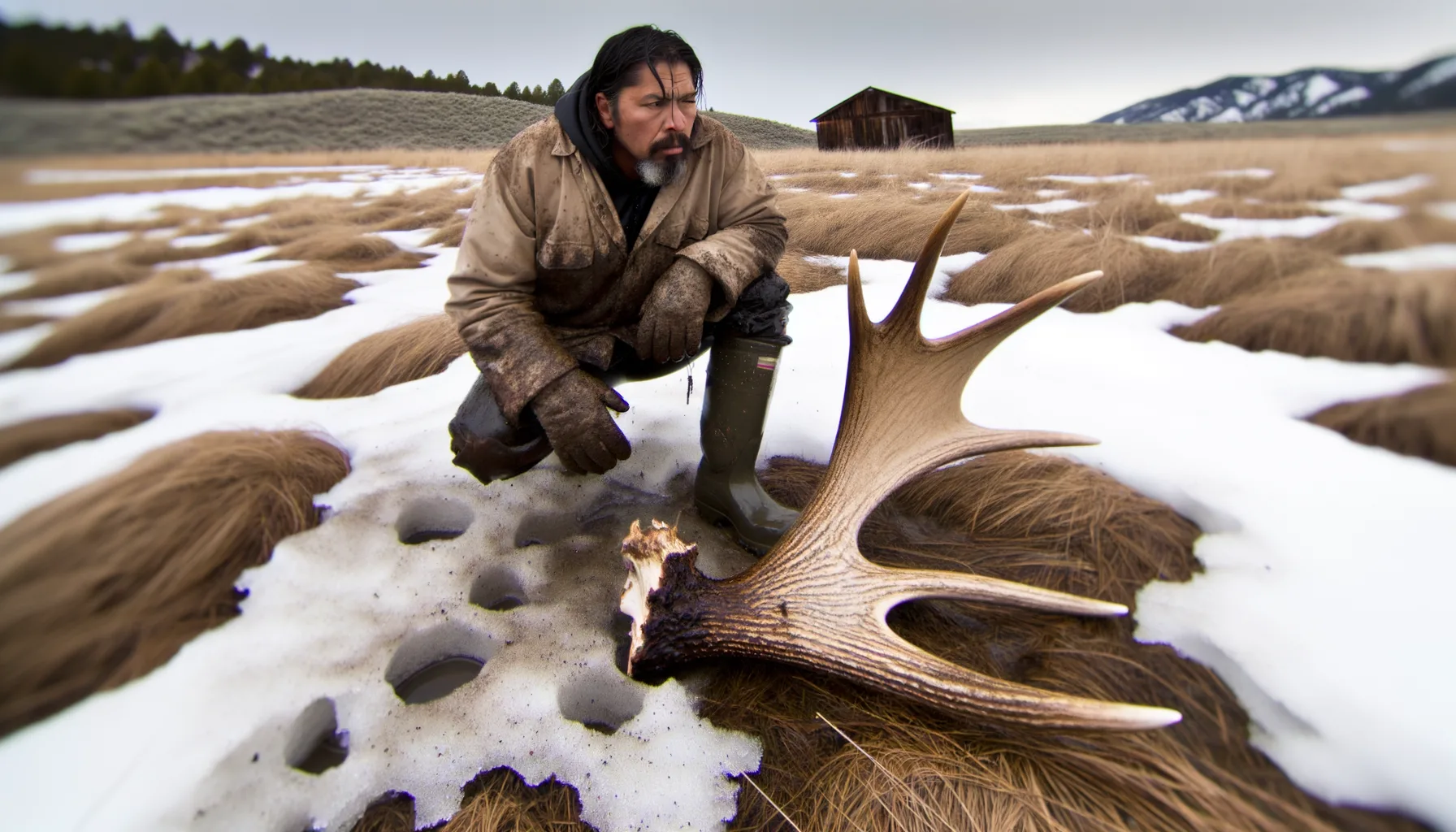
March in Montana means one thing to serious outdoorsmen: shed hunting season is in full swing. With elk and deer dropping their antlers throughout winter and early spring, now’s the time to hit the backcountry and start collecting nature’s treasures. But Montana shed hunting isn’t just about wandering around hoping to get lucky—it takes strategy, timing, and know-how to consistently find elk antlers and deer sheds.
After decades of combing Montana’s mountains and prairies for sheds, I’ve learned that March presents unique challenges and opportunities. The weather’s unpredictable, snow conditions vary drastically across elevations, and animals are starting their spring movements. Here are five strategies that’ll put more bone in your pack this season.
Strategy 1: Time Your Hunts Around Weather Windows
March shed hunting hinges on reading Montana’s fickle spring weather. The key is hunting right after warm spells that melt snow and expose previously buried antlers. When daytime temperatures climb into the 40s and 50s for several consecutive days, that’s your signal to get out there.
I’ve had my best luck hunting 2-3 days after a warm front passes through. The snow recedes, revealing fresh sign and exposing sheds that have been hidden all winter. Pay attention to south-facing slopes—they clear first and often hold the most antlers since animals bed there during cold snaps.
Avoid hunting during active storms or immediately after fresh snowfall. Not only is it miserable, but you’re likely walking right over antlers buried under new snow. Instead, use storm days to study maps and plan your next outing.
Strategy 2: Focus on Transition Zones and Travel Corridors
The biggest mistake novice shed hunters make is randomly wandering through habitat. Successful deer antler hunting requires understanding animal behavior and focusing your efforts on high-probability areas.
In March, concentrate on transition zones between winter range and summer habitat. Animals are starting to move upslope as snow melts, and they’ll drop antlers along these travel routes. Look for:
- Saddles and ridge systems connecting drainages
- Creek bottoms with established game trails
- Edges where timber meets open parks
- Areas around water sources like springs and stock ponds
Some of my most productive shed hunting has been in places like the Bridger Mountains north of Bozeman and the foothills around the Crazy Mountains. These areas see heavy elk and deer traffic during spring migration, making them prime real estate for finding fresh drops.
Read the Sign
Before you start grid-searching an area, take time to read the sign. Fresh tracks, droppings, and beds indicate recent animal activity. Concentrate your efforts where you see the most sign—that’s where you’ll find the antlers.
Strategy 3: Master the Art of Glassing
Your eyes are your most important tool for Montana shed hunting, but using them effectively takes practice. Many hunters walk too fast and miss obvious sheds because they’re not systematically scanning the terrain.
Invest in quality optics—at minimum, carry 8×42 binoculars, and consider a spotting scope for glassing large basins. From vantage points, glass methodically in a grid pattern. Look for the telltale white or cream color of antler tines poking through grass or brush.
Elk antlers are easier to spot due to their size, but deer sheds blend in better with their surroundings. Train your eye to pick out unnatural shapes and lines. A single tine sticking up through sagebrush or the curve of a main beam along a deadfall are dead giveaways.
Early morning and late afternoon provide the best lighting for spotting sheds. The angled sunlight creates shadows that help antlers stand out against the background.
Strategy 4: Bring the Right Gear for Success
March weather in Montana can swing from shirt-sleeve warm to blizzard conditions in hours. Being prepared with the right gear keeps you comfortable and in the field longer, increasing your chances of finding sheds.
Essential Shed Hunting Gear:
- Layered clothing system: Base layer, insulating layer, and waterproof shell
- Quality boots: Waterproof with good traction for varying terrain
- Large pack: You’ll be surprised how much bone you can collect
- GPS device or smartphone with offline maps: Essential for marking finds and navigation
- Binoculars: 8×42 minimum for effective glassing
- Emergency kit: First aid, fire starter, emergency blanket
I always carry more water than I think I’ll need. March hiking can be deceptively strenuous, especially when breaking trail through snow or climbing steep terrain. Dehydration kills your focus and makes it harder to spot sheds.
Strategy 5: Think Like the Animals
The most successful shed hunters understand elk and deer behavior. These animals don’t randomly drop their antlers—there are patterns you can exploit if you know what to look for.
Elk antler hunting hot spots include:
- Feeding areas with sudden elevation changes
- Fence crossings where animals jump or crawl under
- Bedding areas on ridge tops and benches
- Areas with dense brush that can knock antlers loose
Deer are more secretive, but they follow similar patterns on a smaller scale. Check brushy draws, creek bottoms, and areas where deer bed during the day. Old logging roads and ATV trails are productive since deer use them as travel routes, and the jarring movement along uneven ground can shake loose antlers ready to drop.
Pay special attention to feeding areas. When elk and deer jump fences or jostle for position at food sources, the impact often dislodges antlers that are already loose. I’ve found multiple sheds in single spots where hay was put out for winter feeding.
Bonus Tips for Montana Shed Hunting Success
Beyond these five core strategies, here are a few additional tips that have served me well over the years:
- Hunt with a partner: Two sets of eyes cover more ground and make the day more enjoyable. Plus, it’s safer in Montana’s backcountry.
- Mark your finds: Use your GPS to mark every shed location. Over the years, you’ll build a database of productive spots to revisit.
- Respect private property: Always get permission before shed hunting on private land. Montana landowners are generally friendly to respectful hunters.
- Start early in the day: Get to your hunting area at first light. You’ll have fresh eyes and beat the afternoon wind that makes glassing difficult.
- Be persistent: Some days you’ll find nothing. Other days you’ll stumble onto a honey hole. Keep at it and learn from each outing.
March shed hunting in Montana is as much about enjoying the transition from winter to spring as it is about finding antlers. Get out there, explore new country, and use these strategies to increase your odds. The mountains are calling, and there’s bone waiting to be found.
Montana's outdoor week, in your inbox at 7am Friday.