
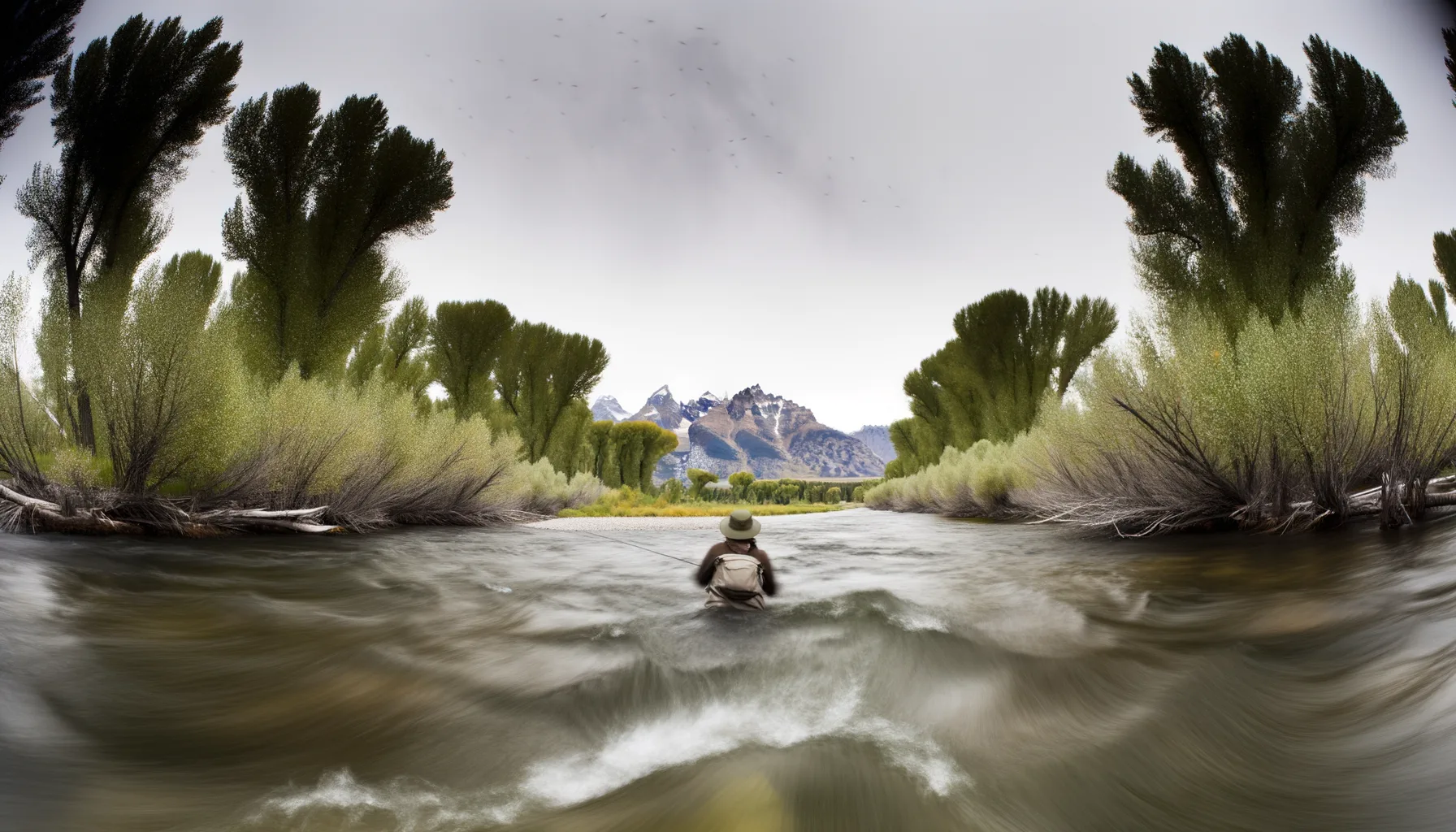
Every Montana angler knows the frustration: you’ve scouted a prime stretch of river, marked your calendar for a float trip, only to arrive and find the water blown out or bone dry. While Mother Nature deserves some blame, controlled releases from upstream dams play an equally critical role in shaping our blue-ribbon fisheries—and understanding how they work can make or break your next fishing trip.
Recent changes to dam operations on Pennsylvania’s Lackawaxen River highlight an issue that hits close to home for Montana anglers. For a century, unpredictable water releases created dangerous conditions and disrupted trout populations. Sound familiar? We face similar challenges on rivers below Holter Dam on the Missouri and Canyon Ferry on the upper Missouri system.
The Tailwater Advantage—and Challenge
Montana’s tailwater fisheries below major dams offer some of the most productive trout habitat in North America. Cold bottom-release water stays consistent in temperature year-round, creating ideal conditions for rainbow and brown trout to grow to impressive sizes. The Missouri below Holter regularly produces 20-inch rainbows, while the Bighorn below Yellowtail Dam has earned legendary status among fly fishermen.
But here’s the catch: these premier fisheries exist at the mercy of dam operators balancing power generation, irrigation demands, flood control, and increasingly, recreational interests. When releases spike without warning, wading anglers face dangerous conditions, spawning beds get scoured, and aquatic insect populations suffer.
Reading Water Release Schedules
Smart Montana anglers check flow data before every trip. The USGS water data system provides real-time streamflow information for virtually every major river in the state. Bookmark these gauges for your favorite tailwaters and check them religiously.
Here’s what to look for: stable flows over multiple days indicate good fishing conditions. Sudden spikes suggest power generation ramps or irrigation releases that can muddy water and make fish lockjawed. Prolonged low flows might concentrate fish but also stress them—practice quick releases and consider fishing elsewhere.
On the Missouri below Holter, optimal fishing typically occurs between 4,000 and 6,000 cubic feet per second. Below that, wading improves but boat traffic becomes problematic. Above 8,000 cfs, you’re looking at tougher conditions and potentially dangerous wading.
Advocating for Better Flow Management
Montana anglers have successfully influenced dam operations through organized advocacy. The Bighorn River saw improved minimum flow requirements after anglers, outfitters, and conservation groups demonstrated the economic value of the fishery to the local community.
Participation in public comment periods for dam relicensing—which happens every 30 to 50 years under the Federal Energy Regulatory Commission—gives anglers a voice. Montana Trout Unlimited chapters, fly shop owners, and local fishing coalitions organize these efforts, but they need individual anglers to show up and testify.
Adapting Your Tactics
Until flow management reaches perfection (don’t hold your breath), adaptable anglers catch more fish. Keep these strategies in your back pocket:
- Target transition zones: Where fast water meets slow during high releases, trout find feeding lanes with reduced current
- Downsize your rig: Falling water levels after a release event often trigger feeding frenzies—use smaller nymphs and indicators
- Fish the edges: During peak releases, trout hold tight to banks where current breaks around structure
- Time it right: Many dams follow predictable weekly patterns tied to power demand—midweek often sees lower, more stable flows than weekends
The Bottom Line
Dam-controlled rivers will never behave like wild, free-flowing streams. But they’ve created world-class fisheries that drive Montana’s outdoor economy and provide accessible, year-round angling opportunities. Understanding how releases work, staying informed about flow schedules, and engaging in the regulatory process ensures these tailwaters keep producing trophy trout for generations.
Next time you’re planning a trip below a dam, spend five minutes checking flow data. That simple habit separates anglers who consistently catch fish from those who blame bad luck. The trout are there—you just need to show up when conditions align.
Source inspiration: Yahoo News
Montana's outdoor week, in your inbox at 7am Friday.