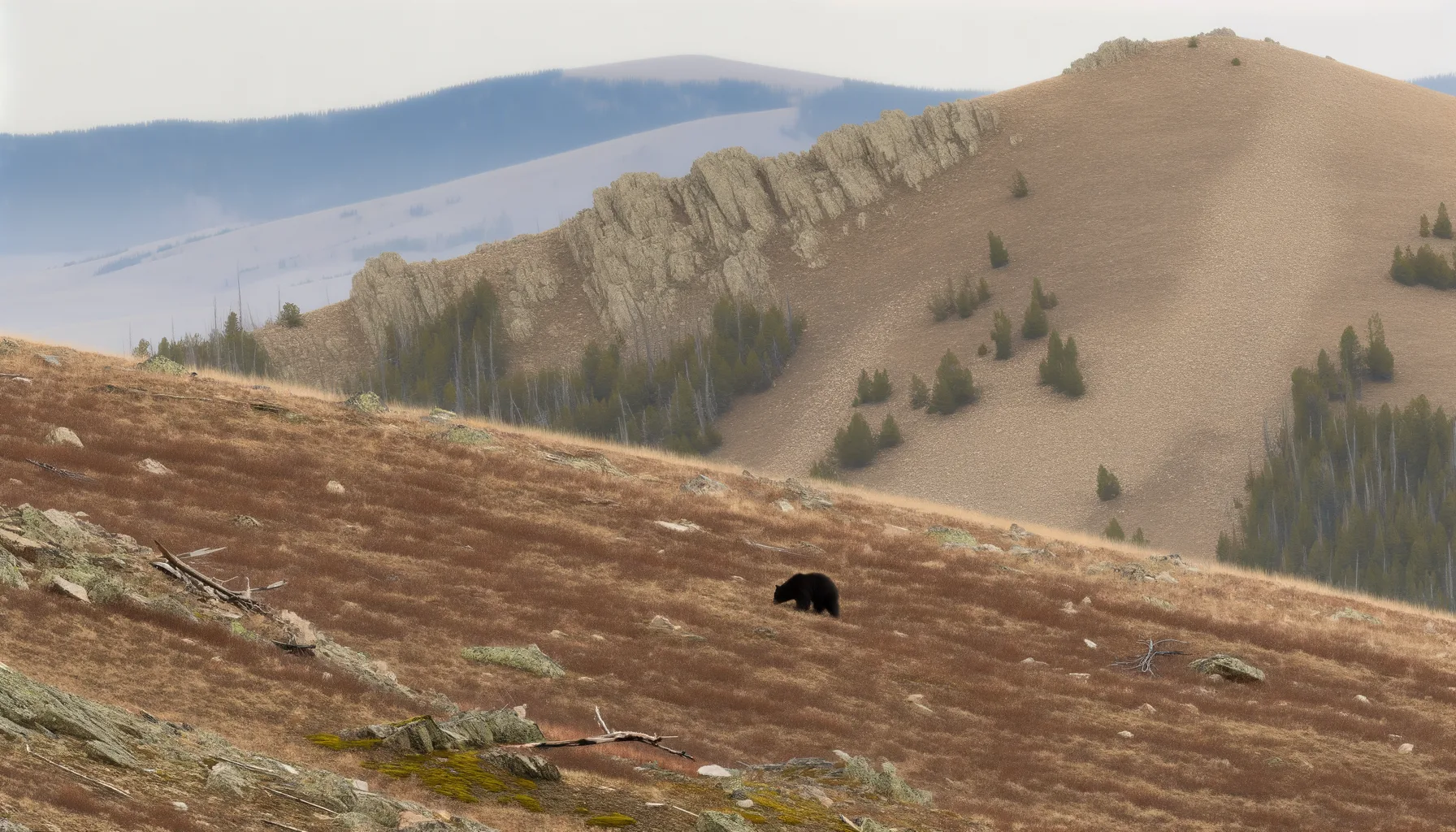
If you’ve been itching to hit the trails around Missoula’s Mount Jumbo, you’re in luck—sort of. The South Zone reopened March 13, giving hikers access to the Saddle Trail and southern sections. But before you lace up your boots, there’s a bigger story here that every Montana outdoorsman should understand: seasonal closures aren’t just bureaucratic red tape. They’re critical tools for wildlife management that directly impact the hunting, fishing, and wildlife watching we all depend on.
The North Zone remains closed until May 1, and for good reason. This is prime fawning season for mule deer, a time when does seek out secure, quiet areas to give birth and nurse vulnerable newborns. Human activity during this critical period can trigger abandonment, increase predation risk, and ultimately impact deer populations that sustain Montana’s hunting heritage.
The Biology Behind the Closures
Spring is arguably the most sensitive time in the wildlife calendar. While we’re eager to shake off cabin fever and explore our public lands, ungulates are in survival mode. Pregnant does have spent the winter burning fat reserves and need undisturbed habitat to successfully birth and rear fawns. A single disturbance might seem harmless, but multiply that by hundreds of hikers, dogs, and mountain bikers, and you’ve created a gauntlet that wildlife simply can’t navigate successfully.
Mule deer populations across Montana have faced challenges in recent decades—harsh winters, habitat fragmentation, and predation pressure all take their toll. Areas like Mount Jumbo, sitting right in Missoula’s backyard, provide essential habitat islands where deer can rear young relatively safe from vehicle traffic and development. Protecting these pockets during critical periods isn’t just good conservation—it’s an investment in future hunting opportunities.
What This Means for Montana Outdoorsmen
If you hunt the Missoula area, the quality of your fall seasons starts right now, in spring. Fawn survival rates directly correlate to recruitment—the number of deer entering the population each year. Poor recruitment means fewer mature bucks down the road and potential for more restrictive hunting regulations. By respecting seasonal closures, you’re essentially managing your own future hunting grounds.
The same principle applies across Montana’s public lands. Whether it’s elk calving closures in the Bob Marshall Wilderness, grizzly bear management closures in the Cabinet Mountains, or waterfowl nesting restrictions on prairie wetlands, these temporary restrictions protect the resource base that makes Montana’s outdoor lifestyle possible.
Practical Takeaways
Before heading out to any trailhead this spring, check current closure information. Most land management agencies—Forest Service, BLM, Montana Fish Wildlife & Parks, and local municipalities—maintain updated closure maps online. Download the OnX Offroad app or similar tools that show seasonal restrictions. A few minutes of research can save you a ticket and, more importantly, help wildlife thrive.
If you’re jonesing for high-country access while waiting for closures to lift, focus your energy on lower-elevation areas that have already reopened, or shift to fishing. Spring runoff brings excellent opportunities for pike and walleye in reservoirs, and early-season trout fishing can be phenomenal on tailwaters and spring creeks before irrigation draws down flows.
The Bigger Picture
Mount Jumbo’s staggered reopening reflects thoughtful, science-based management. Wildlife biologists set these dates based on decades of research into ungulate behavior, birth timing, and habitat needs. They’re not arbitrary, and they’re not designed to inconvenience recreationalists—they’re calculated to give wildlife the best possible chance at successful reproduction.
As Montana continues to grow and recreation pressure intensifies on public lands, these kinds of seasonal closures will become increasingly important. The alternative—unrestricted year-round access—would gradually degrade wildlife populations to the point where more drastic measures become necessary. Far better to accept short-term restrictions that maintain robust wildlife populations and world-class outdoor opportunities.
So yes, the South Zone of Mount Jumbo is open for business. But while you’re enjoying those spring hikes, remember that the North Zone closure represents something bigger than locked gates. It’s an investment in Montana’s wildlife future—and ultimately, in the hunting and outdoor traditions we all value.
Source inspiration: nbcmontana.com
Montana's outdoor week, in your inbox at 7am Friday.