
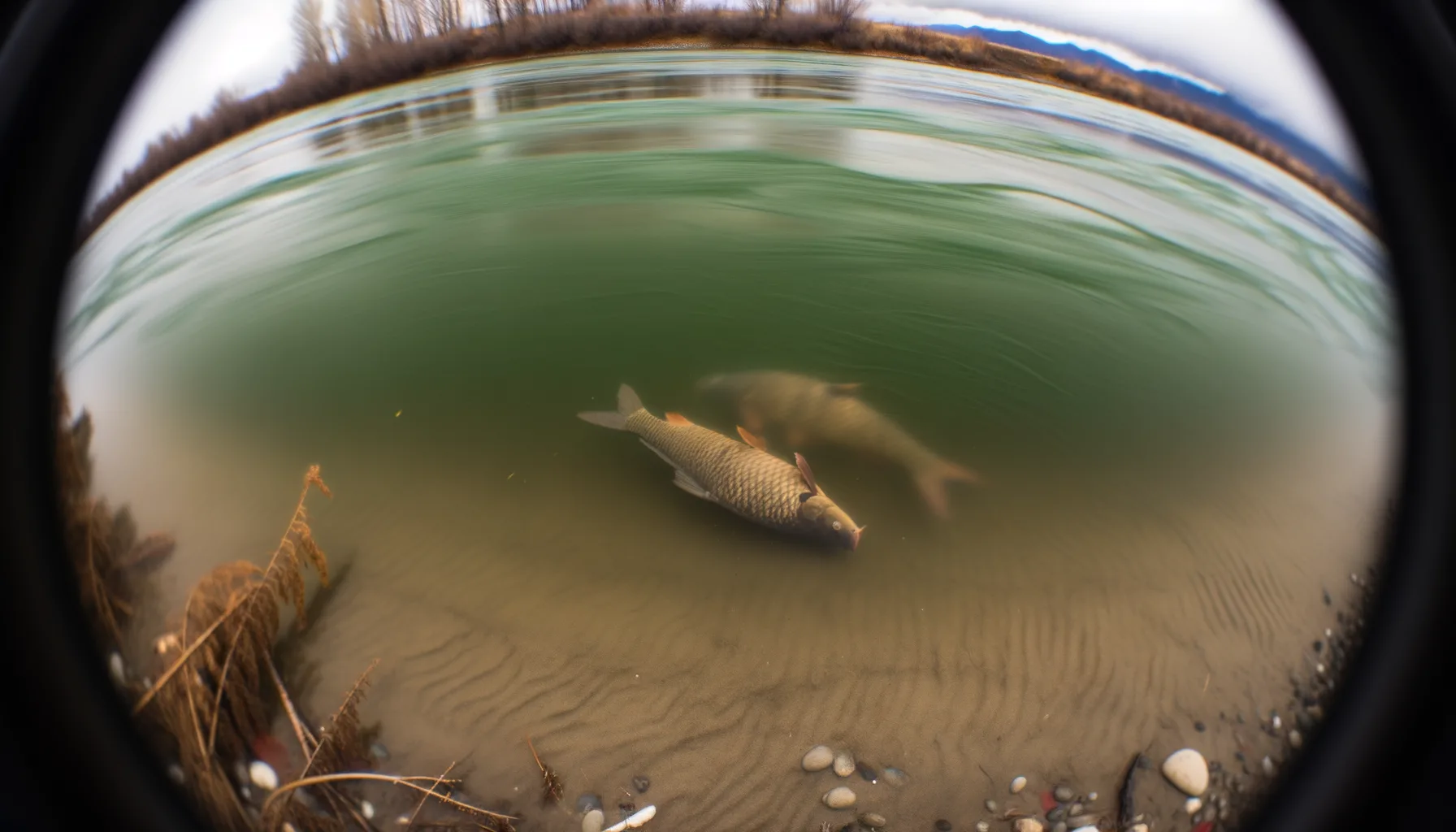
You’ve put in the time scouting a remote mountain lake, hiked miles into the backcountry with a fly rod on your back, and finally found what looks like untouched water. Then you get there and the cutthroat are gone — replaced by stunted perch or illegally introduced pike that have eaten everything in sight. It sounds extreme. It’s not. It’s happening right now across Montana, and most of it traces back to one careless act: bucket biology.
Montana FWP put this video together to lay out exactly what’s at stake when someone dumps bait fish, unwanted aquarium species, or so-called “sportfish” into waters where they don’t belong. And it’s not just a feel-bad story about one unlucky lake. These introductions trigger a chain reaction that’s nearly impossible to reverse. Northern pike illegally dumped into the Flathead drainage have cost the state millions of dollars and decades of management effort just trying to keep native bull trout alive. Smallmouth bass have shown up in waters they were never meant to touch, hammering native species on their way through. Every single one of those situations started with somebody making a decision that seemed harmless at the time.
Under Montana law, introducing fish into any state water without FWP authorization is illegal — full stop. That includes dumping your leftover minnows at the end of a day on the Missouri, releasing a tiger muskie you raised in a backyard tank, or stocking a private pond that drains into a public water. FWP can and does prosecute these cases. The fines don’t come close to covering the actual ecological damage, either. If you’re fishing with live bait in Montana, the rule is simple: don’t dump it. Kill your bait fish or toss them in the trash before you leave the water.
Honestly, this issue deserves the same airtime as zebra mussels during fishing license season. In my experience, most anglers who make bad decisions here aren’t malicious — they just don’t know better. That’s fixable. Prevention is genuinely easy and costs nothing but a little awareness. Watch this video, share it with the guys you fish with every spring, and if you ever see someone making a suspicious “deposit” at your favorite hole on the Smith or the Blackfoot, call it in to FWP at 1-800-TIP-MONT. Montana’s fisheries don’t protect themselves, and that job doesn’t start and end with the wardens.
Montana's outdoor week, in your inbox at 7am Friday.