
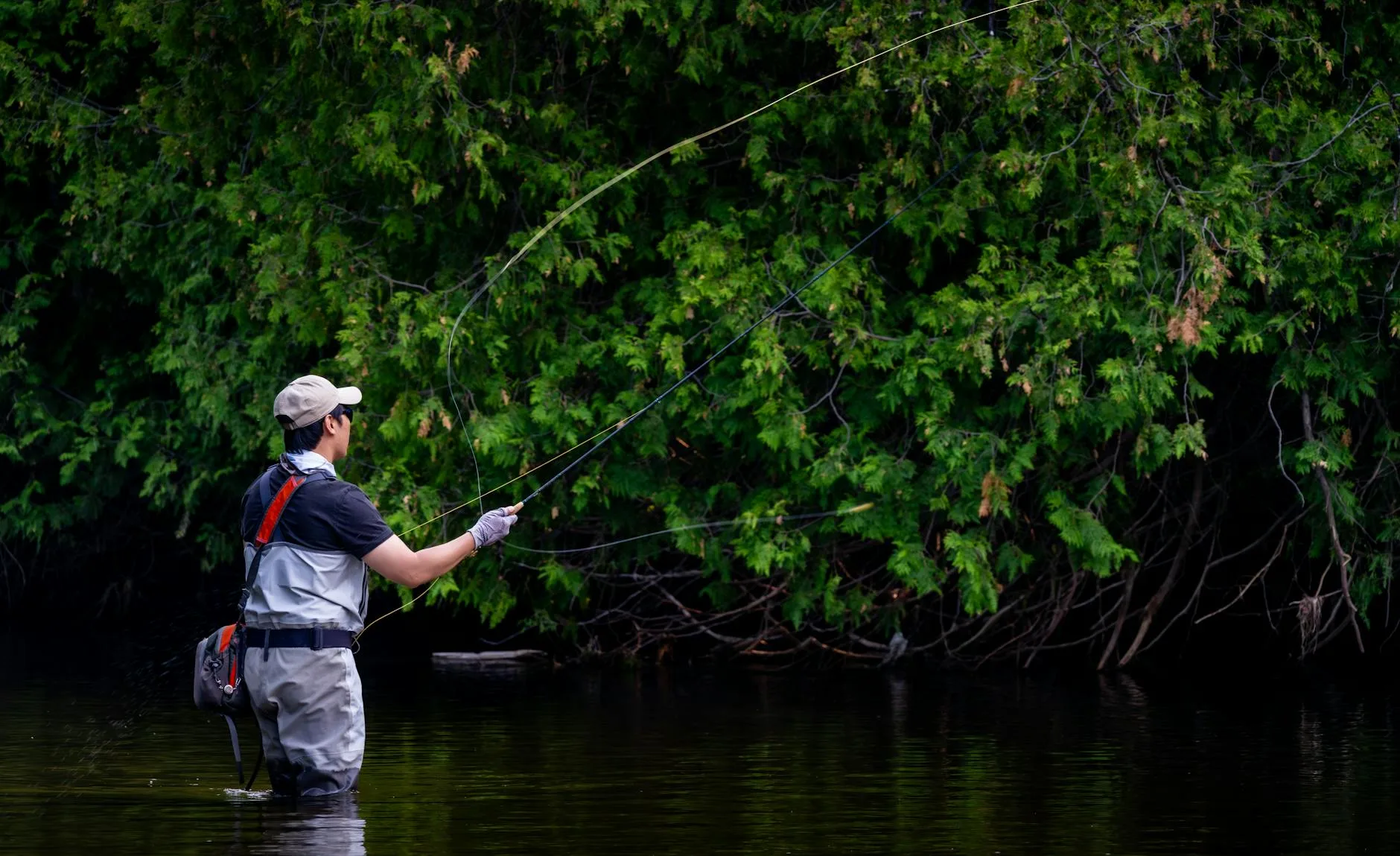
Here’s everything you need to know to give yourself the best shot at a permit, and what to do if the lottery doesn’t go your way.
The 2026 Smith River Permit Lottery: Dates, Deadlines, and Realistic Odds
Montana FWP typically opens the online Smith River permit lottery application in early February, with the application window closing around mid-February. The 2026 float season will follow the same general structure, so watch the FWP website closely starting in January. Applications are submitted through the FWP licensing portal, and there’s a non-refundable application fee — in recent years that’s been around $10 per application. You don’t need to have your full group locked in to apply, but you do need to designate a trip leader.
The lottery covers the primary float season, which runs roughly late April through mid-July. Launch dates are assigned at Camp Baker (the main put-in) and, for some applications, at the upper launch near Fort Logan. Camp Baker is where the vast majority of floaters launch, and it’s where competition is fiercest.
What are your odds? Realistically, demand has consistently outpaced supply. FWP limits the number of parties on the river simultaneously to reduce crowding, and in recent years the lottery has been heavily oversubscribed for peak May dates. Early May through late May tends to draw the most applications — flows are good, the canyon is green, and the brown trout fishing is exceptional. If you have any flexibility, applying for a late April or early June date meaningfully improves your odds without sacrificing trip quality. June can offer warmer weather and slightly lower water that actually makes some of the technical sections more manageable for less experienced paddlers.
One critical insider note: apply for your second and third choice dates strategically. The FWP system allows you to rank preferences. Most applicants cluster their choices in the same peak window. Spread yours out — a June 10th launch date that wasn’t your dream scenario still beats watching someone else’s Instagram posts from the canyon.
If You Don’t Draw: Standby Permits and Outfitter Options
Not drawing a Smith River permit in 2026 isn’t the end of the road. FWP operates a standby permit system that releases unclaimed or cancelled permits closer to the launch dates. Standby permits become available at Camp Baker on the morning of each launch day — it’s first come, first served, and yes, people do camp out the night before for high-demand dates. If you live within driving distance of White Sulphur Springs or can afford to be flexible with your schedule, showing up for standby is a legitimate strategy. Midweek dates and dates in the shoulder season are your best standby bets.
The other route is going with a licensed outfitter. Several Montana outfitters hold Smith River permits through a separate allocation, meaning they can legally take paying clients down the river even without a public lottery permit. This isn’t a cheap option — guided Smith River trips typically run several thousand dollars per person for a 4-5 day float — but it’s a guaranteed experience with professional guides who know every riffle, campsite, and feeding lane on the river. For anglers who want to focus entirely on fishing rather than camp logistics and navigation, the outfitter route is worth serious consideration.
Planning Your Float: Flows, Gear, and Campsite Strategy
Assuming you draw a 2026 permit, the planning work starts immediately. The Smith is a genuine wilderness float — there are no roads into the canyon, no cell service, and no bail-out options once you’re committed. FWP requires all parties to be self-sufficient, and they enforce a strict Leave No Trace camping policy with designated campsites along the route.
Campsite strategy matters more than most first-timers expect. The sites are first-come on the river, meaning your daily mileage planning should account for where you want to camp — not just how far you feel like floating. Popular sites like those near the upper canyon walls fill up when multiple parties launch on the same date. Talk to FWP rangers before your trip; they can give you real-time info on which sites have been seeing the most use.
For flows, the USGS gauge at Smith River near Eden is your reference point. Ideal floating levels are generally considered 300–1,500 CFS. Below 300 and you’re dragging boats over gravel bars. Above 2,000 and the water is fast, cold, and unforgiving. Check the gauge obsessively in the two weeks before your launch date and have a contingency plan — FWP can and does postpone trips in high water years.
On the gear side, a dry suit or thick wetsuit is non-negotiable for April and early May floats. The Smith runs cold, and a swim in 45-degree water with Class II water ahead is a serious situation. Bring more dry bags than you think you need, waterproof your sleeping system twice over, and pack out every scrap of trash — FWP inspects camps and violations can result in permit revocation.
The Smith River float is genuinely one of Montana’s great experiences — five days deep in a canyon that feels completely removed from the modern world, with brown trout rising to PMDs and caddis in water so clear you can count the fish before you cast. The permit process is the price of admission. Start your 2026 application early, apply strategically, and if the lottery doesn’t go your way this year, make a standby plan and try again. The river will be worth the wait.
Montana's outdoor week, in your inbox at 7am Friday.