
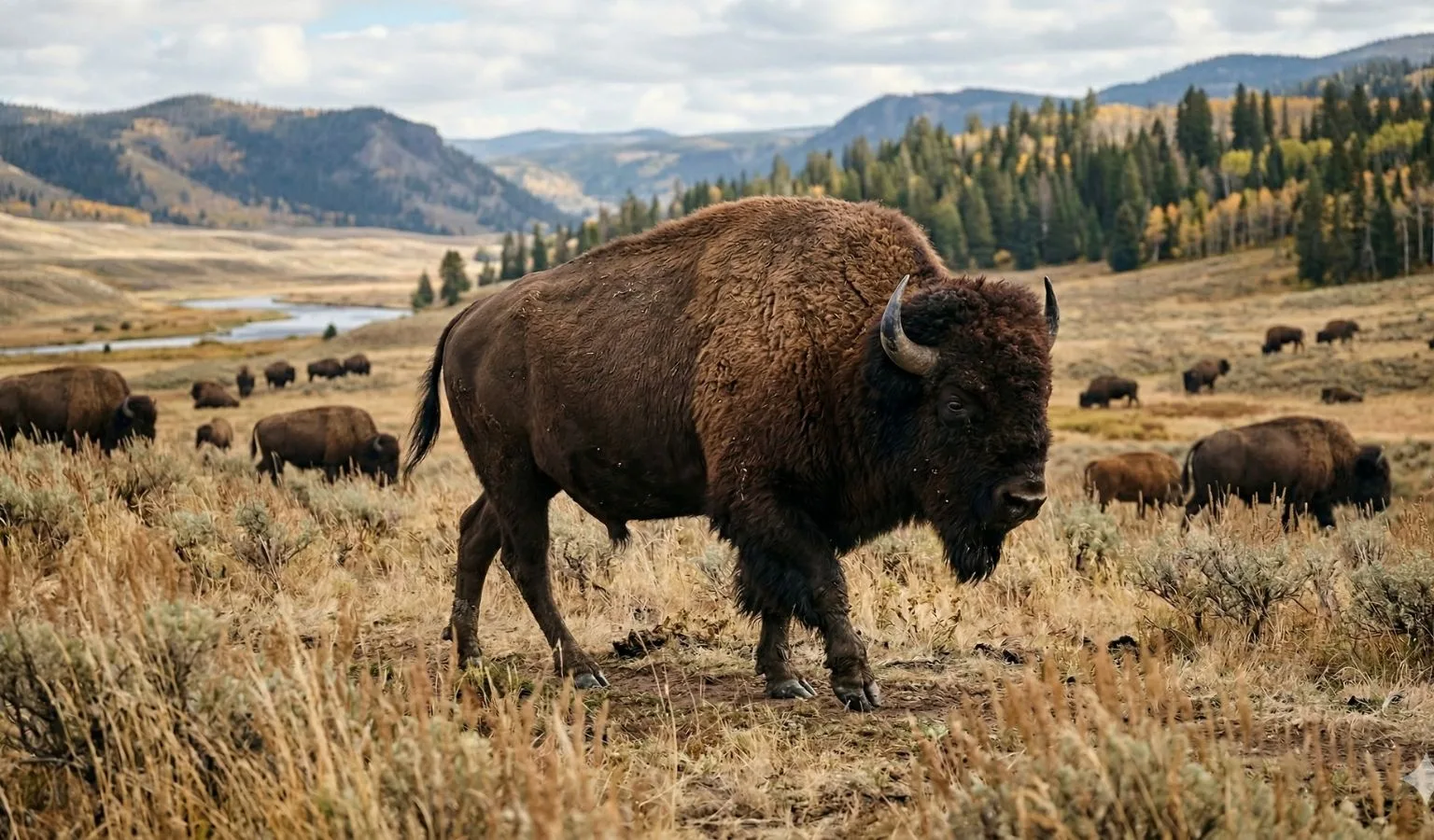
The U.S. Department of the Interior has proposed a policy change that would prioritize cattle over bison on federal lands managed by the Bureau of Land Management (BLM). This decision marks a significant shift in how the government defines “livestock” and determines who has the right to graze on public rangelands.
Here is a neutral summary of the key elements of this land-use dispute that was posted by Inside Climate News approximately a week ago:
1. The Regulatory Shift
Interior Secretary Doug Burgum has proposed canceling grazing leases for American Prairie, a conservation nonprofit. The administration’s argument rests on the interpretation of the Taylor Grazing Act, asserting that federal leases are reserved for “production-oriented” livestock (aka for the meat). Because American Prairie’s bison are part of a conservation initiative rather than a traditional meat-production operation, the BLM argues they do not meet the legal requirements for these specific leases.
2. Economic and Land Access Implications
- Cost Savings: BLM grazing fees are approximately 90% lower than market rates for private land. These subsidies are a vital economic resource for traditional cattle ranchers.
- The Displacement: If finalized, the ruling would remove roughly 950 bison from federal land, making that acreage available for cattle grazing.
3. Impact on Tribal Sovereignty
The Coalition of Large Tribes (COLT), which represents tribes managing 25,000 buffalo, has formally protested the decision. They argue that the narrow definition of “production-oriented” livestock could prevent Indigenous communities from using federal lands for their herds. Tribes utilize bison for a combination of ecological restoration, spiritual practices, and commercial meat sales, and they fear this ruling sets a precedent that excludes their management model.
4. Differing Perspectives on Land Management
- Environmental Research: Proponents of bison grazing point to studies suggesting that bison increase plant biodiversity and are more resilient to climate-driven droughts than cattle.
- Ranching Community Concerns: Local ranchers and organizations like “Save The Cowboy” argue that large-scale bison conservation projects threaten the local economy. They express concern that creating a “wild” ecosystem will attract apex predators, such as wolves and grizzly bears, which pose a direct threat to their livestock and livelihoods.
5. Current Status
The proposal has sparked a wave of formal protests from conservationists, tribal leaders, and private bison ranchers. While cattle ranching interests view the move as a return to the original intent of federal land use law, bison advocates see it as a policy designed to favor one industry over another. American Prairie has indicated it will adapt by moving bison to private holdings while awaiting further legal or political developments.
Montana's outdoor week, in your inbox at 7am Friday.