
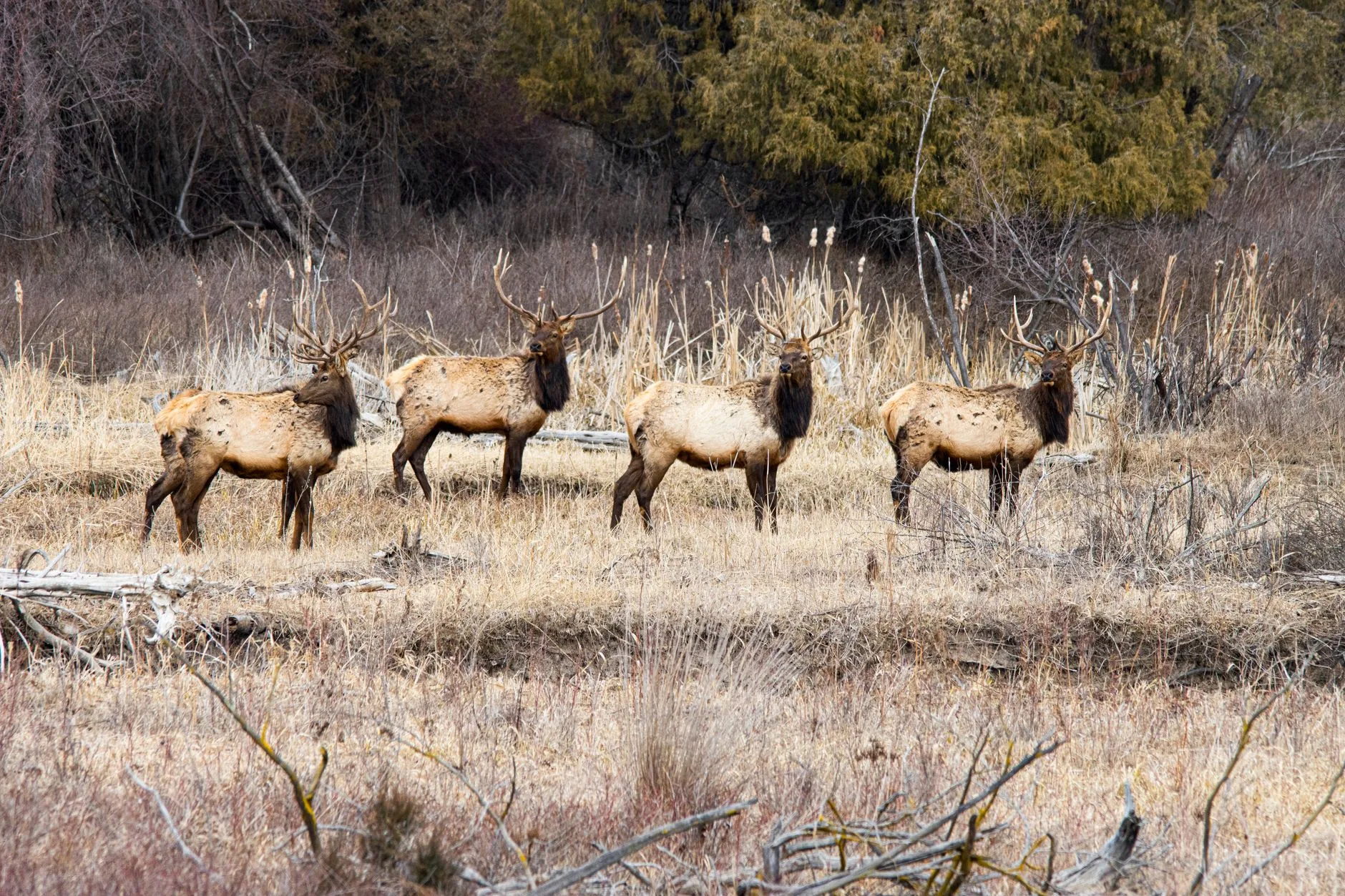
Opening morning of elk season is when adrenaline runs highest — and, apparently, when judgment sometimes runs lowest. Montana Fish, Wildlife & Parks wardens know this better than anyone, which is exactly why they chose opening day to set up one of the most effective tools in modern wildlife law enforcement: a robotic spike elk decoy planted right in the middle of a unit with a very specific legal requirement. Only brow-tine bulls were legal to harvest. The decoy had no brow tines. And the warden was already in position, watching.
Decoy operations like this one — set near Billings in what appears to be the rolling sagebrush and coulée country of south-central Montana — aren’t new, but they never get old to watch. FWP wardens have used mechanical and robotic decoys for decades to catch road hunters, out-of-season shooters, and hunters who don’t bother to properly identify their target before pulling the trigger. What makes this particular sting so compelling is the layered regulation at play. Brow-tine restrictions are written specifically to protect younger bulls and let the herd’s age structure develop — they require a hunter to actually look at an animal, identify specific antler characteristics, and make a conscious decision. There’s no “I didn’t know” defense when the law is that precise. When hunters shoot a spike in a brow-tine-only unit, it tells the warden everything they need to know about how much attention was paid in those critical seconds.
The moment of realization — when hunters figure out a warden witnessed the whole thing — is something you won’t forget. It’s uncomfortable to watch, but it’s also exactly why this kind of enforcement matters. Montana’s elk hunting heritage depends on hunters who do it right: buying the correct tag, knowing the unit regulations cold before they ever load a rifle, and taking that extra five seconds to confirm what they’re looking at through the scope. With elk tags becoming harder to draw in premium units across the state and FWP working hard to balance harvest pressure with sustainable populations, one bad actor in a limited unit can represent a real biological and social cost to every legitimate hunter who waited years for that tag.
If you’re heading afield this season — whether you’re in the Breaks, the Beartooths, or the river bottoms east of Billings — pull up your regulation booklet one more time before you go. Know your unit number, know the antler restrictions, and know that Montana’s wardens are good at their jobs. This video is a solid reminder that the consequences of a shortcut are a lot worse than the few minutes it takes to get it right.
Montana's outdoor week, in your inbox at 7am Friday.