
BRETT FRENCH | bfrench@billingsgazette.com
Regrouping after Gov. Greg Gianforte in May vetoed legislation to fund a $2.6 million statewide river use study, Montana Fish, Wildlife & Parks is developing a river recreation strategy proposal to move forward.
The outline will be presented to FWP Director Christy Clark in January, Liam Todd, FWP outdoor recreation planner, told the Region 5 Citizens Advisory Committee at its Nov. 18 meeting in Billings.
The suggestions will include work done by a 10-member River Recreation Advisory Committee in 2024, a framework for data collection and monitoring using an ongoing Montana State University study on the Jefferson River basin for context and what the department needs to execute the effort, Harry said.
The goal is to find a consistent, science-based way to monitor river use to identify those areas with the most pressing crowding issues and then to address the congestion through education, signage and assigning staff to interact with users.
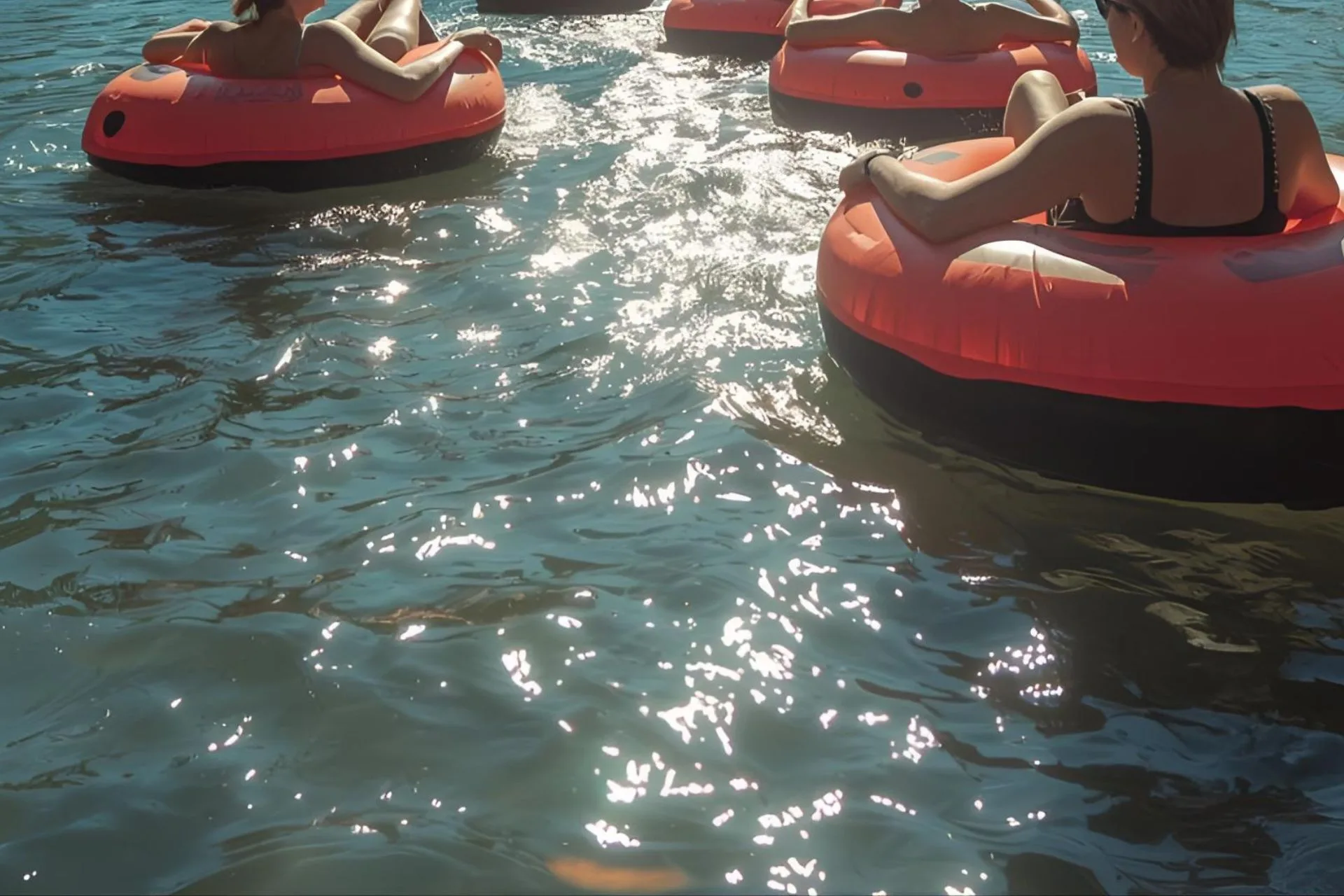
Across the state, FWP manages more than 300 fishing access sites that provide the public a place to reach rivers and streams for recreation — everything from walking dogs to picnicking, fishing, boating and inner tubing.
Starting in 2023, FWP began requiring fishing access site users to purchase a conservation license to help pay for the cost of upkeep at the sites, one way to increase funding for things like picking up trash and cleaning vault toilets.
Anne Marie Emery, a Region 5 CAC member and executive director of the Bighorn River Alliance, said education by groups like hers has been ongoing for years but people continue to ignore signage and behave rudely to other river users and damage the resource.
“Education only goes so far,” she said.
“I think the biggest thing is people want to see Montana Fish, Wildlife & Parks out there actually … citing people or putting some reason behind certain decisions when it comes to regulations,” she added.
A 2020 study by the Institute for Tourism & Recreation Research (ITRR) on a 30-mile stretch of the Yellowstone River above Livingston was a basis for conducting monitoring on other rivers. In addition to deploying people to survey users, remote cameras were set up to count watercraft and people.
Vehicle counts at fishing access sites were as high as 93, but the average ranged from 12 to 35.
“What is known is that along some waterways, there are complaints from users saying there are too many people on the rivers, that trash along shores and in the waterways is increasing, and that use of the access sites has increased substantially,” the ITRR study noted.
A three-year study is underway on the Jefferson River basin and Madison River by Michael Lant from the Department of Ecology at Montana State University. His 2025 report will be available in January, but last year’s summary estimated 410,000 recreational hours of use between May and October.
The Madison River was the busiest, accounting for more than half of the total hours. The much smaller Ruby River, which also has fewer access sites, ranked the lowest.
With more people, an estimated 48,000 individuals, the Madison River recreationists felt the most crowded of those interviewed.
Attempts by past Fish and Wildlife Commissions to address crowding on the Madison River have repeatedly failed amid disagreements over the specifics of curtailing guided and public use.
Trout fisheries in Montana are valued at more than $750 million a year representing more than 20% of tourism spending in Montana, Michael Lant noted in his 2024 report on recreational use of rivers.
Between 1983 and 2017, total fishing pressure doubled from 0.8 million angler-days to 1.7 million angler-days, and nonresident angling in the most popular rivers, including those in southwest Montana, increased up to 1,600%.
Owing to these increases and the lack of recreational use data, there are public concerns about the number of people recreating on Montana’s rivers and how that affects the quality of the experience and the aquatic resources.