
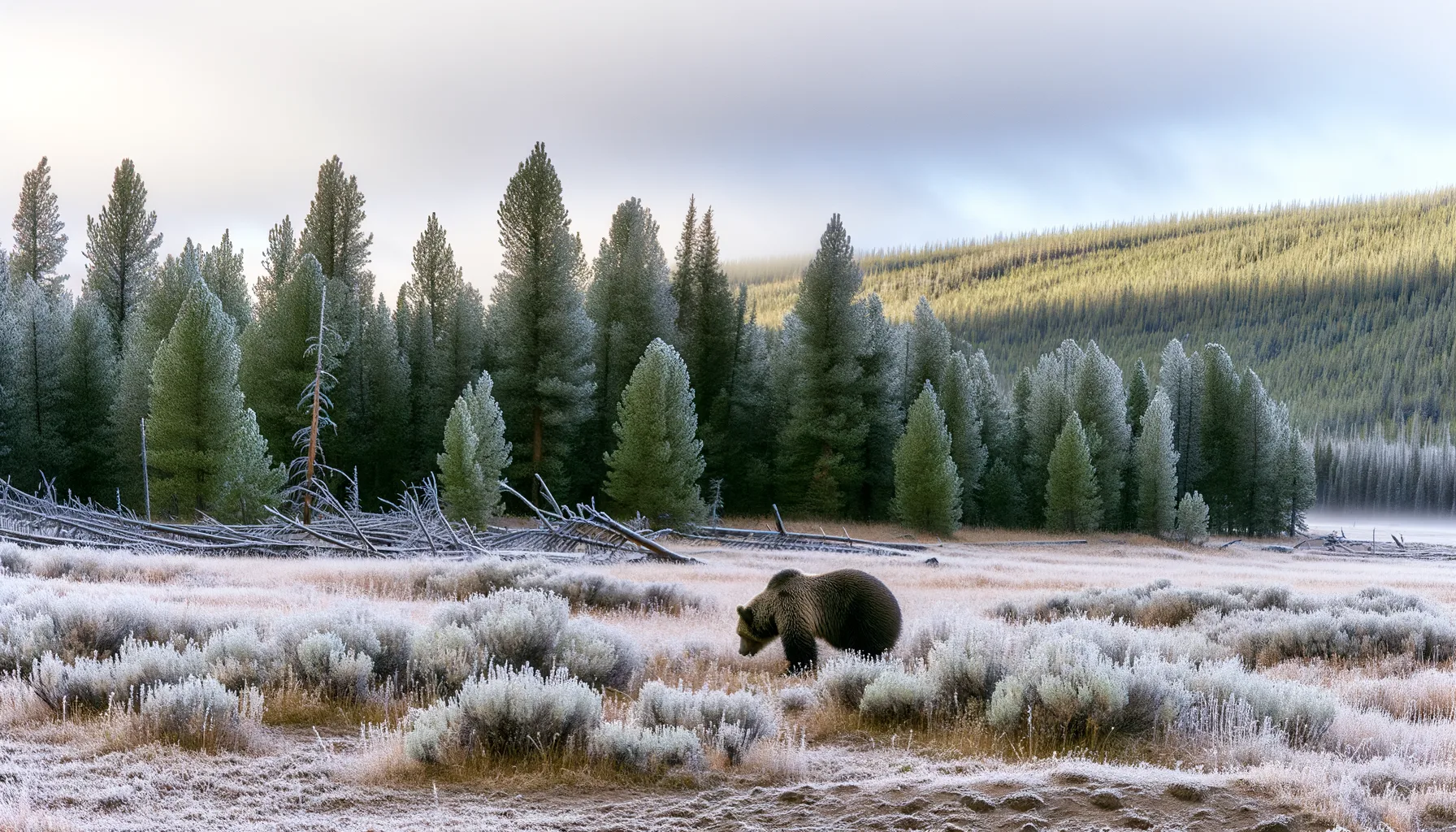
While Montana ranchers, outfitters, and wildlife managers navigate the daily reality of living alongside expanding grizzly populations, California—where the last grizzly was killed in 1924—is now contemplating bringing bears back from our backyard.
A new California bill proposes creating a roadmap for grizzly reintroduction using bears from the Greater Yellowstone Ecosystem, which spans Montana, Wyoming, and Idaho. The proposal rests on recent genetic research suggesting Yellowstone grizzlies share DNA similarities with California’s extinct coastal bears. It’s an ambitious idea that raises critical questions for those of us who actually share the landscape with these apex predators.
The Federal Control Problem
Here’s where things get complicated for Montana. Because grizzlies remain under federal Endangered Species Act protection, decisions about relocating bears could ultimately rest with the U.S. Fish and Wildlife Service—not state wildlife agencies. Remember when Colorado came looking for wolves and Governor Gordon in Wyoming told them to take a hike? He could do that because wolves are under state management. With grizzlies still federally protected, Montana might not have the same veto power.
This underscores exactly why Montana’s push for grizzly delisting matters so much. State control means local decision-making by people who understand the on-the-ground realities. Federal management means bureaucrats in Washington could theoretically ship Montana’s bears to California without meaningful input from FWP or the governor’s office.
Montana’s Grizzly Reality Check
Anyone who’s hunted the Bob Marshall Wilderness, fished the Rocky Mountain Front, or guided clients in the Greater Yellowstone knows grizzly management isn’t theoretical—it’s daily life. We’re talking electric fences around apiaries, bear-proof garbage containers, modified hunting practices, livestock losses, and constant vigilance in the backcountry.
Montana has roughly 2,000 grizzlies between the Northern Continental Divide Ecosystem around Glacier and the Greater Yellowstone population. These bears are expanding their range, pushing into agricultural lands and communities that haven’t seen grizzlies in generations. We’re making it work, but it requires significant resources, public education, and frankly, a rural population that understands living with dangerous wildlife.
California has 40 million people. Montana has just over a million. The scale difference matters.
Where Bears Actually Need to Go
Retired grizzly biologist Chuck Neal has it right: before we entertain transplanting bears to coastal California, let’s focus on connectivity between Montana’s two grizzly populations. The remote wilderness of central Idaho represents the critical corridor that could link the Northern Continental Divide bears with Yellowstone grizzlies, creating a genetically robust metapopulation across the Northern Rockies.
This isn’t just about numbers—it’s about long-term viability. Connected populations mean genetic diversity, reduced inbreeding, and resilience against disease or environmental changes. For Montana hunters and outdoor enthusiasts who want sustainable grizzly populations managed by the state, connectivity should be the priority.
What Montana Can Learn
The British Columbia model mentioned in California’s planning involves intensive work with Indigenous communities and focuses heavily on human-bear coexistence. Montana tribes have been managing grizzly interactions for generations, and there’s room for greater collaboration between state agencies, tribal wildlife managers, and landowners.
The proposal to raise orphaned cubs in captivity until age two before release is interesting but problematic. Wild grizzlies learn critical survival skills from their mothers. Captive-raised bears might lack the wariness that keeps both bears and humans safer.
The Bottom Line for Montana
California’s grizzly dreams highlight what’s at stake in Montana’s delisting battle. We need state control over our grizzly populations—not just for management flexibility, but to ensure our bears stay here, doing the hard work of recovery in suitable habitat.
Montana’s successfully demonstrated that grizzly recovery works. Our populations are growing, expanding, and thriving. That success shouldn’t be leveraged to stock experimental populations in states that lack the habitat, infrastructure, or cultural readiness for large carnivores.
Keep pushing your representatives to support grizzly delisting. Support Montana FWP’s management plans. And the next time you’re packing into grizzly country, remember: we’re not just managing bears—we’re writing the playbook that other states want to follow, whether they’re ready for it or not.
Source inspiration: Cowboy State Daily