
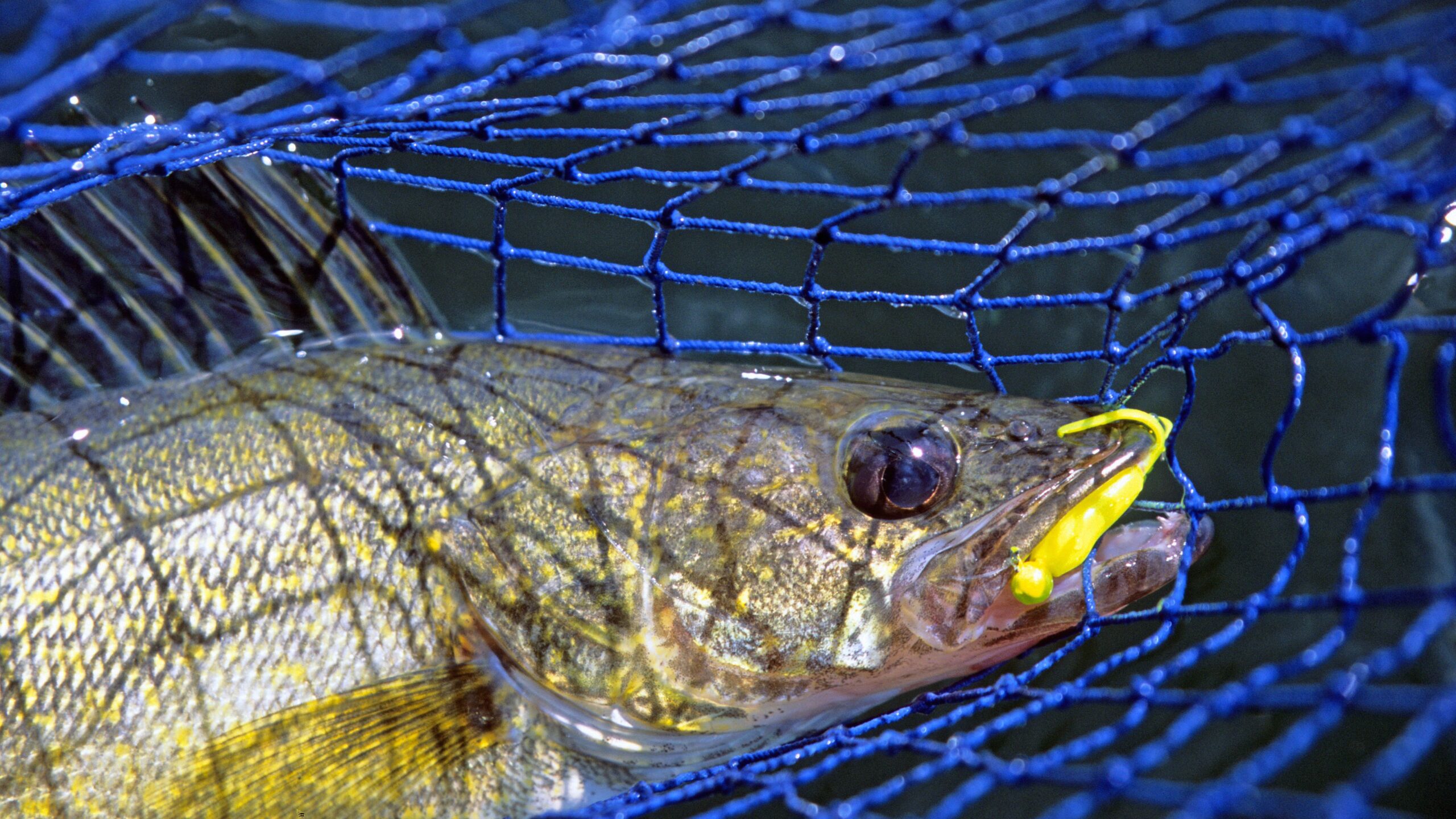
Canyon Ferry is shedding ice early this year, and if you’re not thinking about submerged Christmas tree structure right now, you’re fishing blind. Montana Fish, Wildlife & Parks and the Department of Natural Resources and Conservation just wrapped up this year’s Pines for Perch drop — 29 loads of bundled trees, strapped to cinder blocks, helicoptered out to strategic locations across the reservoir floor. The program is officially about boosting yellow perch habitat. But for walleye and trout anglers heading out in the next few weeks, it’s a science-backed treasure map hiding in plain sight.
Why Sunken Trees Change Everything at Canyon Ferry
Here’s the problem Canyon Ferry has always faced: it’s a reservoir. Water levels fluctuate constantly, managed by the Bureau of Reclamation for irrigation and flood control across the Missouri River drainage. That fluctuation scours the shoreline clean — no aquatic vegetation, no natural woody debris, no submerged root tangles. According to FWP fisheries biologists, there’s “very limited habitat as far as spawning areas or hiding cover for young of the year fish.”
Sunken Christmas trees solve that problem artificially. Bundled together and weighted down, they create three-dimensional cover on an otherwise barren reservoir bottom — branchy, irregular, light-filtering structure that small fish instinctively flock to. Perch spawn in and around the trees. Juvenile perch use the branches as escape cover from larger predators. And then the predators — walleye, rainbow trout, brown trout — follow the food. It’s a classic forage aggregation chain, and right now, in late March and early April, it’s firing up.
The Spring Timing Window You Can’t Miss
Warmer-than-average water temps this year pushed the Pines for Perch deployment ahead of its typical mid-April schedule — a detail that matters to you as an angler. Earlier tree drops mean perch are already staging near structure ahead of spawn. Walleye, which typically begin their own spawning run into the rocky shallows of Canyon Ferry’s north end near Hellgate Gulch and Confederate Bar as water temps climb through the low-to-mid 40s°F, are simultaneously keyed in on perch as a primary forage source. That overlap — walleye in post-spawn or pre-spawn mode, perch concentrating on fresh structure — is exactly the kind of convergence that produces big stringers.
Don’t sleep on this window. Once water temps push into the upper 50s and perch scatter to spawn across broader flats, that tight structure bite will diffuse. Right now, fish are stacked.
Building Your Mental GPS: Where to Target Structure
FWP tracks tree bundle locations internally, but specific GPS coordinates are not publicly released. However, you can identify productive structure zones using a combination of approaches:
- Focus on the mid-lake basin off White Earth and Goose Bay: Historically, Pines for Perch drops have clustered in these general areas where bottom depth holds in the 15-to-30-foot range — shallow enough for perch to use the canopy, deep enough for walleye to suspend just off the top of the structure.
- Watch for lingering buoy markers: FWP uses buoys to mark new drops. Early-season anglers who hit the water in the first two weeks of April will likely still see some of those markers in place. Anchor upcurrent and work jigs down through the structure.
- Use your sonar aggressively: Modern fish finders running side-imaging or down-scan will show tree bundles as distinct, branchy returns on an otherwise soft, featureless bottom. Cruise likely areas in the 20-to-35-foot range before you drop a line.
- Check the north arm near Silos and Riverside Access: This section of Canyon Ferry funnels wind-driven currents and warms first in spring. Structure drops in this zone see early-season perch activity before the rest of the reservoir fully turns over.
- Don’t ignore secondary structure near old creek channels: The submerged Spokane Creek and Missouri River channels still hold topographic relief. Tree bundles placed near channel edges or breaks create a double-structure scenario — depth change plus cover — that walleye love to patrol at dawn and dusk.
Tactics for Working Submerged Tree Structure
For walleye, a 1/4- to 3/8-oz. jig tipped with a paddle-tail swimbait in chartreuse or white — dropped vertically and worked just above the top of the structure — is the go-to. Let it flutter down, feel for the tap on the drop. Walleye near structure in cold water are often sitting tight; if you’re not occasionally ticking a branch, you’re probably fishing too high.
For yellow perch, drop a small tube jig or a two-hook perch rig baited with worm or minnow straight into the canopy. The action can be fast once you locate a school. Keep in mind that Canyon Ferry’s perch population, while stable, is not at the numbers FWP wants to see — which is precisely why this program matters. Harvest a reasonable limit, but don’t be greedy. Those perch are also growing your next walleye.
The Bigger Picture: Why This Program Deserves Your Support
Pines for Perch depends on community participation to succeed. The program has grown significantly since its inception, with thousands of recycled Christmas trees donated by local residents and businesses over the past decade. That’s a direct line between your neighbor’s recycled holiday tree and a 5-pound walleye on your hook in April. If you want to get involved for next year, contact FWP Region 4 in Great Falls or check montanafwp.gov for collection site announcements in late December and early January.