
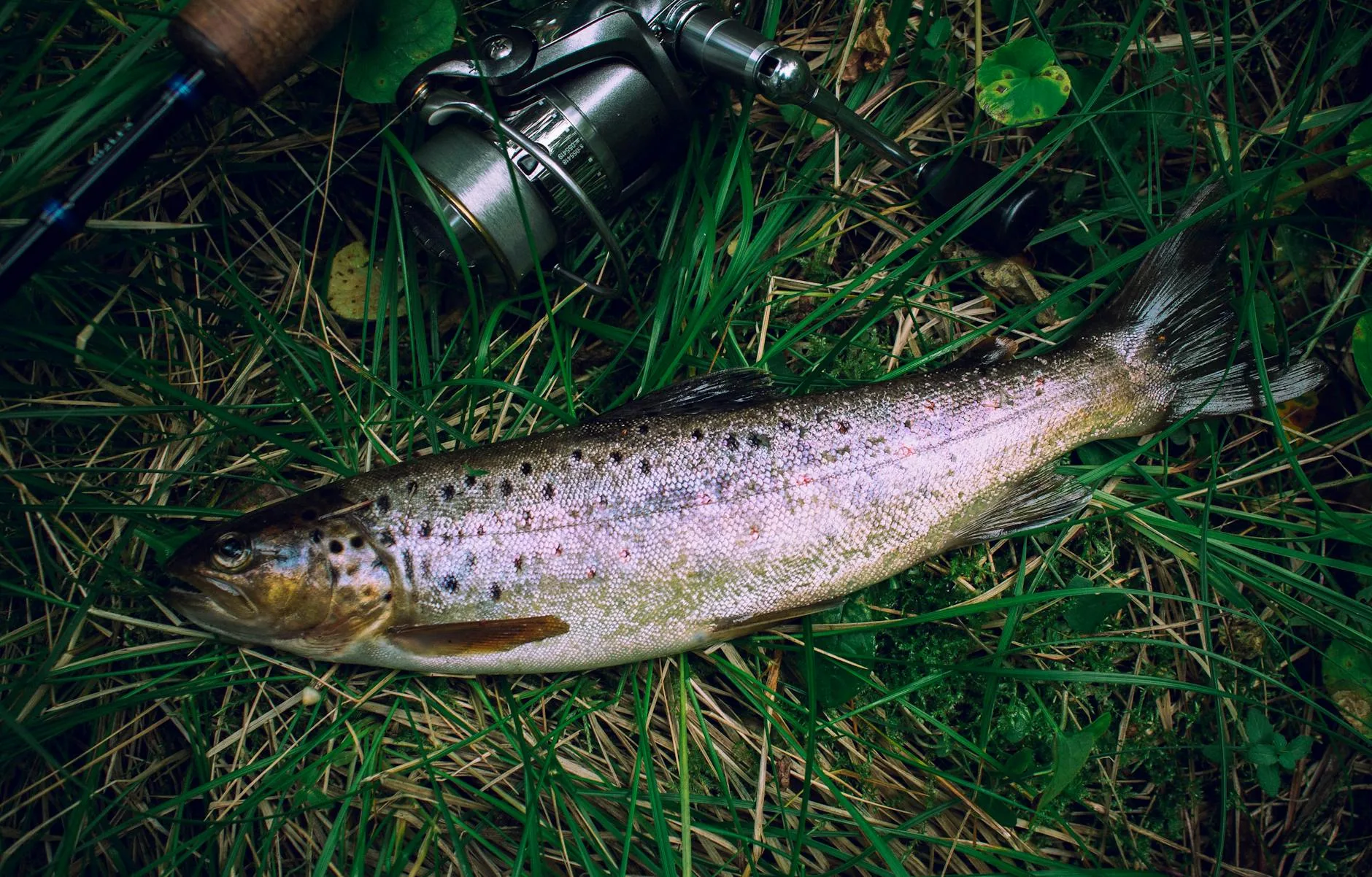
Holter Lake cleared ice ahead of schedule this spring, and the walleye didn’t waste any time. Post ice-out conditions on this Missouri River impoundment are putting up some of the best early-season numbers central Montana has seen in a few years — and if you know which structure to target, these fish aren’t hard to find. Here’s what’s actually happening out there right now.
Current Holter Lake Conditions: Access, Water Temps, and What Ice-Out Changed
Water temps across the main body of the lake are running in the low-to-mid 40s°F as of early May. That’s exactly where you want them. That 42°F to 48°F window is historically when Holter’s walleye bite turns on hardest — fish are actively staging ahead of their spawning push into the upper arms and rocky shallows, and we’re sitting right in the middle of it.
The BLM-managed ramp at Log Gulch Recreation Area is fully open with no reported launch issues. Departure Point up near Wolf Creek is also in good shape. Honestly, if you’re towing anything bigger than a 19-footer, just use Log Gulch — Departure Point’s turnaround is tight and not worth the headache. Holter sits in Lewis and Clark County under Montana FWP Region 4 out of Great Falls. Pull up fwp.mt.gov and check the 2026 regs before you go. Possession limits and size restrictions on walleye have been tweaked in recent years on this drainage, and getting caught off-guard isn’t a great way to end a fishing trip.
The rocky points and submerged structure along the eastern shoreline between Log Gulch and the upper narrows are producing the most consistent walleye reports right now. Fish are holding in 8 to 18 feet of water, tight to rock transitions. Jigs tipped with minnows or paddle-tail swimbaits in chartreuse and white are the go-to. Not finding fish at those depths? Drop down to 22 to 28 feet near the main channel — there’s a secondary population of larger fish that haven’t moved shallow yet.
Missouri River Tailwater Conditions: How the Dam Is Affecting the Bite
Most fishing reports skip this part. Don’t.
Holter Dam’s release schedule controls fish activity throughout the entire impoundment, and right now the Bureau of Reclamation is managing flows to balance spring runoff coming out of Hauser and Canyon Ferry upstream. When releases are low — say, 3,500 to 5,000 CFS — the lake stratifies faster and walleye staging in the upper third of the impoundment become genuinely catchable. When releases spike above 7,000 CFS in response to snowmelt pulses, fish scatter and your bite windows tighten down to early morning and dusk. Know the numbers before you launch.
The Missouri tailwater below Holter Dam down toward Craig is a completely different animal. That blue-ribbon trout section is running cold and clear right now, midge hatches have been consistent through midday, and rainbows and browns in the 14- to 20-inch range are actively feeding. If you want to split a trip between both fisheries — or you’re just not a walleye person — the Craig access site drops you into some of the best dry fly water in the state. Streamer fishing has also been producing well early and late on the tailwater. Big articulated patterns in olive and black are working.
Keep an eye on what Canyon Ferry and Hauser are doing as runoff accelerates. Both reservoirs will start passing more water through the system as the Rockies shed snowpack, and that upstream pulse will eventually compress the tailwater bite window below the dam. Early June is typically the tipping point.
Yellow Perch and Bonus Species Worth Targeting Now
Holter doesn’t get nearly enough credit for its perch fishery. Schools of yellow perch in the 9- to 12-inch range are holding over sandy flats in 12 to 20 feet of water right now, particularly in the mid-lake coves along the western shore. Small tube jigs, jigging spoons, and drop-shot rigs with emerald shiners are cleaning up out there. In my experience, perch are the best backup plan on this lake when walleye turn finicky — the limit rules are typically liberal under FWP regs, but verify your 2026 limits before you load the cooler.
Mountain whitefish are also showing up in solid numbers in the upper lake arms. They’ll occasionally surprise trout anglers who aren’t expecting them. Small nymphs and soft hackles bring them up reliably.
Bottom line: The post ice-out window on Holter is genuinely one of the best short-season opportunities on the entire Missouri River corridor. Get out before runoff peaks, watch the dam release numbers, and keep your walleye efforts focused on that rocky eastern shoreline structure between Log Gulch and the narrows. This bite won’t hold all spring — but right now, it’s firing.