
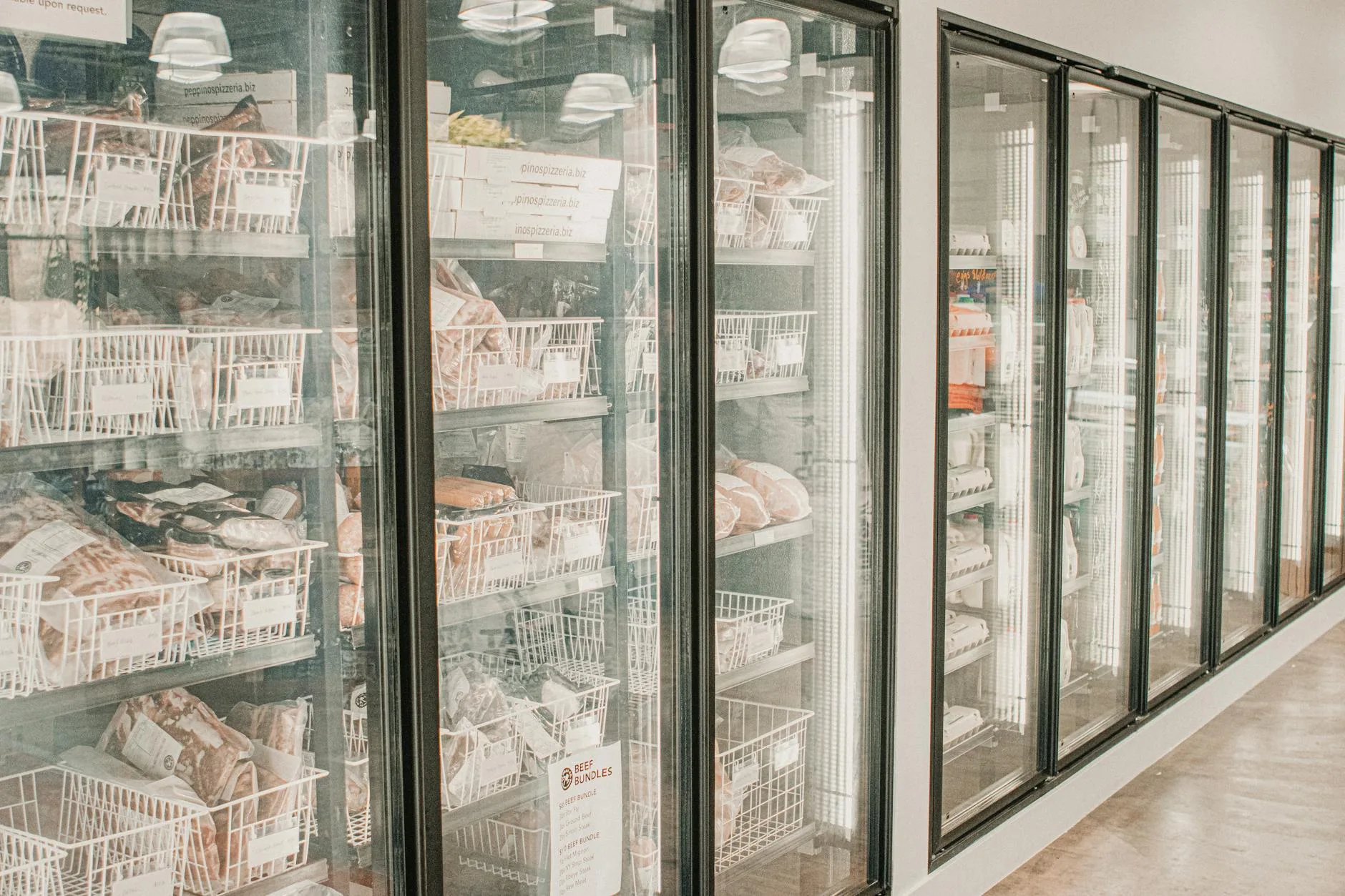
A hunter on a popular outdoor forum said it better than I ever could: a massive oak tree dropped onto power lines down the road, knocked out electricity for four days, and a nearly full deer — weeks of early-season work, tags, gas, and processing fees — turned into a garbage bag. His old dual-fuel generator wouldn’t fire. Every bag of ice in town was gone within hours. Four days later, so was his venison.
If you’ve ever filled a chest freezer after a successful elk hunt near the Beartooth Front, tagged out on whitetails along the Yellowstone River breaks, or packed mule deer out of the Crazy Mountains, you know exactly how much is at stake. A mature bull elk can yield 200-plus pounds of boneless meat. A big whitetail buck from the Missouri River Breaks might put 80 to 100 pounds in your freezer. At current grocery-store prices for comparable organic protein, that’s easily $600 to $1,200 worth of food — and that’s before you count the time, fuel, licenses, and ammunition it took to put it there.
Spring is when this risk gets real. March and April in Montana are notorious for sudden, violent weather swings. A Chinook can turn into a blizzard across the Hi-Line in six hours. Ice storms knock out power to rural properties near Lewistown and Roundup for days at a stretch. And if you’re still working through last fall’s elk or deer supply — which most serious hunters are in mid-March — your freezer right now is probably as full as it gets.
Why Your Old Generator Isn’t Enough
The story above is painfully common, and the villain is almost always the same: a generator that hasn’t been started since October, sitting in a cold garage, with stale fuel in the carburetor and a dead battery. Dual-fuel generators are great in theory. But they require maintenance, testing, and winterization that most people skip. When the lights go out at 11 p.m. during a February ice storm outside of Billings, that’s not when you want to discover your generator is a paperweight.
Honestly, a generator that isn’t tested monthly is a generator you cannot count on. Full stop. If you’re going to rely on a conventional generator, commit to a monthly startup routine, keep the fuel stabilized or run it dry between uses, and store it somewhere it won’t freeze solid. Most people won’t do all three of those things consistently. I’ve met very few who do.
The Better Solution: Battery Backup Systems That Just Work
The technology shift that changes everything for Montana hunters right now is the whole-home or garage-dedicated battery backup unit — systems like the EcoFlow Delta Pro, Bluetti AC300, or Goal Zero Yeti 3000X. These units plug into your existing transfer switch or directly into a dedicated outlet, charge from grid power or solar, and kick on automatically the moment your power drops. No pulling a starter cord in the dark. No running extension cords across a wet garage floor. No carbon monoxide risk if you forget to ventilate.
For a single chest freezer running at standard efficiency, a 2,000- to 3,000-watt-hour battery system will keep your game frozen for 24 to 48 hours — though actual runtime depends on your freezer’s wattage draw, ambient temperature, and how often the compressor cycles. In a cold Montana garage in March, conditions typically favor the longer end of that range, which matters when you’re waiting on a line crew to restore service after a wind event in the Bitterroot Valley.
- For single-freezer setups: A 2,000Wh portable power station is a solid entry point, costs $800–$1,200, and pulls double duty for camp power and hunting trips.
- For dual-freezer setups or more serious protection: Step up to a 3,000–5,000Wh system with a transfer switch connection — EcoFlow’s Smart Home Panel or Bluetti’s EP500 series handles this cleanly. If you want whole-garage coverage, look at a stackable battery system like the EcoFlow Delta Pro Ultra or a Powerwall-style install, ideally paired with a small rooftop or ground-mount solar array. Rural Montana properties with good southern exposure — think anything from the Boulder Valley to the Stillwater corridor — can realistically offset the cost over five to seven years.
Non-Electrical Backup: Old-School Insurance That Still Works
Battery systems are the best modern answer, but don’t ignore the low-tech layer either. A well-packed chest freezer stays cold longer than a half-empty one. Fill empty space with frozen water jugs — they act as thermal mass and keep temperatures stable for hours after the power drops. A full freezer can hold safe temperatures for 48 hours if you keep the lid closed. A half-empty one buys you maybe 24. It’s a free fix you can do this weekend.
Build a relationship with a local USDA-inspected meat locker before you need one. Places like Montana Meat Processors in Bozeman, custom butchers in Great Falls, or small-town lockers in communities like White Sulphur Springs often have commercial cold storage and will hold your product during an emergency — but only if you’ve called ahead and established that relationship. Don’t try to arrange this during an active outage when every hunter in the county is calling the same number. That’s a bad day to be making introductions.
Get Ahead of It Now
March is the right window to solve this before next fall’s meat hits the locker. The gear is in stock, prices are stable before summer demand spikes, and you have time to test everything before October. Here’s where to start: pull your generator out today and try to start it — not in October. Price out a battery backup system sized for your freezer load. Fill any empty freezer space with water jugs right now to build thermal mass. Call your local meat locker and establish an emergency contact before you ever need one. And check whether your homeowner’s or farm policy covers spoilage from a power outage — some do, most people have no idea, and it takes one phone call to find out.
In my experience, the hunters who lose meat aren’t the ones who didn’t care. They’re the ones who meant to deal with it and didn’t get around to it. Don’t be that guy staring at a garbage bag in April.