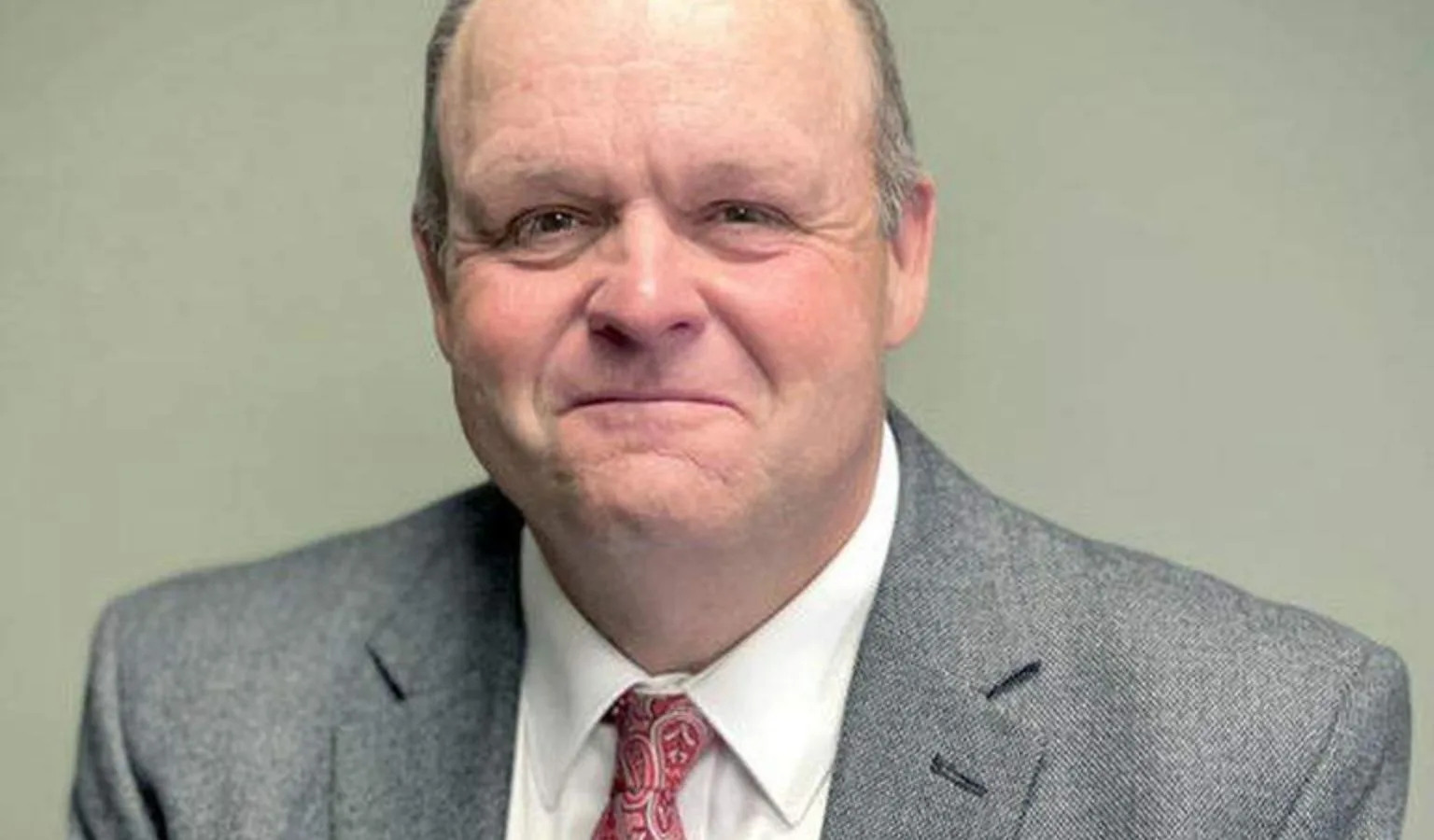
Talk about a conflict of interest. Idaho Fish and Game Commissioner Brody Harshbarger is currently trading his seat at the regulatory table for a seat in the defendant’s chair after being hit with seven misdemeanor charges in Fremont County. Allegedly, according to an article via the Idaho Statesman, the man responsible for overseeing Idaho’s hunting seasons decided to create his own “bonus round” by taking down two bull elk—one a “six point”—without a valid tag, from a motorized vehicle, and across a public road.
To top off this masterclass in what not to do during elk season, authorities claim the duo trespassed on private property and skipped the mandatory “ask for permission” part of the retrieval process. It’s quite the strategy for an Upper Snake Region Commissioner, but as the saying goes, “rules for thee, but not for me” rarely holds up when a conservation officer is holding a citation.
With a pretrial conference set for late April, Harshbarger has “voluntarily postponed” his official duties, likely to spend more time explaining to a judge why a high-ranking official was allegedly shooting from the driver’s seat. While he’s pleaded not guilty, the optics are about as clear as a mountain stream: a Fish and Game appointee getting caught in a Citizens Against Poaching sting is the kind of irony that even Idaho’s legendary backcountry couldn’t hide.
Whether this leads to a permanent license revocation or just a very awkward apology to the Governor, it’s a stiff reminder that in the world of Idaho elk hunting, the law has a much longer reach than a 30-06.
What Montana Hunters Should Be Doing Right Now
This isn’t a call to cynicism. It’s a call to engagement. Before spring seasons hit full stride, there are a few things worth doing. Save the TIP hotline — 1-800-TIP-MONT — in your phone right now….or just remember it. Find your regional warden supervisor’s office whether you’re hunting out of Missoula, Bozeman, Havre, or Glasgow. Knowing who to call before something goes sideways is a lot better than scrambling after.
Start watching FWP Commission meetings, or at least reading the minutes. The commission sets seasons and quotas for everything from elk in HD 110 near the Beartooths to antelope in the Powder River country. Public comment periods are real, and they’re badly underused by hunters who then complain about the outcomes. Show up. Speak up. That’s how the process is supposed to work.
- Follow the appointment process. Montana’s FWP commissioners are gubernatorial appointments. Know who sits on that commission, what their background is, and whether they have conflicts of interest. The Wooten situation shows exactly why this matters.
- Support full warden staffing — loudly. Contact your state legislators and the FWP director’s office. Frame it simply: vacant posts heading into spring season is a poaching invitation. Hunters who care about fair chase should care about enforcement capacity.
And if something doesn’t look right in the field — a gut-shot deer left to waste near the Rocky Mountain Front, a turkey tag not filled out, a road-hunting operation on posted land outside the Bridgers — make the call. The TIP line even sometimes pays cash rewards and will always keep reports confidential. Don’t talk yourself out of it.
The Bigger Picture Heading Into Spring Season
Montana’s elk herds on the Gallatin, the mule deer country along the Musselshell, the spring turkey populations building in the Ponderosa pine country south of Lewistown — all of it exists because generations of hunters demanded accountability from the agencies and officials managing those resources. That demand doesn’t stop at the trailhead. It never has.
The Wooten story is not good for the Idaho agency and damaging to the culture of hunting legitimacy that all of us depend on. The right response isn’t to shake your head and scroll past. It’s to look hard at the institutions managing Montana’s wildlife, ask serious questions about who holds oversight roles, and insist that the standard applied to every elk hunter in the field applies equally to everyone sitting in a commission chair. In my experience, the hunters who stay engaged with that process — even when it’s tedious, even when it feels like nothing changes — are the ones who actually move the needle over time.
Spring seasons open with or without full enforcement coverage. Make sure you know who’s watching — and who should be!
Feature photo via Idaho Fish and Game