
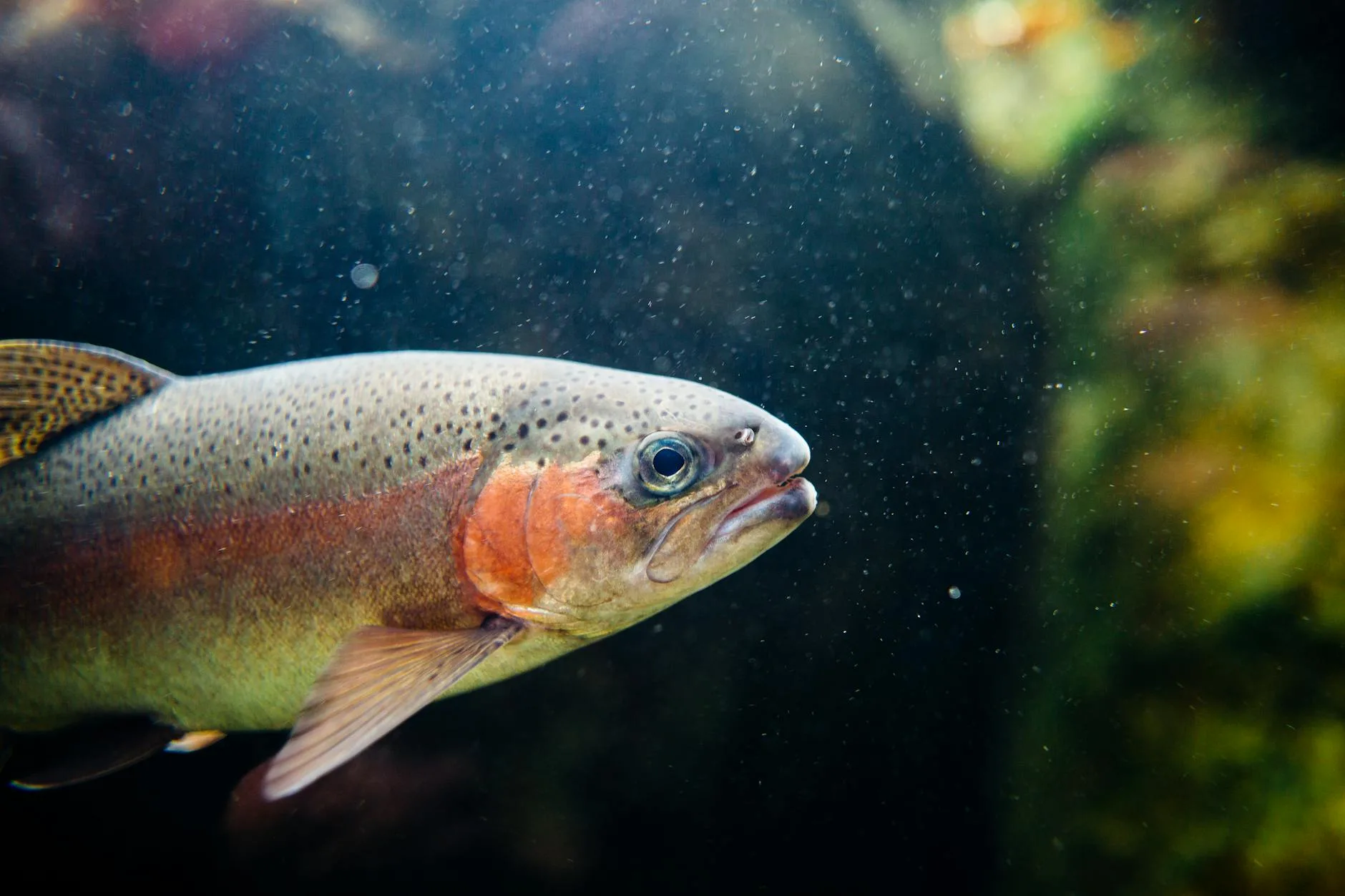
The Missouri River below Holter Dam is fishing as well right now as it will all year — and most people haven’t figured that out yet. Late March delivers big, aggressive rainbows, water clarity that’s still holding strong, and crowds that haven’t caught up to the opportunity. That changes fast. Snowpack across the Rockies is loaded, temperatures are starting to swing, and when runoff kicks in earnest, the Mo’s famously clear tailwater conditions can collapse in 48 hours. This week might genuinely be your best shot until July.
Why This Window Matters
The Missouri below Holter Dam is one of Montana’s most productive blue-ribbon fisheries, and its tailwater nature keeps it clear and fishable long after freestone rivers like the Blackfoot or the Smith turn to chocolate milk in spring. But even the Mo has limits. As snowmelt accelerates through the surrounding hills and tributaries start pushing water into Canyon Ferry, Hauser, and Holter reservoirs, the Army Corps manages releases more aggressively. When outflows climb and the Dearborn River starts contributing muddy water below Craig, that gin-clear visibility you’re counting on disappears — sometimes overnight.
Right now, flows out of Holter Dam are in a fishable range, and clarity through the Craig-to-Cascade corridor is about as good as late March gets. Big rainbows that stacked up through winter are actively feeding, starting to think about pre-spawn movement, and responding to presentations they’ve been ignoring since October. Aggressive fish, clear water, manageable flows — that combination won’t last, and if you’ve fished this river long enough, you know exactly what I mean.
Where to Focus: Craig to Cascade
If you’ve got limited time, put your energy between Craig and Cascade. This roughly 30-mile stretch is the heart of Missouri River rainbow country and holds the highest density of fish over 20 inches. Wade anglers should target the rocky riffles and tailouts just downstream from Craig itself — the boat ramp there is a logical staging point, and in late March flows you can wade both banks effectively without needing a drift boat.
That said, if you can get in a drift boat or raft, the Craig-to-Cascade float opens up long braided mid-river structure that holds the biggest fish right now. Pay close attention to seams where faster current drops into slower water on inside bends. Any submerged weed beds that survived winter are worth a few extra drifts too — rainbows are using them as ambush points before full spring activity kicks in.
Nymphing Rigs Working Right Now
Missouri rainbows eat midges year-round, and late March is still very much a midge game. That said, you can start mixing in some early-season staples that weren’t producing a month ago. The Zebra Midge in size 18-20 — black bead, red wire, black thread — is still the baseline. Run it as your point fly 18-24 inches below your anchor. Pair it with a Juju Baetis or RS2 in size 20-22; BWO activity is picking up on warmer afternoons, and baetis imitations are producing in the late morning window, especially in slower runs. Use a Pat’s Rubber Legs or a small stonefly nymph in size 8-10 as your anchor fly — it gets you to the bottom fast and triggers big fish holding in deeper slots.
For your indicator setup, run a 9-foot 4X leader with a size 3-4 Thingamabobber set at 6-7 feet in deeper runs. Don’t be afraid to go long. Missouri fish are educated and will refuse a dragging fly without hesitation.
Streamers for the Biggest Fish
Honestly, if you want a shot at a personal-best rainbow — the kind of fish that makes you forget everything else — throw streamers. Pre-spawn fish on the Mo are territorial and aggressive, and a well-presented streamer in late March can produce fish that dwarf what you’d catch on a nymph rig all day.
- Sculpzilla or Galloup’s Sex Dungeon (size 4-6) — olive and white, or natural brown. Strip it with irregular pauses along cut banks and structure.
- Slump Buster or Conehead Woolly Bugger (size 6) — black or olive, swung across current and allowed to hang in the seam at the end of the drift.
Run a 6-weight minimum with an intermediate or sink-tip line. Rio’s InTouch Streamer line handles the Mo’s varied depths well. Go lighter and you’ll be fighting the river more than the fish.
Regulations and Logistics
The Missouri from Holter Dam downstream is catch-and-release only for rainbow trout in certain sections — know your regs before you launch. Grab the current Montana Fishing Regulations from FWP or confirm online at fwp.mt.gov. Licenses are required for anyone 12 and older.
Craig is your basecamp. The Missouri River Trout Shop has current conditions intel and guides who have eyes on the water every single day — call ahead and ask what’s happening right now. They’ll tell you whether clarity is holding or starting to drop, which beats any report you’ll find online.
The Clock Is Running
Watch the USGS streamflow gauge at Ulm (waterdata.usgs.gov) and keep an eye on the weather pattern across the Belt Mountains and Little Belts this week. When overnight lows stop dropping below freezing and daytime highs push into the 50s consistently, the transition accelerates fast. The Mo will fish beautifully right up until it doesn’t — and that shift can happen in 48 hours. Get down to Craig while the window’s still open.