
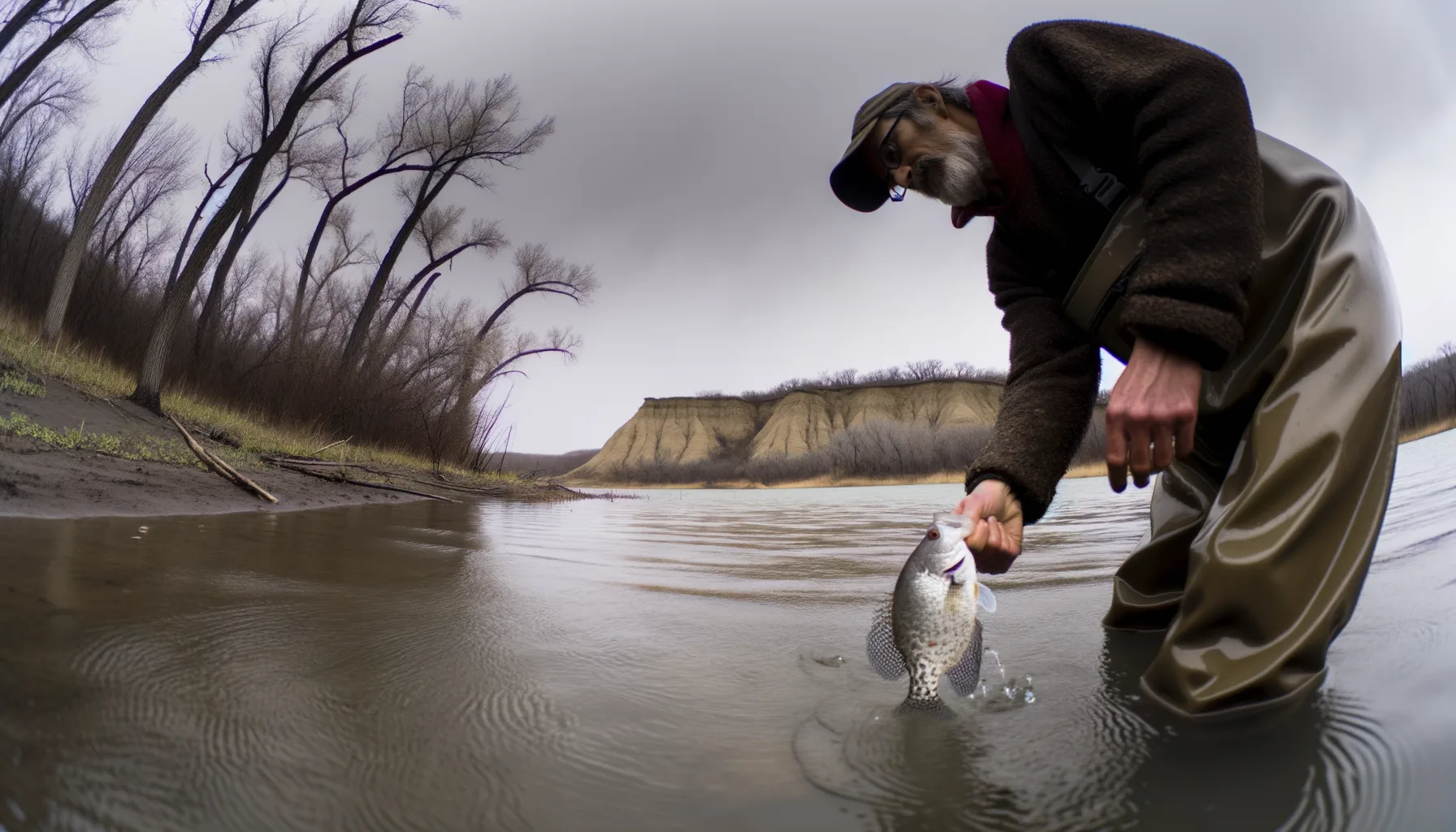
While most Montana anglers are stuck in that restless limbo between ice fishing season and the first real trout hatches of spring, a surprising number of crappie are sliding into the shallows of the state’s warmwater reservoirs and lakes right now — and almost nobody’s targeting them. That’s your advantage. Mid-March 2026 is shaping up to be a prime ice-out crappie window, and if you know where to look and what to throw, you can pile fish into the cooler while everyone else is watching the Yellowstone run muddy.
Why Ice-Out Is the Best-Kept Secret in Montana Fishing
Here’s the biology that makes this window so good: as ice pulls back from the shallower bays and coves of Montana’s warmwater lakes, water temperatures in those areas climb faster than the main basin. Crappie — both black and white crappie are present in many of our lowland reservoirs — are drawn to that warming water like a magnet. They’re not spawning yet. That comes when water temps hit the mid-60s, usually late May or June in Montana. Right now they’re staging, stacking up near the first available structure in water that might only be four to eight feet deep, feeding aggressively to rebuild energy after a hard winter.
This staging behavior is predictable and repeatable. Same areas, same depths, same general timing year after year. Once you find them once, you’ll go back every March for the rest of your life.
Where Montana Crappie Live: The Right Waters
Forget the blue-ribbon trout rivers for this one. You want the flatland reservoirs and natural warmwater lakes in the eastern half of the state, the Missouri River system impoundments, and a handful of western Montana lowland lakes. Some of the most productive crappie fisheries in Montana include:
- Fort Peck Reservoir — The granddaddy of Montana crappie waters. The creek arms and back bays, particularly around the Hell Creek and Rock Creek arms, produce limits of black crappie during ice-out staging. Focus on the first timber and brush you find in less than eight feet of water.
- Fresno Reservoir near Havre — An underappreciated Hi-Line fishery with a solid crappie population and very light pressure in early spring.
- Nelson Reservoir in Phillips County — Small, productive, and close enough to Malta that it’s worth a day trip. The shallow north end warms fast after ice-out.
- Lake Elmo in Billings — Yes, a city park lake. But it holds good crappie numbers and is accessible to anyone in the Billings area looking for fast action right now.
- Tongue River Reservoir near Decker — Southeast Montana’s best-kept warmwater secret, with both crappie and white bass sharing the same shallow staging areas in spring.
Tactics That Work Right Now
Ice-out crappie are not picky, but they are deliberate. Water temps are still in the low 40s to low 50s at most of these fisheries right now, which means the fish are active but not burning a ton of calories chasing fast-moving presentations. Slow down — that’s the single most important adjustment you can make.
Gear Setup
Light spinning gear is ideal. A 6-foot, light-action rod with 4- to 6-pound monofilament or a 6-pound braid-to-fluorocarbon leader setup gives you the sensitivity to feel the subtle tick of a cold-water crappie bite. These fish don’t smash a lure in March — they inhale it and sit there. You have to be paying attention.
Lures and Presentations
Small tube jigs and curly-tail grubs in the 1/32- to 1/16-ounce range are go-to producers. White, chartreuse, and pink are reliable colors in Montana’s often-stained reservoir water. Thread a small grub onto a light jig head and work it with a slow lift-drop retrieve just above any submerged brush, dock pilings, or rocky points. Suspended under a small slip float is arguably even more effective right now — set the float so your jig hangs at the depth the fish are holding, usually two to five feet down in shallow staging areas, and let the wind do the work.
Live bait anglers shouldn’t overlook small fathead minnows, which are available at bait shops in most eastern Montana towns. A minnow under a small bobber in a sheltered cove is about as simple and effective as fishing gets.
Regulations Worth Knowing
Montana Fish, Wildlife & Parks currently has no statewide daily bag limit on crappie — they fall under the general warmwater fish regulation, which allows 25 fish per day in most waters. That said, always check the specific reservoir regulations in the current FWP fishing guide, as some waters like Fort Peck carry specific slot or size restrictions. A quick check at fwp.mt.gov before you go takes two minutes and keeps your limit legal.
The Window Is Short — Go Now
The beauty of this ice-out crappie pattern is also its limitation. Once water temperatures climb into the upper 50s, typically by late April in eastern Montana, the fish scatter back toward deeper structure and become much harder to pattern. Right now, in mid-March, they’re concentrated, hungry, and sitting in predictable spots. The rivers are still running clear in most drainages, the reservoirs are accessible, and the crowds that will descend on the Madison and Gallatin come May are nowhere to be found.
Pack a light spinning rod alongside your trout gear this weekend. You might discover that the best fishing in Montana right now has nothing to do with a hatch chart.