
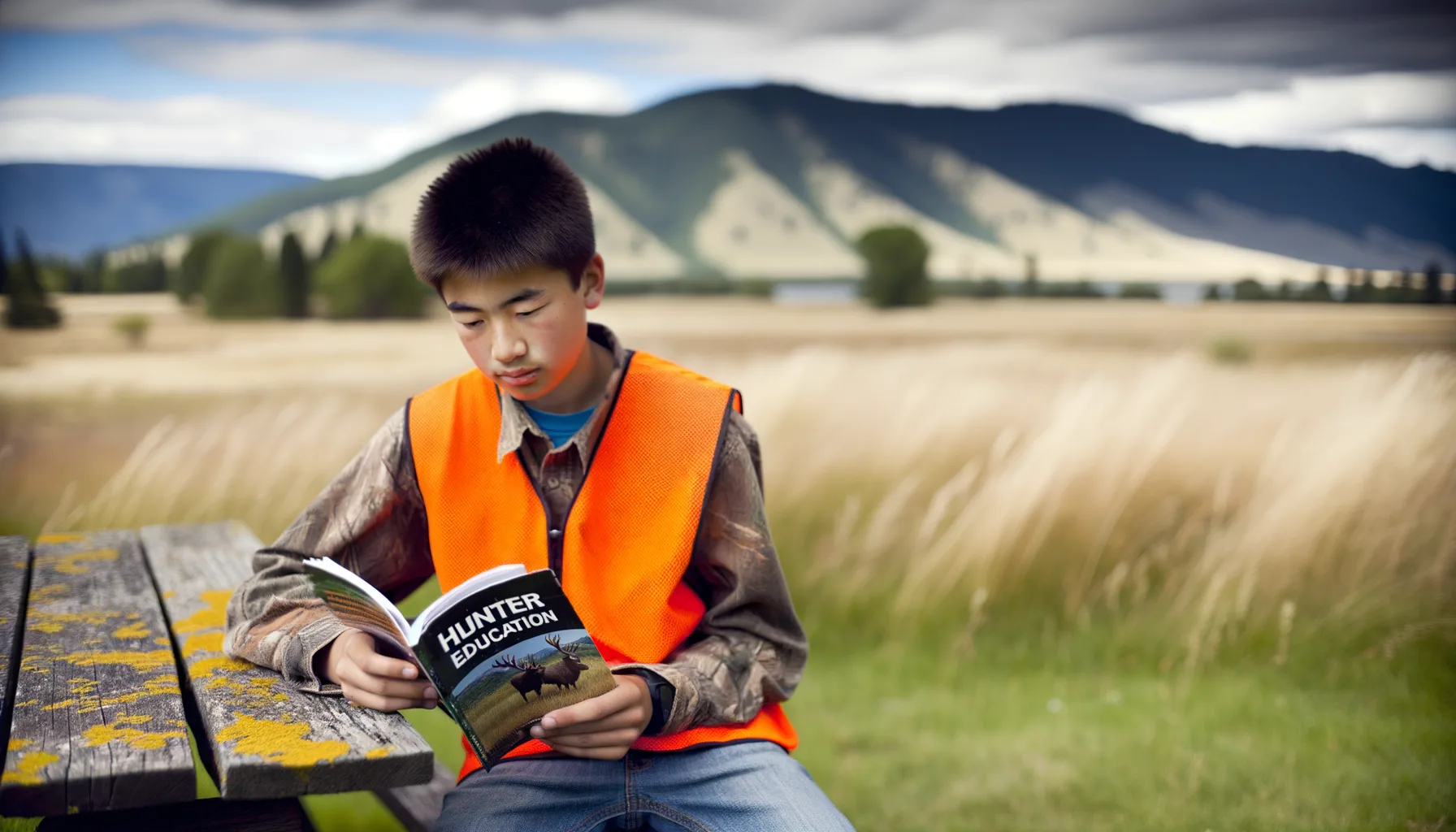
If you’re planning to hunt in Montana for the first time this fall — or you’ve got a kid who’s finally old enough to tag along — spring is not the time to sit on your hands. Montana Fish, Wildlife & Parks is rolling out hunter education in-person classes and field days across central and eastern Montana right now, and if you miss this window, you may find yourself watching opening day from the couch. The certification process takes time, spots fill up fast, and the fall 2026 draw deadlines don’t care whether you finished your coursework or not.
Why Spring Is the Critical Window
Montana requires all first-time hunters born after January 1, 1985 to complete a certified hunter education course before purchasing a hunting license. No exceptions. That means before you can apply for a deer B license, chase pheasants in the Milk River country, or put in for one of FWP’s coveted elk districts in the Bob Marshall Wilderness drainage, you need that card in your wallet.
Here’s where timing gets tight: Montana’s big game combination license application period and many special permit draws open in the spring. If you haven’t completed hunter education by the time those windows open, you’re locked out for an entire season. For a first-time hunter eyeing a mule deer tag in the Missouri Breaks or an antelope permit east of Lewistown, that’s a full year of waiting — and in Montana’s increasingly competitive draw system, that’s a real cost.
What the Course Actually Looks Like
Montana FWP offers two primary pathways to certification. The first is a traditional in-person class that covers firearm safety, wildlife identification, hunting ethics, survival basics, and Montana-specific regulations. These sessions are typically held over a weekend or across several evenings and include a mandatory field day where students demonstrate safe gun handling and basic hunting skills in a hands-on setting.
The second option is an online course through the FWP-approved platform, followed by an in-person field day. The online format is popular with adults who can’t commit to a fixed classroom schedule, but don’t skip the field day — it’s required, and those slots book up just as fast as the full in-person courses. Several field day opportunities for online students are currently being offered across central and eastern Montana, including the Glasgow area, making this a realistic option even for folks in more rural corners of the Hi-Line and Yellowstone country.
Finding a Class Near You
Montana FWP maintains an up-to-date course finder at fwp.mt.gov — it’s the single most important link a new hunter in this state should bookmark right now. You can search by region, date, and format. Classes are offered statewide, from Billings and Great Falls to smaller communities like Havre, Miles City, and Glendive. In western Montana, sessions regularly pop up in Missoula, Kalispell, and Hamilton, often filling within days of being posted.
- Central and Eastern Montana: Watch for sessions in Glasgow, Lewistown, Sidney, and Wolf Point — FWP has specifically highlighted this region for upcoming spring availability.
- Western Montana: Classes in the Flathead Valley and Missoula typically align with early spring, so check now for April and May openings.
- Online + Field Day: If your schedule is unpredictable, start the online course immediately and lock in a field day date before they disappear.
Tips From the Field: Don’t Wait on This
Experienced Montana hunters know this story well — every fall, someone shows up at a sporting goods counter in Billings or Bozeman asking about a license and realizing they never finished their certification. Don’t be that person. Here’s what to do right now:
- Register today. Seriously. Log onto fwp.mt.gov, find the nearest class with open seats, and register before this article finishes loading.
- Bring the right gear to your field day. Wear layered clothing appropriate for Montana spring weather — field days happen outdoors regardless of conditions. Dress for wind and cold, especially on the Hi-Line.
- Study the Montana hunting regulations beforehand. FWP publishes the annual regulations booklet online. Familiarity with Montana-specific rules — seasons, district boundaries, antler restrictions — will make you a more confident student and a better hunter.
- Bring your kids. The minimum age for Montana hunter education is 10 years old. If your child is turning 10 or 11 this year, get them into a spring class so they’re ready to apply for youth deer licenses and participate in the fall seasons.
The Bigger Picture: Investing in Montana’s Hunting Future
Hunter education isn’t just a bureaucratic hurdle. It’s the foundation of safe, ethical hunting culture — the kind that keeps access to Montana’s public lands intact and maintains the trust between hunters and non-hunting Montanans who share this landscape. The Beartooth Front, the Missouri River Breaks, the Powder River country — these places are open to hunters in large part because we’ve demonstrated that we take safety and stewardship seriously.
If you’re mentoring a new hunter this year, consider taking the course alongside them. Your experience is invaluable, but there’s no substitute for going through the process together.
Spring in Montana moves fast. The snow is still on the Crazy Mountains, the ice is barely off the Fort Peck Reservoir shallows, and fall feels like a long way off. It isn’t. Get certified now, and you’ll spend the rest of the season doing what matters — scouting, planning, and putting yourself in position for one of the best falls Montana has to offer.