
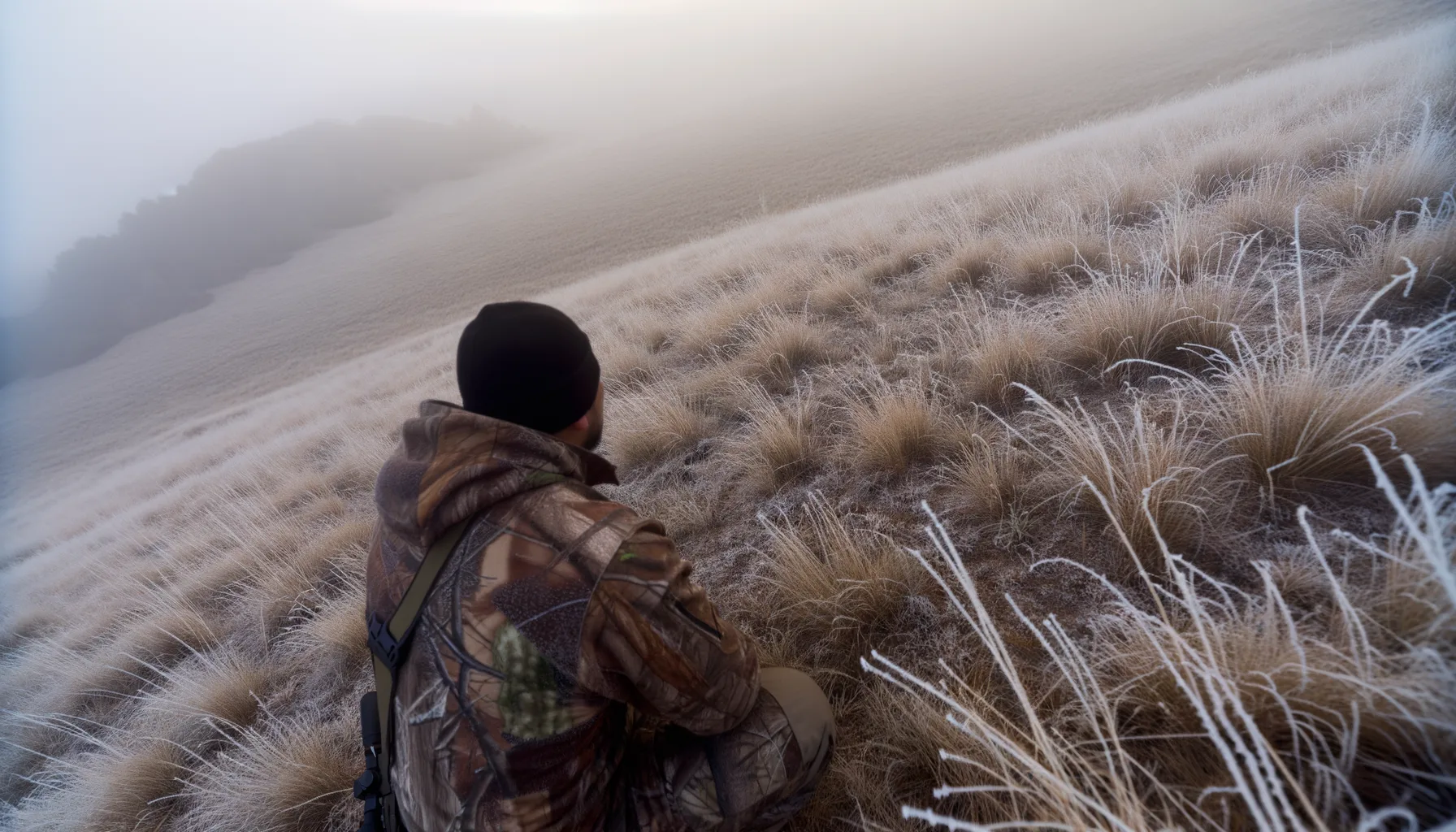
If you’ve spent any time glassing elk on the Rocky Mountain Front, pulling browns out of the Bitterroot, or waiting on a mule deer tag for the Missouri Breaks, you already understand that hunting and fishing rights in Montana aren’t abstract political talking points. They’re the difference between a full freezer and a wasted season. That’s why a convergence of state legislation and renewed federal attention on sportsmen’s rights deserves a hard look from every Montana hunter and angler heading into the 2026 draw and season calendar.
Proposed Resident-First Legislation: What It Would Actually Do
A proposed measure being discussed under the working title of the Montana Hunters First Act — developed in collaboration with FWP — represents one of the most direct legislative pushes in recent memory to prioritize resident hunters on Montana’s public and accessible private lands. (Editor’s note: This bill had not been confirmed as enacted legislation at time of publication. Readers should verify current status with the Montana Legislature’s official tracking system.) The proposal comes in direct response to a documented pattern: out-of-state hunters, some well-resourced enough to lease camps for an entire season, have been systematically displacing longtime Montana residents from hunting areas they’ve worked for decades.
According to FWP license sales data, Montana issues approximately 85,000 out-of-state hunting licenses annually. To put that in perspective, that’s enough nonresident hunters to fill every seat in Missoula’s Washington-Grizzly Stadium more than three times over — and send them all into the field at the same time. On limited-access drainages near Lewistown, in the Flathead’s Swan Valley, or in the Bull Mountains east of Billings, that kind of pressure doesn’t just crowd your favorite spot. It changes elk behavior, pressures deer herds, and can knock a hard-hunted unit back years in terms of quality hunting.
The proposed legislation wouldn’t slam the door on nonresident hunters entirely — Montana’s outfitting industry is a real economic engine and nonresident dollars fund real conservation. But it would establish a priority framework that ensures Montanans aren’t getting shouldered out of their own backyard.
How Federal Momentum Reinforces Montana’s Direction
At the federal level, executive attention has recently turned toward codifying and protecting the hunting and fishing rights of American sportsmen across public lands. For Montana — where over 30 million acres of public land are managed by the USFS, BLM, FWS, and NPS — that matters in tangible ways. Federal directives that emphasize sportsmen’s access reinforce state-level efforts to keep roads open, maintain wildlife habitat corridors, and resist pressure to close or encumber public land that Montana hunters depend on.
Think of the ongoing access fights on the east side of the Beartooths, or the perennial struggle to keep BLM two-tracks open in the Pryor Mountains and the Big Snowy country south of Lewistown. Federal prioritization of hunting access gives state agencies and local advocacy groups stronger footing when those battles heat up — and in 2026, with several forest plan revisions and grazing allotment renewals on the docket, those fights are coming.
Montana’s Stream Access Law: A Right Worth Defending
One area where Montana already leads the country — and needs to keep leading — is stream access. Montana’s Stream Access Law, affirmed by the state Supreme Court in 1984 and clarified in 1985 legislation, guarantees the public the right to use the state’s rivers and streams for recreation up to the ordinary high-water mark. That means you can float the Yellowstone through private ranch country, wade the Ruby River near Alder, or fish the Smith River corridor without a landowner’s permission, as long as you access legally and stay below the high-water line.
This law is not guaranteed forever. It faces recurring legal challenges, and any erosion of federal support for public recreation rights creates downstream pressure on state laws like this one. If you’ve never contacted your state legislators to voice support for stream access protections, now — before the 2026 legislative session wraps up — is the time to do it.
What This Means for Your 2026 Draw Applications
Practically speaking, here’s what Montana hunters should be doing right now:
- Check your 2026 draw deadlines. FWP’s big game combination license and preference point applications typically open in late winter and close in mid-spring. Don’t miss the window for elk, deer, antelope, and mountain goat districts where any enacted resident-priority framework may affect nonresident quota allocations.
- Review any new quota changes in your target district. If resident priority language shifts nonresident allocations in key hunting districts — like HD 680 in the Missouri Breaks or the Gravelly Range units near Ennis — that could actually improve your odds as a Montana resident. Read the updated regulations carefully.
- Verify your fishing license is current. Spring runoff fishing on the Blackfoot, Clark Fork, and Big Hole kicks off fast. Montana does not have broad reciprocity agreements with neighboring states — your Wyoming or Idaho license does not work here.
- Get involved locally. FWP commission meetings are open to the public. If access, license quotas, or stream regulations in your area matter to you, show up. Resident-priority proposals like the one described here demonstrate that sustained advocacy from Montana sportsmen makes a real difference.
The Bottom Line
The 2026 season and draw cycle is shaping up to be a pivotal year for Montana hunters and anglers. Whether you’re chasing a bull in the breaks, casting dries on spring creeks, or simply trying to get your kids into the field without competing for parking at every trailhead, the policy decisions being made right now will determine what kind of access you have — and whether Montana remains a state where residents come first on their own public land.
Stay informed, stay engaged, and don’t take your hunting and fishing rights for granted. They’re worth defending.