
Pyramid Mountain Lumber shutting down didn’t just cost Seeley Lake jobs — it knocked the wind out of the whole town. But while people were still figuring out what came next, a coalition of trail builders, Forest Service rangers, and local businesses was already swinging Pulaskis on something that could reshape how hunters, anglers, and backcountry users get into the wild country east of town.
The new Seeley Lake trail system is a $1.2 million, 30-mile network designed to open up front-country recreation and serve as a real staging point for deeper backcountry access. If you hunt the drainages off Highway 83 or fish the high lakes above Seeley, this thing is about to change how you operate.
What’s On the Ground Right Now
Work started last fall. The first phase — funded through Missoula County bond money, Forest Service dollars, private contributions, and in-kind labor — is building the backbone loop that anchors the whole system. Scenic Montana Trails, the nonprofit leading the effort alongside the Lolo National Forest, just locked in $250,000 from Missoula County to keep momentum going.
Within 18 months, project partners expect 18 miles of bike trails to be rideable, including a youth racecourse. The full 30-mile network hits completion by 2029, with advanced downhill options, perimeter loops, and wayfinding that ties into the existing Seeley Creek Nordic Area.
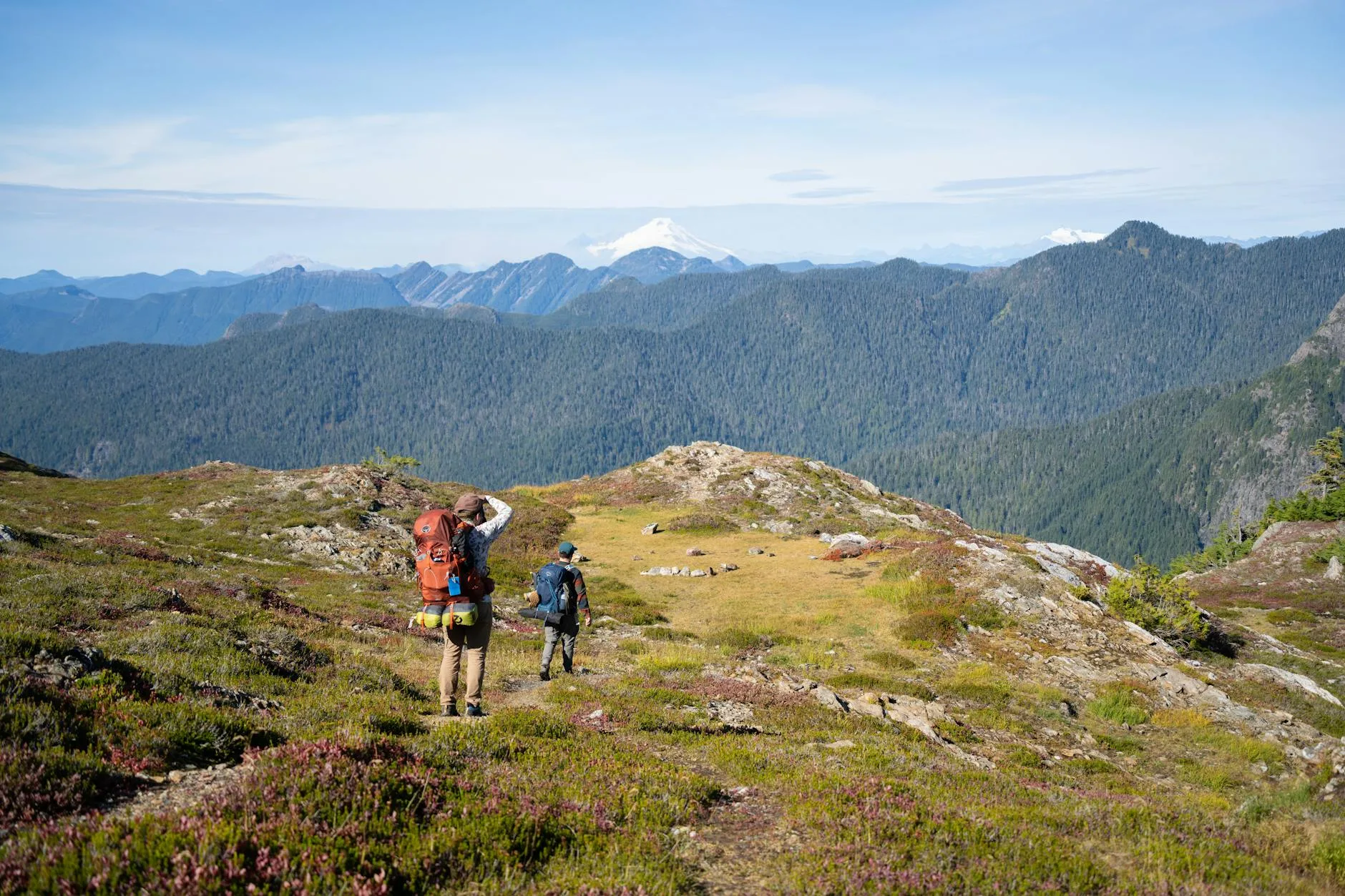
Here’s what matters for those of us who actually use these mountains: this isn’t just singletrack for weekend warriors. The system is being designed for year-round access and real connectivity to backcountry zones that have historically required longer, rougher approaches to reach.
Why This Matters Beyond the Trailhead
Montana’s outdoor recreation economy isn’t some abstract talking point. In 2024, it paid out $1.8 billion in wages and accounted for nearly 5% of the state’s GDP. Only Hawaii beats us. Seeley Lake has always been a gateway town — wedged between the Bob Marshall Wilderness to the east and the Mission Mountains to the west — but it’s never had the kind of purpose-built trail infrastructure that draws consistent visitation year after year.
That’s the gamble. Kevin Doherty, the district ranger in Seeley Lake, didn’t sugarcoat it: “With the mill going down, it’s really wrecked town.” This trail system is a bet that if you build something rare and well-executed, people will drive for it. Honestly, in a state where trailheads can be 40 miles apart and access is constantly choked by private land or overgrown two-tracks, a dialed system with genuine connectivity is worth the trip — and worth the investment to build it right.
What Hunters and Anglers Should Know
If you hunt elk or whitetail in the Seeley-Swan corridor, pay attention. New trail access brings new pressure, no question — but it also means better logistics for getting into country that currently just beats you up on the approach. The upper perimeter loop will run a high route along the ridgelines, which is exactly what you want for glassing during archery season or reaching alpine basins without burning a full day just getting there.
For anglers, the system will improve access to high-country lakes and headwater streams that right now demand either serious bushwhacking or a long, ugly packout. If you’ve fished the drainages above Seeley and dealt with blowdown and unsigned junctions, you already know what a difference maintained trails and decent wayfinding make. It’s not a small thing.
The Nordic integration is worth noting for winter users too. Year-round access for scouting, shed hunting, or late-season predator calling — without relying on a sled — opens up options that most Seeley-area hunters haven’t had before.
The Bigger Picture
Seeley Lake isn’t the first Montana town to lean into trails as economic infrastructure. Whitefish, Bozeman, and Missoula have all watched purpose-built systems anchor tourism and keep local businesses alive. But rural communities like Seeley don’t have the same tax base or development pressure to fall back on. In my experience, that’s where these projects either prove themselves or fall apart — small towns need trails that actually deliver access, not just amenity loops that look good on a grant application.
The coalition behind this one — Seeley Lake Nordic Club, Radius Trail Solutions, Glacier Country, and a roster of local businesses — suggests the right people are at the table. Whether the trails deliver what they’re promising is still the question.
If you’re planning to hunt or fish the Seeley-Swan in the next few seasons, keep this project on your radar. By fall 2027, the bones of this system will be rideable, hikeable, and huntable. By 2029, it could be one of the best trail networks anywhere between Glacier and Yellowstone — and a legitimate model for what a timber town looks like on the other side of a hard transition.
Source inspiration: Missoula Current