
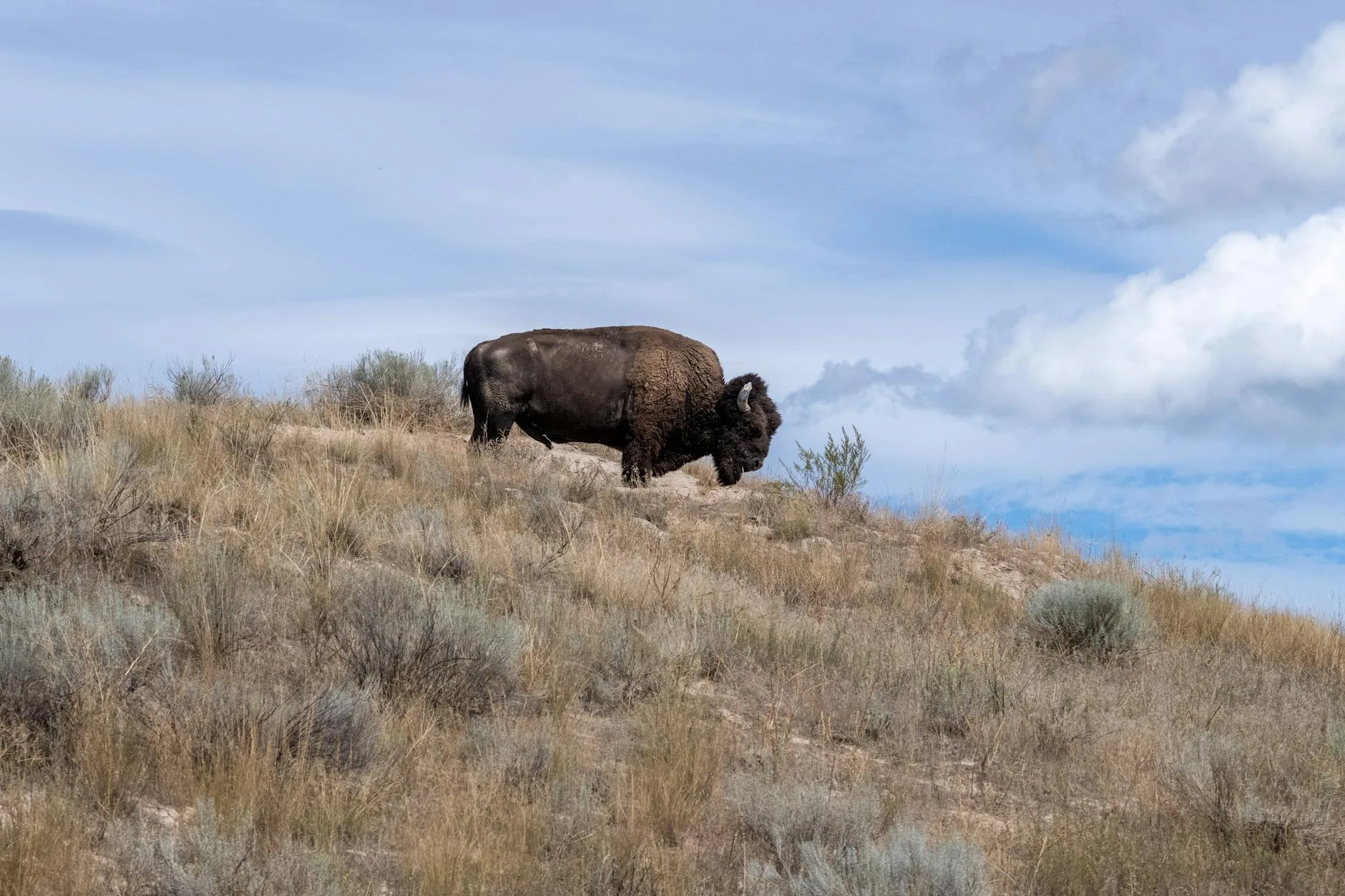
Somewhere between 30 and 60 million bison once roamed what is now Montana — some estimates push that number to 80 million — and within roughly two decades, they were gone. Not thinned out. Gone. Every elk tag in your wallet, every draw deadline you stress over in August, every public comment meeting FWP holds in Billings or Missoula over deer permit cuts — all of it traces back to that erasure.
What Actually Happened on Montana’s Plains
In Montana: An Uncommon Land, University of Montana historian K. Ross Toole described the bison slaughter with uncomfortable precision: two or three men with Sharps rifles propped on forked sticks, shooting into a herd while the animals continued grazing around their dying neighbors. Buffalo had poor eyesight — and while they possessed an acute sense of smell, the still, downwind conditions common to open plains shooting often worked in the hunters’ favor. They didn’t run. They just stood there and died while the shooters’ gun barrels got so hot they needed leather padding to hold them.
When the railroad pushed into Montana in the 1880s, the hide trade hit its peak. Hunters literally shot from train windows, skinning carcasses in 30 to 60 seconds with a horse and a quick knife cut, and left every pound of meat to rot on the prairie. Fort Benton became a major processing hub during this period, with tens of thousands of hides moving through the region annually. The bones piled up beside the tracks in photographs that still look impossible. The hump fat was the only thing occasionally worth stopping for.
Two immense herds — the northern and the southern — were functionally erased from Montana within a generation. What remained were skinned carcasses stretching to the horizon, a wolf population with no reason to hunt anymore, and a grassland ecosystem that would take a century to begin recovering.
That wasn’t hunting. It was industrial extraction dressed up in buckskin.
The Wreckage That Built Modern Wildlife Law
The bison collapse — along with the near-simultaneous market hunting devastation of elk, deer, and pronghorn across the Northern Rockies — is the direct ancestor of every wildlife protection law on the books in Montana today. The Lacey Act of 1900, which banned interstate transport of illegally taken game, came straight out of the market hunting era. Montana’s early game laws followed under the same pressure, establishing closed seasons and the basic framework that FWP still operates within.
The tag system you grumble about every August when draw results hit your inbox? That exists because unregulated take nearly removed bison, elk, and market-hunted deer from Montana permanently. The concept seems obvious now — you can only remove what the population can replace — but it took the complete annihilation of the Great Plains bison herds to make it feel urgent enough to legislate.
Public land access is also rooted in this era, and it’s the thing Montana hunters defend most fiercely every legislative session. The shift toward federal land management and eventually state wildlife trust doctrine emerged partly because private market interests had proven they’d take everything if left unchecked. When you’re glassing elk country off the Custer Gallatin near Cooke City or walking BLM ground along the Musselshell for pronghorn, you’re standing on land that’s accessible because of reforms sparked by what happened to the buffalo. That’s not a small thing.
Why This Matters Heading Into 2026 Seasons
Right now, FWP’s 2026 regulation proposals are under public comment, and the debate is sharp. Elk permit reductions in several districts, adjusted deer tag structures in eastern Montana — these are exactly the kinds of changes that frustrate hunters in the short term. When you’re trying to plan a season in the Judith Basin or figure out whether your B license still applies to your home district, regulation changes feel like bureaucratic noise.
They’re not. They’re the system working. The difference between a regulated tag reduction and what happened to Montana’s bison herds is the difference between a managed herd that recovers and a blank prairie dotted with bones.
Honestly, that doesn’t mean FWP gets every decision right. Hunters should push back hard on management choices they believe are flawed — public comment exists for exactly that reason, and informed hunter pressure has changed FWP policy before. But the framework itself, the idea that wildlife populations are a public trust requiring active, science-based management, isn’t up for debate. It’s the lesson that cost us tens of millions of bison to learn.
What You Can Do Right Now
Submit public comment on 2026 FWP regulation proposals before the deadline closes this spring. The online comment portal is open, and district-specific elk and deer proposals need informed hunter input — not silence. While you’re at it, pull up your hunting district’s recent trend data on FWP’s wildlife population reports. The herd trend numbers tell you exactly why tag allocations are moving the way they are. Check FWP’s current district designations to confirm which HD numbers apply to your area for 2026.
- Join or renew with a Montana-based conservation organization — whether that’s Montana Wildlife Federation, Backcountry Hunters & Anglers, or your local sportsmen’s club — before spring season planning locks in. These groups are the institutional memory that keeps the public trust doctrine from eroding one legislative session at a time.
- Talk to younger hunters about where these laws came from. Not as a lecture — just the facts. The bison didn’t disappear because of bad luck. They disappeared because nobody had built the systems yet that we now take for granted. Those systems don’t maintain themselves.