
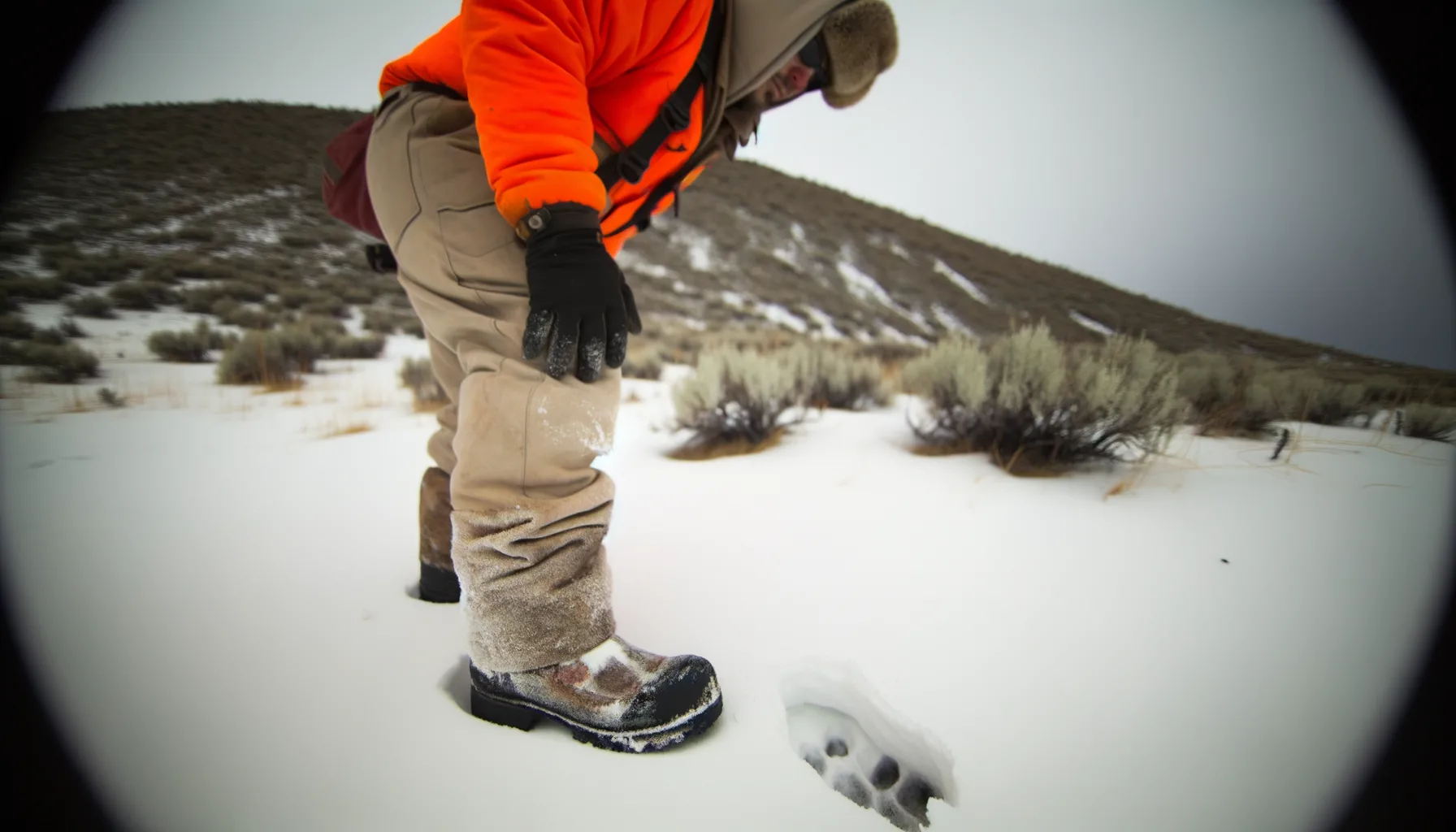
Mountain lion hunting in Montana operates under some of the strictest regulations in the state, and for good reason. These apex predators play a crucial role in our ecosystem, and managing their harvest requires precision. Yet recent reports from Montana Fish, Wildlife and Parks indicate a concerning trend: more illegal lion harvests are occurring across the state, suggesting that some hunters either don’t understand the rules or aren’t taking them seriously enough.
If you’re pursuing mountain lions in Montana—or considering it—now’s the time to get crystal clear on what’s legal and what’s not. The consequences of a mistake go beyond hefty fines; they impact our wildlife populations and the future of hunting opportunities in Big Sky Country.
Understanding Montana’s Lion Harvest System
Montana’s mountain lion hunting framework is built around quota systems that vary by region. Once a specific area reaches its harvest limit, the season closes immediately. This isn’t like deer or elk hunting where you have a set season regardless of harvest numbers. With lions, you could legally hunt on Monday and face a closed season by Tuesday if the quota fills overnight.
The problem? Not all hunters are checking the current status before heading out or before pulling the trigger. FWP updates harvest numbers regularly, but it’s the hunter’s responsibility to verify their hunting district remains open. That five-hour drive into the backcountry means nothing if the season closed while you were en route.
Common Violations and How to Avoid Them
Based on enforcement patterns, several violations keep appearing:
- Hunting in closed districts: Always check FWP’s website or call the regional office before your hunt. Harvest limits can close districts with little warning during peak season.
- Improper licensing: Mountain lion hunting requires both a base hunting license and a specific mountain lion license. Don’t assume your general big game license covers it.
- Failure to report immediately: Montana law requires hunters to report lion harvests within specific timeframes and present the animal for inspection. This isn’t optional—it’s how FWP tracks quotas.
- Taking females with kittens: Harvesting female lions accompanied by spotted kittens is illegal statewide, regardless of quota status. If you can’t positively identify the sex and confirm no dependent offspring are present, don’t shoot.
The Technology Gap
Here’s a reality check for backcountry lion hunters: Montana’s cell service is spotty at best in prime lion country. You might have checked the regulations before leaving town, but if you’re spending multiple days in the field, regulations can change while you’re off-grid. The solution? Download offline copies of current regulations, know your district numbers cold, and consider carrying a satellite communication device that allows basic data access.
Many successful lion hunters now treat their hunts like expeditions, checking in with FWP offices via sat phone before committing to a pursuit, especially late in the season when quotas approach limits.
Why This Matters Beyond Citations
Illegal harvests don’t just result in individual penalties—they threaten the entire management system. When lions are taken over quota limits, FWP must adjust future seasons, potentially reducing opportunity for law-abiding hunters. We’ve seen this pattern with other species. Push the system too hard through illegal or unethical harvest, and everyone pays the price through reduced tags and shorter seasons.
Montana’s lion populations are generally healthy, but they’re not unlimited. These cats have low reproductive rates compared to deer or elk. A female mountain lion might produce only a handful of surviving offspring in her lifetime. Overharvest, even marginally, has lasting impacts.
What Responsible Hunters Should Do
First, educate yourself thoroughly before pursuing lions. FWP offers resources, and connecting with experienced lion hunters can provide invaluable insight into both regulations and ethics. Second, invest in proper communication tools if you hunt backcountry areas. Third, understand that passing on a shot is sometimes the most important decision you’ll make.
Mountain lion hunting represents one of Montana’s most challenging and rewarding pursuits. Let’s keep it that way by ensuring we’re all operating within the bounds of the law and the principles of ethical hunting. The cats—and future generations of Montana hunters—deserve nothing less.
Source inspiration: Montana Right Now