
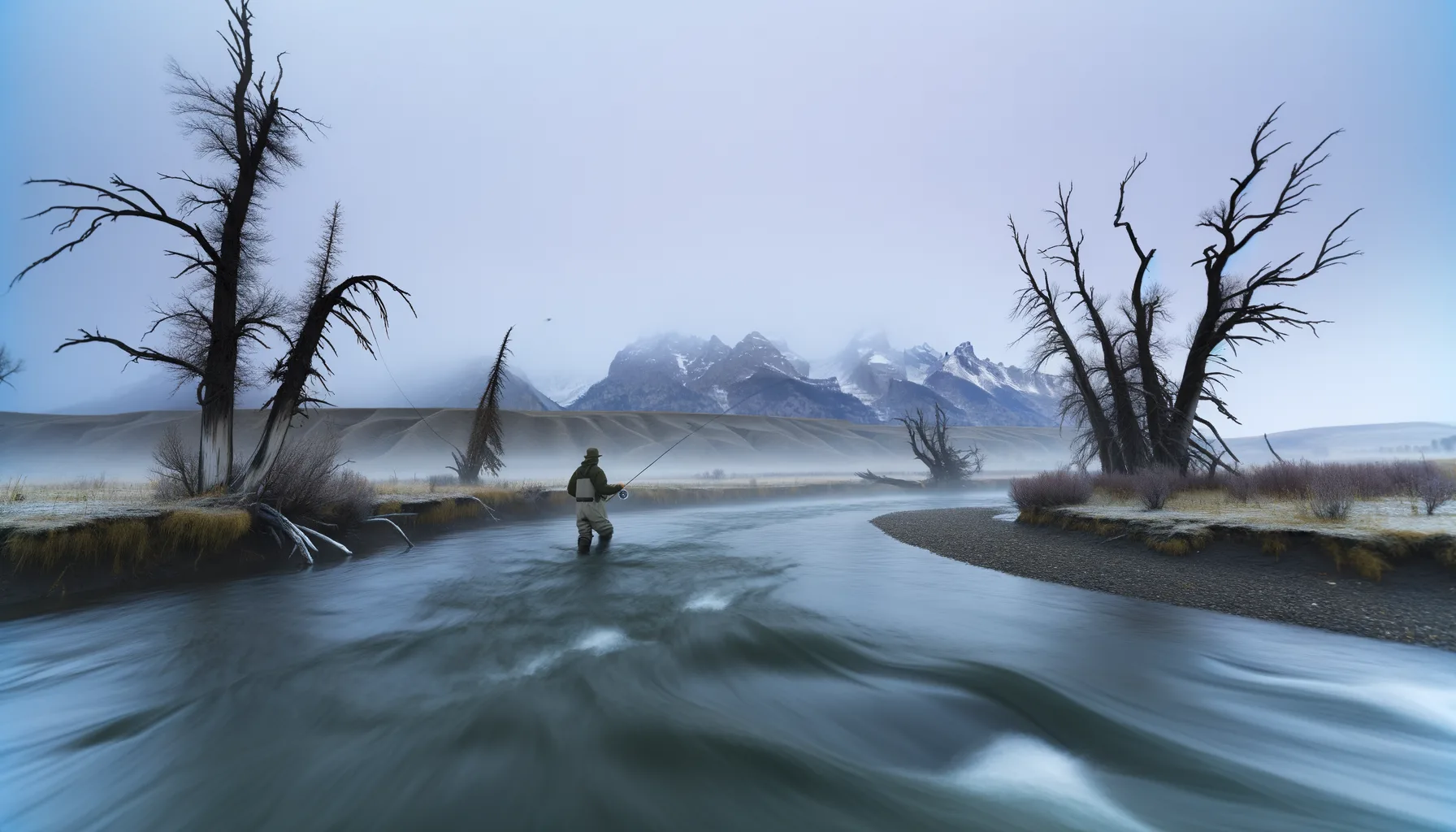
We’re right in the sweet spot of Montana’s fishing calendar, folks. Mid-March typically marks that magical transition period where ice starts breaking up on our lakes and reservoirs while our rivers begin their spring awakening. It’s an exciting time that requires both patience and adaptability, but the payoffs can be spectacular.
Seasonal Patterns Overview
This time of year typically brings rapidly changing conditions across the state. River conditions often improve as water temperatures begin rising into the mid-30s and fish start showing more activity as daylight hours increase.
IMPORTANT: Before heading out, always check current conditions directly with local fly shops, Montana Fish, Wildlife & Parks, and recent fishing reports. Historical patterns are useful guides, but actual conditions vary significantly from year to year based on weather, snowpack, and other factors.
Top Rivers Based on Historical Mid-March Patterns
Madison River
The Madison historically shows strong mid-March fishing with spring-like temperatures awakening the fish. Target brown and rainbow trout using nymphing techniques. Pink worms, flesh-colored eggs, midge larvae, and small stonefly nymphs are typically productive this time of year. Focus on deep green water and work your flies slow and deep when water temps are in the mid-30s. Key access: Check current conditions as ice jams can affect lower sections during ice-out periods.
Gallatin River
Historically productive during mid-March transitions. Nymph fishing typically dominates, but watch for midges bringing fish to the surface during warmer parts of the day. Try a tandem rig with a small Pat’s Rubber Leg or worm as your lead fly, followed by a dark Perdigon or Zebra Midge in black or purple. Target deeper holes and inside bends with split shot about a foot above your lead fly.
Flathead River
River conditions begin their seasonal transition during this period. Drift boat fishing with nymphs has historically produced decent trout action. Regulation reminder: Single hook only on this system. Focus on traditional nymph patterns and be prepared for changing water conditions as snowmelt begins.
Yellowstone River
Often still in winter mode during mid-March with ice coverage that can block boat ramps. If you find fishable water, target the top of longer, slower runs first, then move deeper if success doesn’t come quickly. Exercise extreme caution during cold weather—hypothermia risk is real. Best fishing typically happens after lunch when temperatures peak.
Top Lakes and Reservoirs
CRITICAL SAFETY WARNING: Ice conditions during the March transition period are extremely dangerous and unpredictable. Ice that appears safe in the morning can become deadly by afternoon. We strongly recommend waiting for complete ice-out before fishing these waters. If you choose to venture onto ice despite these warnings, you do so at your own risk. Always wear a life jacket, carry ice picks and rope, fish with a partner, and inform someone of your plans. When in doubt, stay off the ice.
Flathead Lake
The Delta area has historically produced excellent lake trout fishing in 15-40 feet of water during this period. Jigs and cut bait are typical go-to techniques, with some success on swimbaits for casting. Check current access and conditions before heading out.
Canyon Ferry
South end open water has historically provided rainbow fishing opportunities during ice-out. Timing varies significantly year to year. Contact local shops for current ice conditions and safe access points before visiting.
Holter Lake
The Gates of the Mountains area typically goes ice-free first, offering excellent rainbow fishing along shore and by boat. Leech pattern flies, plain crawlers, marshmallows, and various spoons have been historically productive. Access note: Gates boat ramp opening depends on ice conditions—check with local authorities for current status.
Helena Valley Regulating Reservoir
Has historically produced kokanee action in 25-40 feet of water using Swedish Pimples or Halis jigs tipped with maggots or corn. Ice safety: Contact local authorities for current ice conditions before attempting to access this water body.
Hatches and Fly Selection
Mid-March in Montana is primarily a midge story. Midge larvae in dark colors (black, purple, dark brown) are essential. Size 18-22 Zebra Midges are go-to patterns. On warmer afternoons, watch for adult midges bringing fish to the surface—especially on slower river sections and lake edges.
Key patterns for this period:
- Zebra Midge (black, purple) – sizes 18-22
- Pink worms and San Juan worms
- Flesh-colored egg patterns
- Small Pat’s Rubber Legs
- Dark Perdigons
- Leech patterns for lake fishing
- Small stonefly nymphs
Gear and Tactics Tips
Weight is critical – Fish are still lethargic in cold water. Get your flies down quickly with adequate split shot placed 12-18 inches above your lead fly. For lake fishing, don’t be afraid to fish deep—kokanee are often 40-200 feet down depending on the water body.
Slow your presentation – Cold water means slow fish. Let them see your offering multiple times rather than running and gunning. Work each productive hole thoroughly.
Safety gear essentials: For river fishing, consider a wading staff as ice along banks can create slippery conditions. Dress in layers and be prepared for rapidly changing weather conditions.
Electronics advantage: Fish finders are helpful for lake fishing. Schools of kokanee and trout are often concentrated, and locating them improves success rates.
Planning Your Trip
Historical patterns suggest continued changes on most waters during mid-March, but always verify current conditions before heading out. Contact local fly shops, check Montana FWP websites, and consult recent fishing reports. Conditions can vary dramatically from year to year based on weather patterns, snowpack levels, and other environmental factors.
Recommended resources for current conditions:
- Montana Fish, Wildlife & Parks fishing reports
- Local fly shops near your destination
- Recent online fishing reports and forums
- NOAA weather forecasts
The transition period offers excellent opportunities for those willing to adapt to changing conditions, but safety and current information should always be your first priority. Tight lines and stay safe out there!