Nobody posts a sign in the fly shop that says “dry fly guys stand here, worm guys stand over there in shame.” But everybody knows the hierarchy exists.
At the top: the purist casting size 18 PMDs to rising rainbows on the Madison during the salmonfly hatch, sunlight on the water, the whole romantic package. At the bottom: the poor slob who ties on a San Juan Worm and nymphs a tailwater hole in March. That’s me, some days. And I’ve got a net full of reasons I don’t apologize for it.
That simple chenille creation — the thing that looks more like something you’d find in a cat’s toy basket than a fly box — has become the pariah of Western fly fishing. Walk into any shop from Missoula to Bozeman and mention you’re tying on a worm. You’ll get looks ranging from pity to quiet contempt. “Bait on a hook,” they’ll say. “Not real fly fishing.”
Here’s what those purists won’t tell you: trout eat worms. A lot of them. Especially in Montana’s freestone rivers and tailwaters during spring runoff, after heavy rain, any time rising water dislodges aquatic worms — actual living creatures — and tumbles them into the drift. The fish aren’t confused. They’re hungry.
The Science Behind the Shame
Aquatic worms, particularly Tubifex and various annelid species, are a legitimate and significant food source for trout. They’re most available during high water events when they get knocked loose from substrate and streambanks. On Montana’s tailwaters — the Missouri, the Bighorn, the Madison below Hebgen — those conditions show up regularly during dam releases and seasonal fluctuations. This isn’t theory. It’s what’s actually in the water.
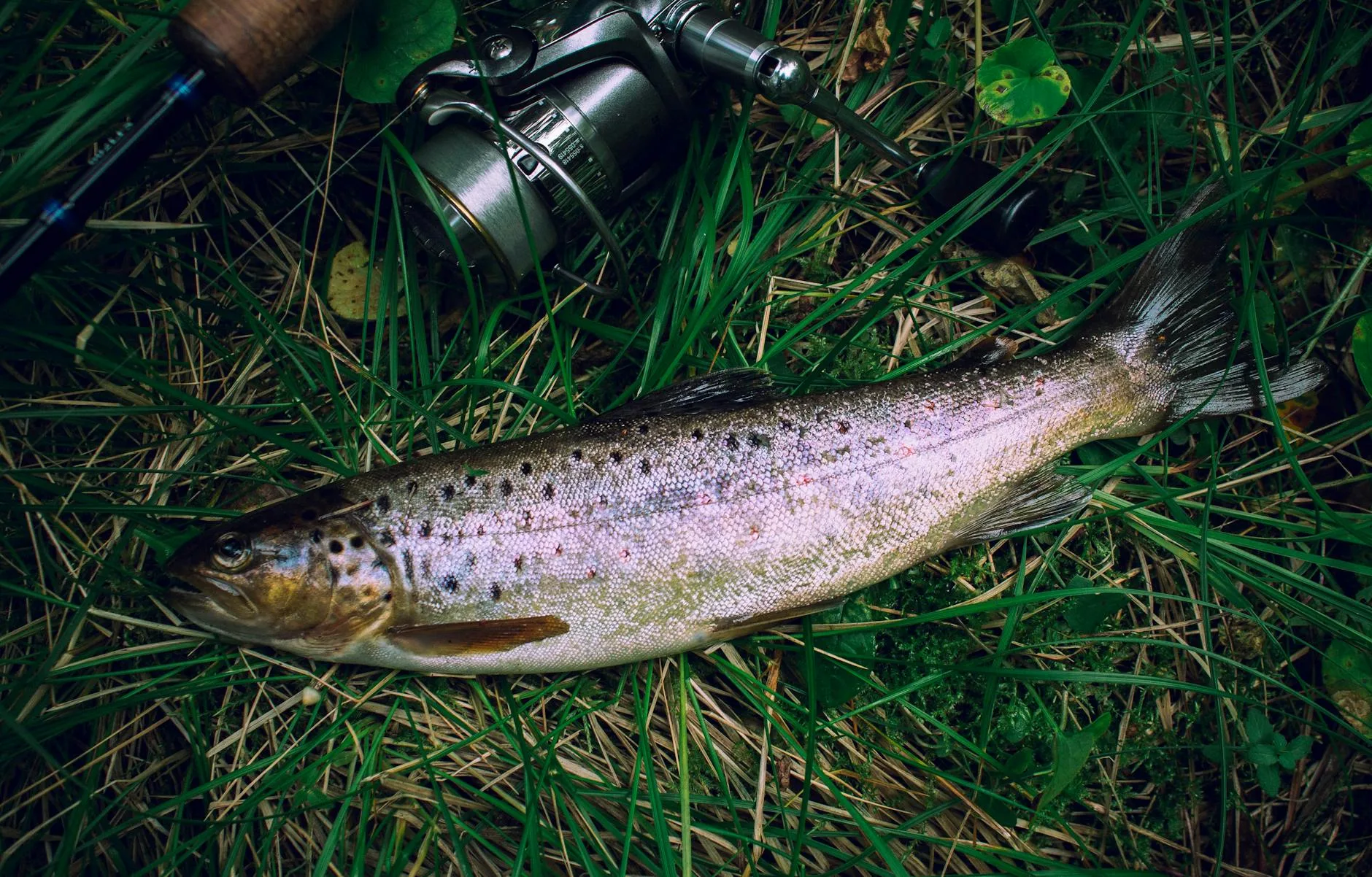
When a 17-inch brown smashes your San Juan Worm in the runs below Holter Dam, or in the deep pools of the Bitterroot in March, that fish isn’t being tricked. It’s eating something it recognizes as food. You’re presenting a natural forage item in a way that looks real. That’s the literal definition of fly fishing, and anyone who argues otherwise is more interested in aesthetics than biology.
When Montana Trout Want Worms
The San Juan Worm isn’t a year-round answer. But there are specific conditions on Montana water where it flats-out outfishes everything else in your box. Early season on the Missouri, Bighorn, and Madison below Quake Lake — February through April — insect activity is minimal and water temps keep trout lethargic but willing to eat something substantial drifted right in front of them. A worm fills that gap.
Spring runoff on the Blackfoot and Clark Fork pushes worms into the current, and a red or pink pattern stays visible in stained water long after mayfly nymphs have disappeared into the murk. Same goes for any Montana river after a significant rain — worms get washed off banks and out of overhanging vegetation, and the fish know it. Then there are those deep January and February holes, when trout are locked tight to structure and barely moving. Drift a worm slow and deep, right down in that bucket, and you’ll move fish that wouldn’t touch anything else.
Rigging for Montana Waters
Don’t just lob it in the current and hope. Fish it like you mean it.
Run a two-fly nymph rig with the worm as your point fly and a smaller tungsten bead-head — size 16-18 Pheasant Tail or Hare’s Ear — as your dropper, spaced about 18 inches apart. The worm gets down, the dropper adds a little attraction, and you’re covering two food sources at once. Weight matters more than fly selection in these conditions. You want that worm ticking bottom through the bucket — that deep inside bend where current slows and big fish hold. Add split shot 12 inches above your top fly, adjust until you’re occasionally tapping rocks, and then fish the same run for 45 minutes. Big browns don’t move far in cold water. You’re not covering water. You’re waiting for the drift that puts protein directly in front of a fish’s face. That’s a different mindset than most nymph fishermen show up with, and it makes a real difference.
The Smile Test
Honestly, there’s only one metric that matters in fly fishing: did you smile when you released that fish? Did your hands shake a little when you netted a 17-inch brown that cartwheeled three feet out of the water at eye level?
Montana’s fly fishing culture can be insular and judgmental. We’ve built hierarchies around gear, techniques, and flies that have nothing to do with the actual experience of connecting with wild trout in moving water. The Renegade, the Royal Wulff, the San Juan Worm — these patterns catch fish because they work, not because they’re elegant.
In my experience, the guys most vocal about what’s “real” fly fishing are often the ones with the driest nets. Your fly box should hold what catches fish in the conditions you’re actually fishing, not what impresses somebody behind the counter.
So if that means a few San Juan Worms for the Missouri in February and the Clark Fork in late April, carry them without apology. Judge the fly all you want. I’ll be the one with cold hands, a wet net, and a big dumb grin.
Source inspiration: https://flatheadbeacon.com/2026/03/25/worm-lord-of-fly-fishing/