
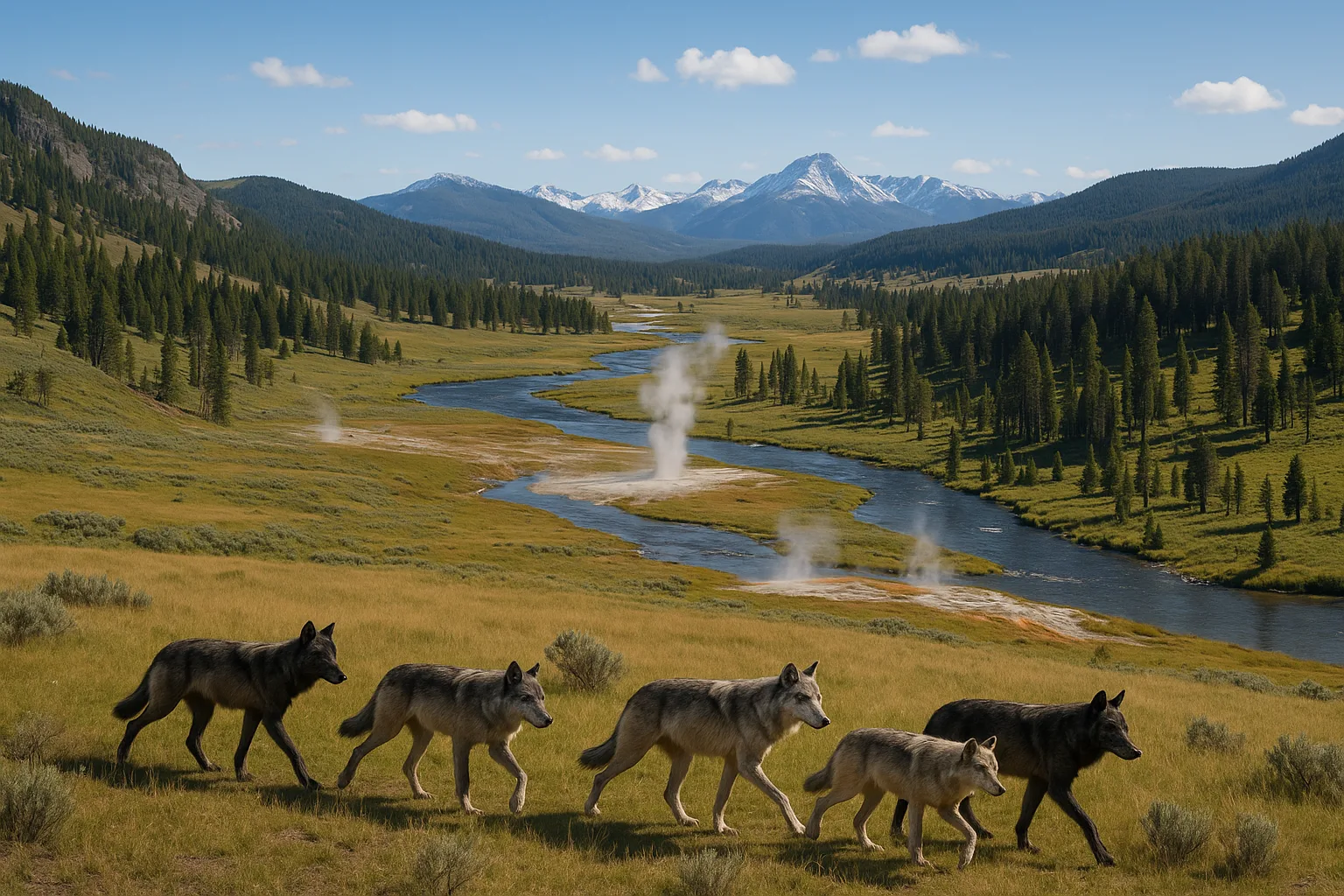
Yellowstone Wolves Drop to About 90 in 2025: What’s Driving the Decline and Why It Matters
In 2025, the iconic wolves of Yellowstone National Park experienced a concerning decline in their population, igniting discussions among conservationists and wildlife enthusiasts alike. This development is not just a statistical change but a reflection of broader ecological dynamics and human influences that require urgent attention.
Key Takeaways
- Yellowstone reported a decline from approximately 123 wolves in 2024 to around 90 in 2025 (about a 27% decrease).
- Park managers cite natural mortality, disease, inter-pack conflict, and environmental changes as contributing factors.
- Shifts linked to climate change—especially impacts on prey availability and habitat conditions—remain a growing concern.
- Fewer wolves can ripple through the food web, affecting prey behavior and vegetation, with broader biodiversity impacts.
- Officials are monitoring the trend using tracking and research to understand what’s driving the change.
What’s Happening
Yellowstone National Park, renowned for its successful wolf reintroduction program, reported a decline in its wolf population in 2025. The park’s management noted that the number of wolves fell from approximately 123 in 2024 to around 90 in 2025. This decline, representing a 27% decrease, is significant given the park’s role in wolf conservation and research.
Several factors have contributed to this downturn. Natural mortality due to disease, inter-pack conflict, and environmental changes have all played a role. Additionally, the impact of climate change on prey availability and habitat conditions has been a growing concern. The park’s management is actively monitoring these developments through advanced tracking and research methodologies.

For readers tracking Yellowstone wildlife more broadly (and where you may still spot wolves in-season), see our guide to Yellowstone’s Spring Wildlife Boom: Where to Spot Bison, Elk, Bears, and Wolves This Season.
Why It Matters
The decline in Yellowstone’s wolf population is more than a local concern; it has broader ecological implications. Wolves are apex predators, playing a crucial role in maintaining the balance of their ecosystems. Their presence affects the populations and behaviors of prey species such as elk and deer, which in turn influences vegetation growth and overall biodiversity.
The reduction in wolf numbers could lead to overpopulation of certain prey species, potentially resulting in overgrazing and habitat degradation. This change can cascade through the ecosystem, affecting other wildlife and the park’s overall health.
Moreover, Yellowstone wolves are a vital part of the park’s identity, drawing tourists and researchers from around the world, and their decline could impact the park’s economic and educational value. If you want a closer look at how wolves interact with other iconic species on the landscape, don’t miss Bison Herd Faces Off With a Pack of 23 Wolves in Yellowstone’s Lamar Valley (Video).
The Bigger Picture
The story of Yellowstone’s wolves is one of conservation success and challenges. Reintroduced in the mid-1990s after being extinct in the region for decades, the wolves quickly became a symbol of ecological restoration. Their reintroduction has provided invaluable insights into predator-prey dynamics and ecosystem management.
However, the current decline highlights ongoing challenges. Across North America, wolf populations face threats from habitat loss, human-wildlife conflict, and legislative shifts that affect their protection status. As debates continue over land use and wildlife management, the situation in Yellowstone serves as a microcosm of larger conservation issues.
Human impacts near park boundaries can also shape the conversation around wolf management. For related context, see Illegal Killing of Yellowstone Wolf Near Park Border Sparks Montana Poaching Investigation.
What to Watch For
Looking ahead, the focus will be on monitoring the wolf population through the coming seasons. Park officials and researchers will continue to study the factors influencing the decline, including potential changes in prey populations and environmental conditions. Additionally, there may be a need for policy adjustments to address human impacts and to enhance habitat protection.
Conversations among stakeholders, including conservation groups, policymakers, and the public, are crucial in shaping the future of wolf management in Yellowstone and beyond. As these discussions evolve, they will likely influence conservation strategies across the continent.
This article is based on reporting by The Livingston Enterprise.
Frequently Asked Questions
- Why did the wolf population in Yellowstone decline in 2025?
- The decline was attributed to natural mortality, disease, inter-pack conflicts, and environmental changes affecting prey availability and habitat conditions.
- How many wolves were in Yellowstone in 2025?
- Approximately 90 wolves were reported in Yellowstone National Park in 2025.
- How does this compare to 2024?
- Park management reported approximately 123 wolves in 2024, which means the 2025 count reflects a significant drop.
- What are the implications of a declining wolf population in Yellowstone?
- The decline could contribute to imbalances in prey populations, which can affect vegetation and overall ecosystem health, potentially impacting biodiversity across the park.
- What factors influence wolf population dynamics?
- Wolf populations are influenced by prey availability, habitat conditions, disease, human activity, climate-related environmental changes, and inter-pack conflict.
- How does Yellowstone monitor wolf populations?
- The park uses tracking technologies and research to monitor wolf numbers and health while studying ecological impacts and population trends.
- Could climate change be part of what’s happening?
- Park management noted growing concern about climate change impacts on prey availability and habitat conditions, which can affect wolf survival and reproduction.
- Why are Yellowstone wolves important beyond the park?
- Yellowstone’s wolves are widely studied and help inform predator-prey research and ecosystem management discussions that extend beyond the park.
Related Reading
- Yellowstone’s Spring Wildlife Boom: Where to Spot Bison, Elk, Bears, and Wolves This Season
- Bison Herd Faces Off With a Pack of 23 Wolves in Yellowstone’s Lamar Valley (Video)
- Illegal Killing of Yellowstone Wolf Near Park Border Sparks Montana Poaching Investigation
- No, Animals Aren’t Fleeing Yellowstone: Experts Debunk the Viral “Exodus” Eruption Rumor
Source: The Livingston Enterprise


