
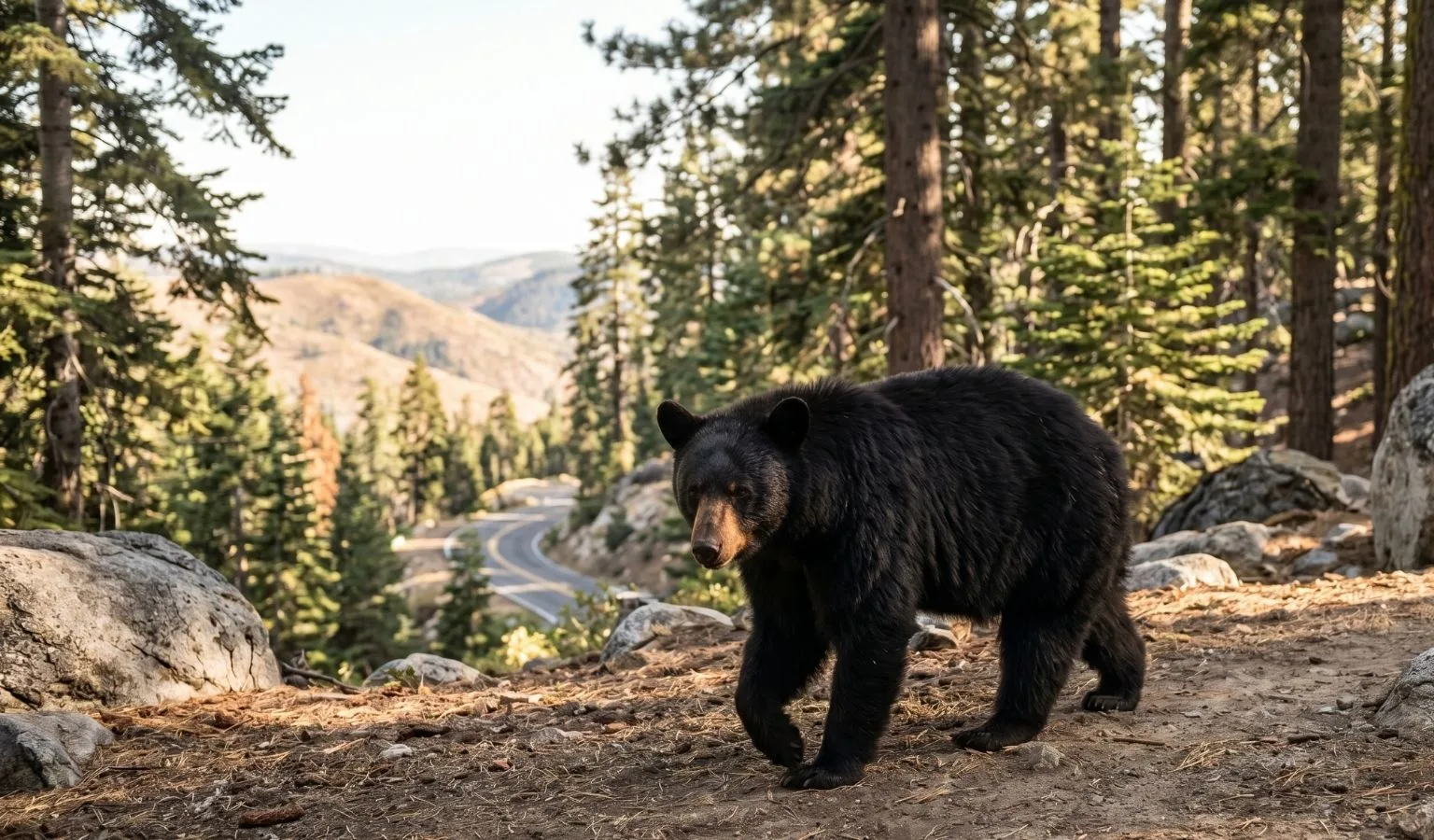
Even though we’re over here in Montana, we can still appreciate a win. It turns out California is finally taking a page out of the common-sense management handbook.
According to a recent article by MeatEater, the California Fish and Game Commission just gave a unanimous “heck yes” to a new amendment: bear hunters in the Golden State can now snag two black bear tags a year instead of just one.
The “Under-the-Quota” Conundrum
Down in California, they have a scientific harvest quota of 1,700 bears. But while we’re used to filling tags here in the 406, California hunters have been coming up short. Last year, they didn’t even break the 1,200 mark.
Meanwhile, their black bear population has exploded to roughly 59,000. That’s a lot of bears—and it’s led to a major uptick in human-bear “disagreements.” The state realized that keeping a one-tag limit was not only missing the management mark but also leaving a pile of conservation revenue on the table.
Science Over Politics
The move was backed by the folks at Backcountry Hunters & Anglers (BHA) and confirmed by state scientists. The goal isn’t to raise the 1,700-bear ceiling; it’s just to give hunters a better chance of actually hitting it.
Commissioner Samantha Murray pointed out what we Montanans have known forever: hunting is the most natural way to put meat on the table and stay connected to the land. When the science says there are too many bears for the habitat to handle, you grab your gear and get to work.
A Long Time Coming
California is definitely not known for being “hunter-friendly”—they’ve banned hounds and don’t have a spring season—so this second tag is a massive victory. It’s a nice change of pace considering that just five years ago, some folks were trying to ban bear hunting in California entirely.
The Montana Take: We might have our own rugged backcountry to worry about, but it’s good to see California recognizing that hunters are the best tool in the conservation shed.
So, while we’re busy scouting our own ridges, let’s recognize that California has a lot of “spot-and-stalk” work ahead of them this season—and now, they have twice the reason to get it done.
Montana's outdoor week, in your inbox at 7am Friday.