
Most walleye fisheries in Montana have one honest-to-goodness window each year where a guy can load the boat and expect results. At Fort Peck, that window is right now. Mid-April is when the spawn peaks, the fish are stacked shallow, and the gravel bays are as accessible and productive as they’ll be all season. A week from now? Could be a completely different story. Don’t overthink it. Load the truck, point it toward Glasgow, and read this first.
Water Temps Are the Trigger — Here’s What to Watch
Walleye at Fort Peck spawn when water temperatures push into the 44°F to 52°F range, and right now, in mid-April 2026, the shallow rocky bays and gravel shorelines across the reservoir are sitting squarely in that window. The Missouri River arm and the upper reaches warm first — they’re shallower and catch spring sunlight faster than the main body of water out near the dam.
Watch overnight lows closely. A cold front dropping temps back into the mid-20s along the Hi-Line can stall the bite for 24 to 48 hours, pushing fish slightly deeper and shutting their mouths tight. But the moment those clouds clear and a south wind starts warming the surface again, walleye move right back up. Carry a quality surface thermometer and check the shallows before you even think about setting up — if you’re reading below 44°F, run further up the river arm where the water has had more time to warm.
The Bays and Coves Holding Fish Right Now
Fort Peck is a massive reservoir — 134 miles long, over 1,500 miles of shoreline — and location intel matters more here than at almost any other fishery in the state. You can burn half a day running water if you don’t know where to start.
The Rock Creek and Hell Creek areas on the south shore consistently produce during the spawn window. Look for gravel and chunk rock transitions in 4 to 10 feet of water — that’s where staging fish hold before and after their actual spawning activity. Up on the Missouri River arm, particularly between the Fort Peck townsite and the upper end near the Dry Arm confluence, current seams where moving river water meets the reservoir flat are money. Classic early-season walleye water. Flat Lake and the associated bays off the north shore warm quickly and attract fish early in the spawn window, and they’re worth running to if the south shore is stacked with weekend boats. Rocky Point and the surrounding coves near the campground and boat ramp are accessible, historically reliable, and loaded with the broken rock and gradually tapering banks that spawning walleye are looking for in mid-April.
The rule at Fort Peck during the spawn is simple: find rock on a gradual slope, somewhere between 3 and 12 feet, with wind or current pushing into it. That’s your spot.
Rigs and Presentations That Are Producing
Spawning walleye aren’t feeding aggressively in the traditional sense — they’re in a biological state of urgency, and the presentations that produce are the ones that get in their face and force a reaction. Here’s what’s working right now.
Jig and Minnow — Still the Standard
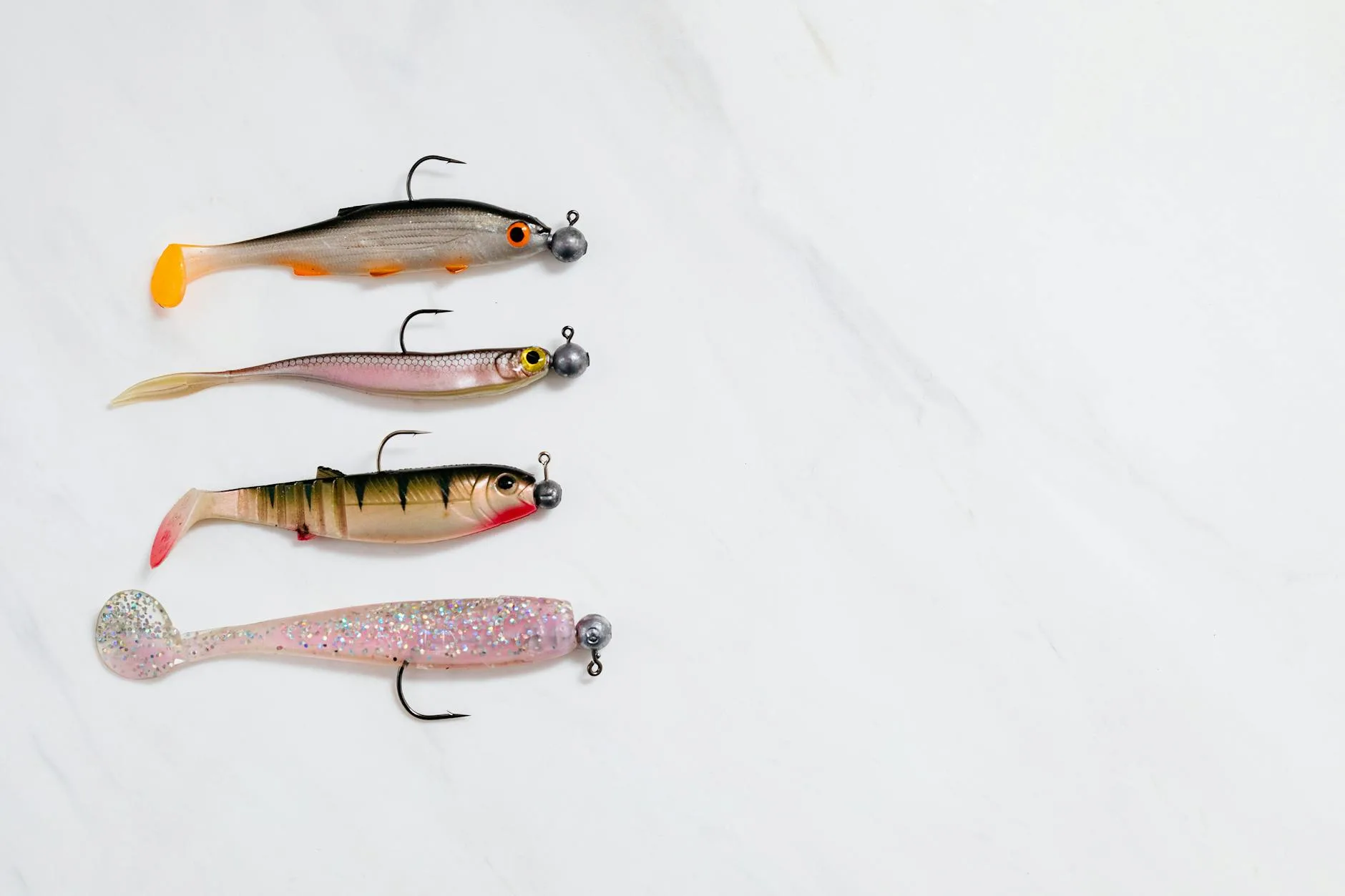
A 1/8 to 3/8 oz. jig head tipped with a fathead or shiner minnow is the most reliable spawn-period presentation on Fort Peck, full stop. Chartreuse, white, and pink jig heads all produce. Fish it on a slow drag across gravel in 5 to 8 feet of water, pausing frequently — the strike usually comes on the pause or the lift, not the retrieve. Use 8 to 10 lb. fluorocarbon leader material. The water is clear in April and fish will short-strike if you’re running heavy mono.
Shallow-Running Cranks at Night
Low-light periods — especially the two hours after sunset and before sunrise — are prime time during the spawn. Run a #5 or #7 Rapala Shad Rap or Flat Rap in crawdad, gold, or firetiger along rocky points and into cove pockets. Cast parallel to the bank rather than perpendicular so your lure stays in the zone longer. Honestly, some of the biggest walleye of the year come out of Fort Peck during these nighttime shallow-water runs. Don’t sleep through it — literally.
Blade Baits for Cold-Front Conditions
When a front has pushed through and fish go lockjaw, downsize your presentation. A Silver Buddy or Swedish Pimple in the 1/2 oz. range, worked with short lifts and long pauses in 8 to 15 feet of water just off the spawning flats, will pull fish that won’t chase a crank. Let it settle completely to the bottom between lifts. In my experience, most guys give up on the pause too soon — count to three after it hits bottom before you lift again.
Before You Launch — Know the Rules
Fort Peck falls under Montana Fish, Wildlife & Parks Region 6 regulations. The walleye slot limit remains in effect — check the current 2026 Montana Fishing Regulations for specifics before you leave home, since possession limits and slot rules can shift year to year. A valid Montana fishing license is required. Boat ramps at Downstream Recreation Area, Hell Creek, and Rock Creek are typically open and serviceable by mid-April, but call the U.S. Army Corps of Engineers Fort Peck office to confirm ramp conditions after any significant spring weather. Don’t assume.
Go This Week
By late April, water temps push past 55°F, the spawn wraps up, and those fish that were stacked shoulder-to-shoulder on the gravel flats scatter into 20 to 40 feet of open water. The easy catching is over. But right now, this week, Fort Peck is offering one of the best walleye opportunities in the state — shallow fish, reactive behavior, and some of the biggest slab walleye in Montana within reach of a well-placed jig. Northeast Montana is worth the drive when the timing is right. Right now, the timing is right.
Montana's outdoor week, in your inbox at 7am Friday.