
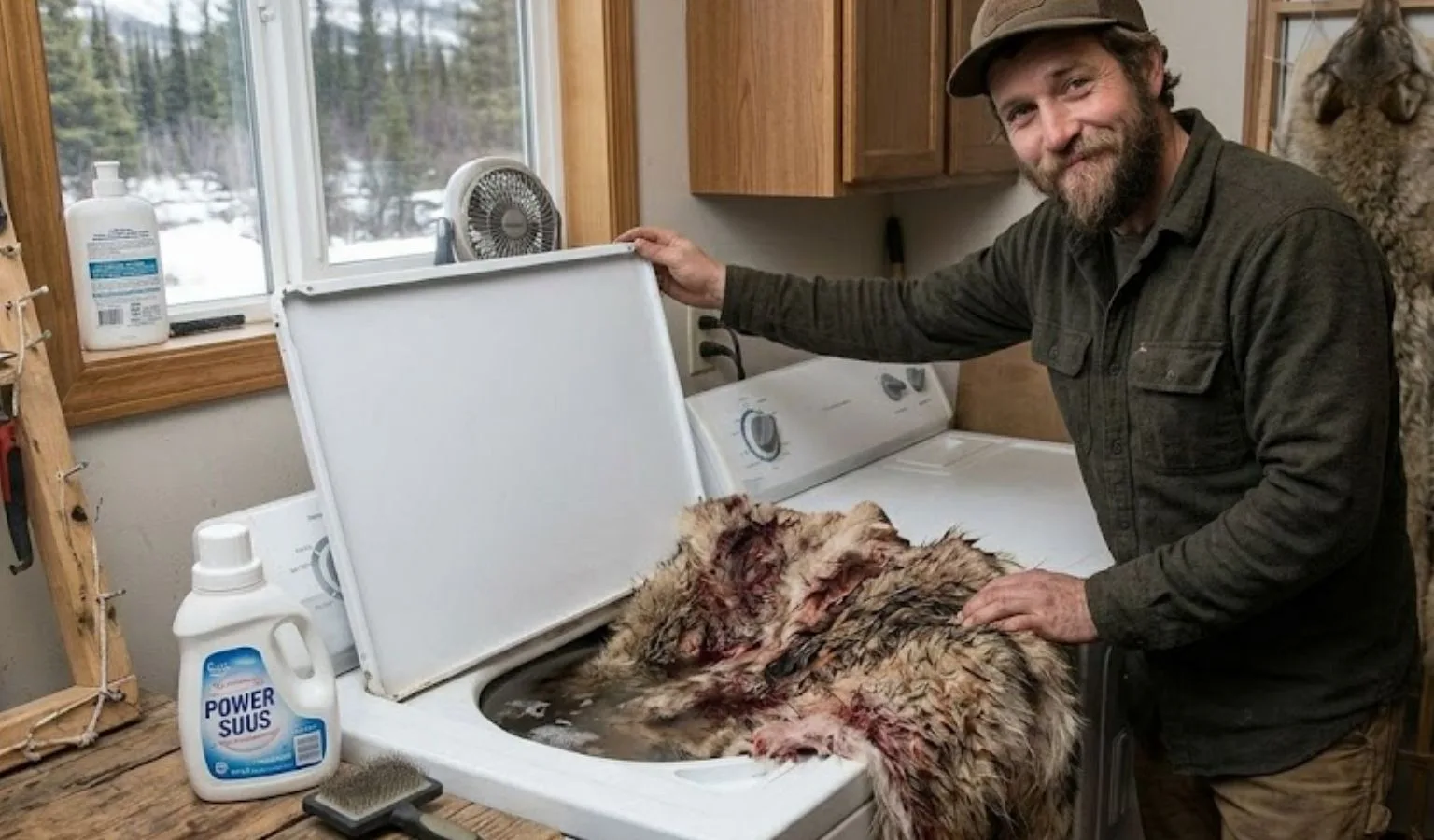
Whether it’s a late-night run to a laundromat or a clandestine cycle in the home mudroom, there’s a fine line between a clean pelt and a domestic dispute.
In a recent piece for Outdoor Life, seasoned Alaskan trapper Tyler Freel breaks down the “work smarter, not harder” philosophy of fur handling. For the purists, keeping a hide pristine from the field to the fleshing beam is the gold standard. But as any predator hunter knows, a well-placed rifle shot often results in a “bloody mess” that a simple five-gallon bucket and some elbow grease can’t easily fix.
The Taboo Time-Saver: The Washing Machine Method
Freel admits that while trapping usually keeps things tidy, shooting, transporting, and skinning predators like coyotes, foxes, and wolves often leaves the fur looking less than camera-ready. While tanneries can handle dried blood, those looking to sell fur or achieve a professional “put up” need a better solution.
Enter the washing machine—the ultimate “cheat code” for taxidermy prep and fur handling. Freel recounts the legendary (and perhaps cautionary) tale of an Alaskan trapping icon who used to sneak into 24-hour laundromats under the cover of darkness to cycle wolf hides, right up until he earned a lifetime ban.
Why it works:
- Efficiency: It removes dirt, grime, and matted blood far better than hand-scrubbing.
- Aesthetics: A standard dose of laundry detergent acts as a degreaser, leaving the fur fluffier and more vibrant once dry.
- Cold Water is Key: Using cold water prevents the skin from “cooking” or loosening the hair follicles.
Proceed with Caution (and a Fan)
While Freel advocates for the machine as a heavy-duty solution for messy hides, he warns that it should be a last resort. Soaking a hide introduces moisture that can lead to “slipping” (hair falling out) or spoilage if not handled correctly.
For those brave enough to toss a coyote in with the whites, Freel offers three essential rules:
- Wring it out: Get as much excess moisture out as humanly possible.
- Board immediately: Don’t let a wet hide sit; get it on the stretcher right away.
- Airflow: Use fans to accelerate the drying process, especially for thick-skinned species like wolves and wolverines.
The Disclaimer
While the results are undeniable, Freel offers one final bit of witty advice for the aspiring fur-cleaner: He is not responsible for the fallout from angry spouses or roommates. If you plan on making “pelt-loading” a habit, it might be time to scour Craigslist for a dedicated “junker” washer for the shop.
After all, a clean wolf hide is beautiful, but it’s probably not worth losing your security deposit—or your marriage—over.