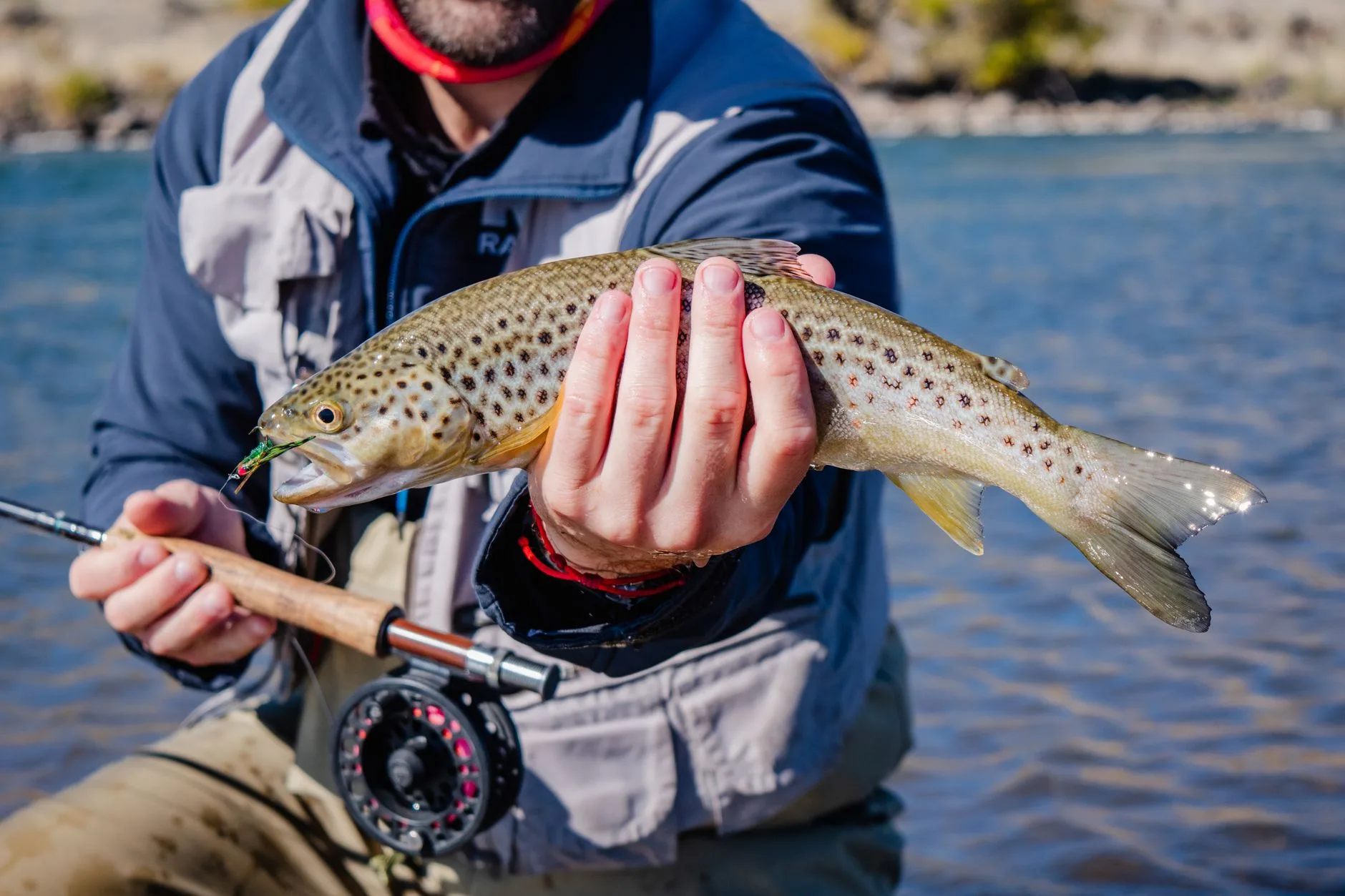
If you’ve ever stood on the bank of the Madison or floated a stretch of the Missouri convinced you had the right fly on — and still got outfished by the guy two rods over — this video is going to sting a little. But it’ll also fix the problem.
The guide behind River School built his teaching method around a simple but uncommon advantage: running two clients in the same drift boat, rigged slightly differently, day after day across thousands of floats. When you observe those kinds of side-by-side comparisons over years of guiding, patterns emerge that gut instinct alone would never reveal. The three fly mistakes he breaks down in this video aren’t beginner stuff. They’re the subtle, confident-feeling errors that keep intermediate anglers stuck — the kind of decisions that cost you a 20-inch brown without you ever knowing why.
Why This Matters More on Montana Rivers Right Now
Montana anglers have particular reason to pay attention heading into the back half of summer. The big brown trout that pushed into shallower, more accessible water during spring runoff are now pressured hard on every blue-ribbon stretch in the state. Fish on the upper Yellowstone above Livingston, the Big Hole through the Wise River corridor, and the lower Clark Fork near Missoula have seen every attractor pattern in the bin by mid-July. They didn’t get big by being careless, and they don’t forgive sloppy fly choices at this point in the season.
On heavily floated public access corridors — the Madison between Ennis and McAtee Bridge being the obvious example — those fish have developed what guides half-jokingly call a “resume.” They know what a heavily hackled Wulff looks like from underneath. They’ve eaten enough PMD imitations tied on hooks that are two sizes too large to associate that silhouette with food anymore. The details this guide breaks down matter more here than almost anywhere else in the country.
Three Takeaways Worth Applying Before Your Next Float
Without spoiling the full breakdown, here are the practical threads worth watching for and applying to your own Montana fishing:
- Hook gap and fly size are not the same decision. Plenty of anglers size down their fly profile for selective fish but stay on a standard hook, which changes the hang point and rejection rate. On tailwaters like the Missouri below Holter Dam, where fish inspect flies in slow, clear water, this is a consistent difference-maker.
- Attractor patterns earn their place in fast water, not slow water. A Chubby Chernobyl pulling double duty as a hopper and a strike indicator is a legitimate tactic on broken water like the upper Gallatin. Running the same fly through a flat, sun-lit pool on the Jefferson in August is a different proposition entirely — and usually a losing one.
- Tippet diameter affects more than your drift. Going lighter isn’t just about presentation. On rivers with consistent insect emergences — the Missouri’s trico hatches in late summer come to mind — tippet diameter influences how the fly hangs in the film, which fish feeding in a consistent rhythm will key on and reject in the same breath.
A Note on Public Access and Catch-and-Release Waters
Montana’s catch-and-release regulations on blue-ribbon corridors exist precisely because big brown trout are hard to grow and easy to lose. FWP has put significant management effort into protecting trophy fish populations on stretches like the Missouri River below Holter, the Madison River from Quake Lake downstream, and designated sections of the Beaverhead. Most of these reaches are accessible through the stream access law, which guarantees public use of navigable waterways to the high-water mark — meaning the fish are available to everyone, which also means the pressure is real.
Burning through a prime piece of water with the wrong fly — or the right fly presented the wrong way — isn’t just frustrating. It’s a missed opportunity that the regulations are designed to protect for you in the first place. Montana gives anglers remarkable access to world-class water. The least we can do is show up prepared.
Watch this one before your next float. Then watch it again on the drive home.
Montana's outdoor week, in your inbox at 7am Friday.