
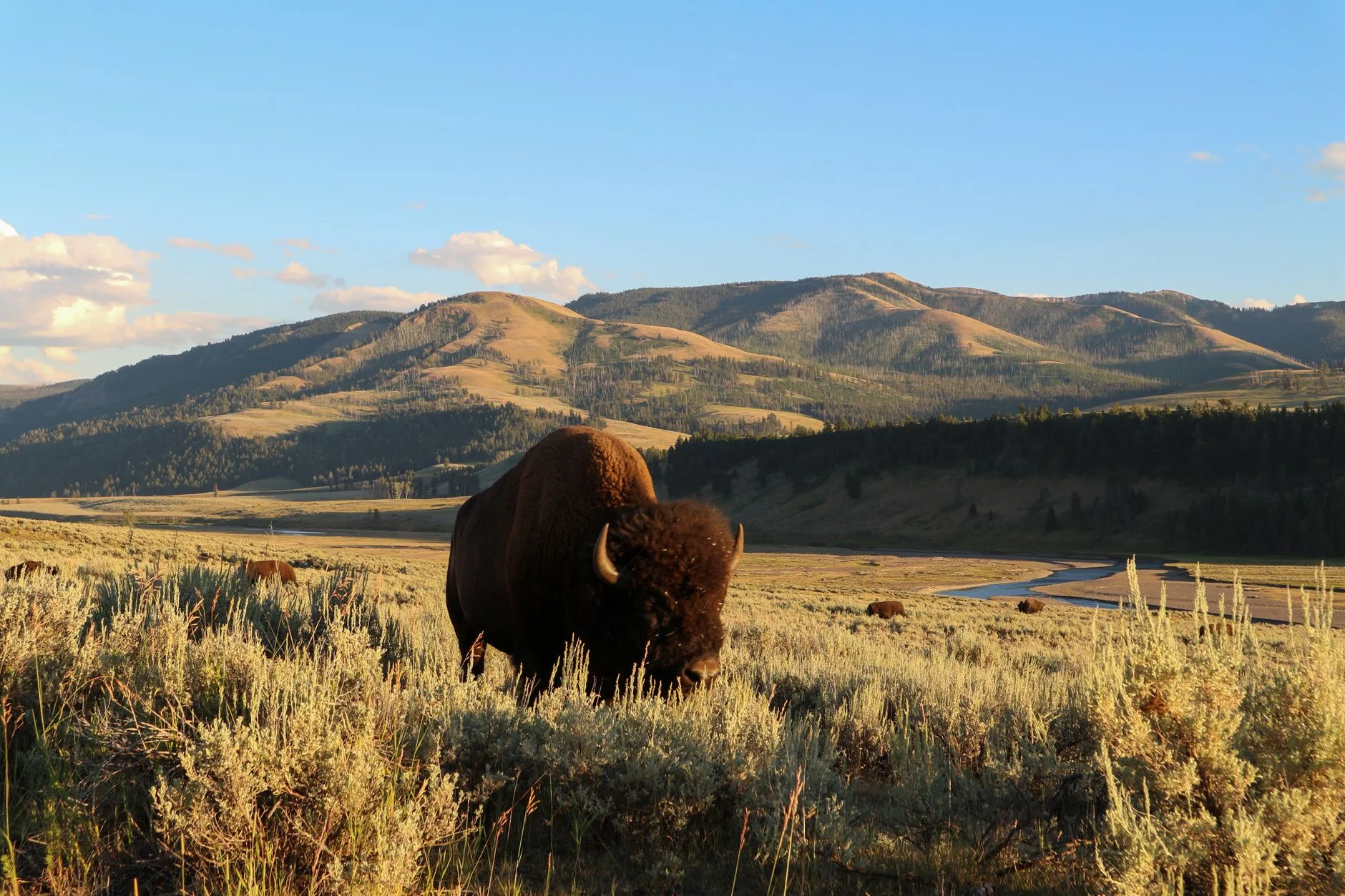
Every February, when the snowpack deepens inside Yellowstone National Park and forage gets buried under ice, bison do what they’ve always done — they move. They follow the Yellowstone River drainage north, pushing out of the park boundary near Gardiner and spreading into the grasslands of Park County looking for bare ground. It’s one of the most genuinely wild things you can watch in the Lower 48. It’s also one of the most contested wildlife management situations in the American West, and in 2025, with federal public lands policy being scrutinized harder than it has been in decades, that tension has a new edge to it.
The video below, which provides a broad overview of the Montana bison and public lands conflict, is worth watching as a starting point. But because the sourcing on bison policy matters a great deal here, we’ve added context from what’s actually happening on the ground in Montana.
The Brucellosis Argument — and Why It Cuts Uneven
The core justification for hazing bison back into the park — and for lethal removal when hazing fails — has long been brucellosis, a bacterial disease that can cause cattle to abort calves and that bison in the Greater Yellowstone Ecosystem carry at significant rates. Montana’s cattle industry depends on its brucellosis-free status for interstate commerce, and that’s a legitimate concern. The Interagency Bison Management Plan, a cooperative framework involving Montana FWP, the National Park Service, and the USDA’s Animal and Plant Health Inspection Service, has governed this balance since 2000.
What frustrates a lot of Montana hunters and wildlife advocates is the double standard applied to elk. Elk in the same ecosystem also carry and transmit brucellosis — there have been documented cattle infections traced to elk, not bison — yet elk migrate freely across the same landscape with none of the hazing operations or hard population caps that bison face. That inconsistency is real, it’s documented, and it’s been acknowledged in peer-reviewed wildlife science for years.
What It Means for Hunters Right Now
Montana has issued a limited number of bison hunting licenses in the Gardiner Basin and the Horse Butte area near West Yellowstone in recent seasons. These are hard to draw — we’re talking about a small pool of either-sex licenses issued through the regular FWP license drawing process. If you haven’t been putting in for bison, it’s worth starting now just to build preference points, even if a tag feels out of reach this year.
Tribal members from the Nez Perce Tribe, the Confederated Salish and Kootenai Tribes, the Crow Tribe, and other nations hold treaty-protected hunting rights in this corridor that predate Montana statehood by decades. Those rights are legally separate from state license allocations and are not going away — nor should they. Understanding that tribal harvest is part of the legal and ecological picture here matters for anyone trying to make sense of population management decisions.
The practical takeaway for hunters watching this situation: the number of bison available to hunt outside the park is directly tied to how much tolerance Montana and federal agencies extend to migratory animals using public land north of the boundary. More tolerance for migration historically means more animals on the landscape and, eventually, more hunting opportunity. Less tolerance — more aggressive hazing and removal — keeps populations suppressed. The current federal policy climate, with ongoing pressure around agency authority and public land management, makes the outcome of these decisions harder to predict than it’s been in a long time.
Why the Public Land Piece Matters Here
The Gardiner Basin, the Royal Teton Ranch corridor, and the benchlands along the Yellowstone River north of the park boundary are a patchwork of private ground, state land, and federal acreage managed by the Forest Service and BLM. Bison don’t read property lines. Neither do hunters looking for legal access. Any shift in who controls or manages those federal acres — whether through land transfers, grazing policy changes, or revised agency priorities — directly affects whether bison have room to exist outside the park in meaningful numbers and whether hunters have legal access to pursue them.
Montana’s bison are genuinely one of the best indicators we have for the health of the broader public lands system in this state. Watch what happens to them. It tells you a lot about what we’re actually protecting — and what we’re not.
Montana's outdoor week, in your inbox at 7am Friday.