
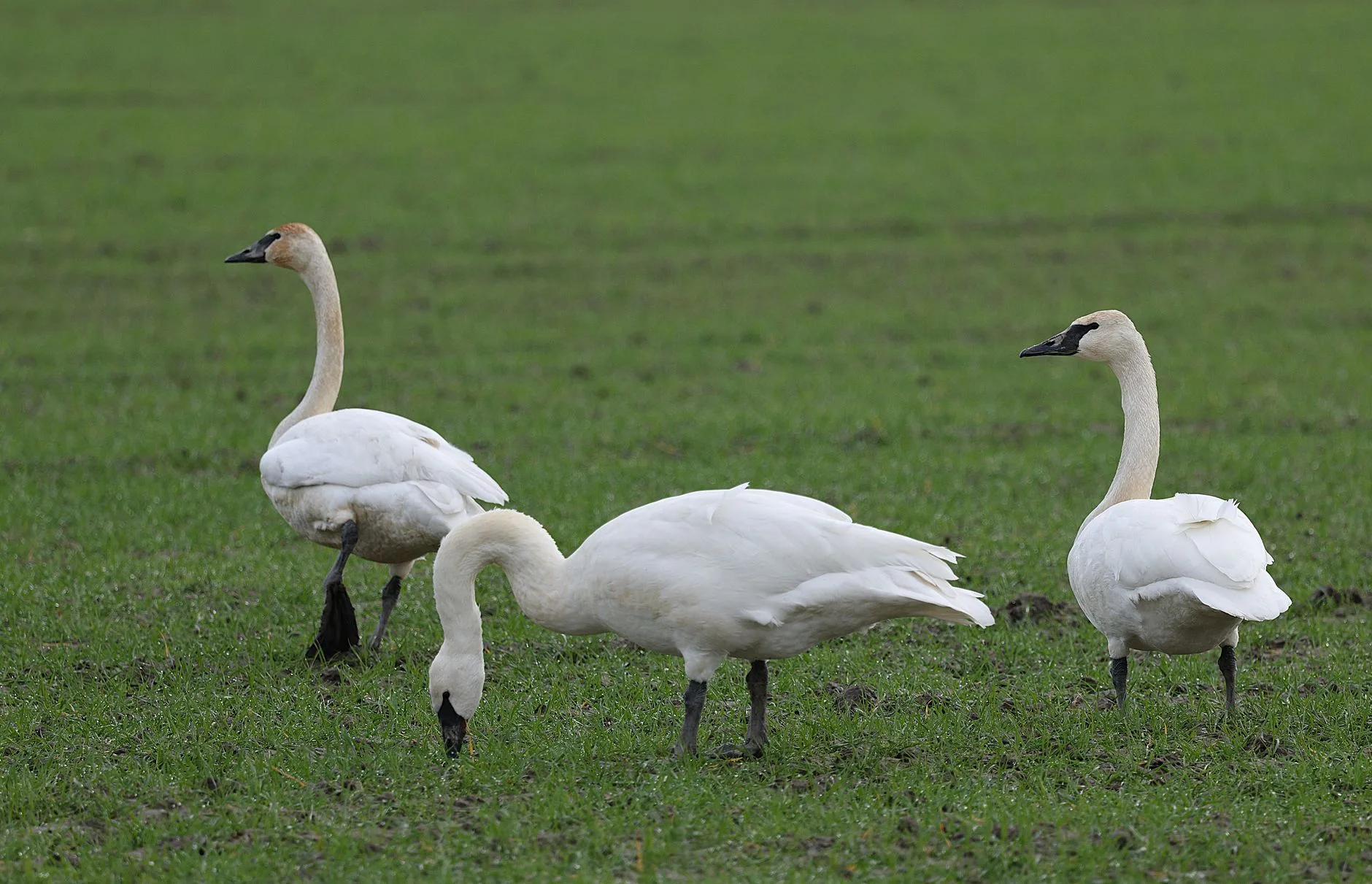
If you’ve spent any time glassing the marshes of southwest Montana — whether you were chasing elk in the Beaverhead or floating the Lima Reservoir area — you’ve probably seen a trumpeter swan and thought nothing of it. They’re just part of the landscape now. But 90-some years ago, that casual sighting would have been nearly impossible. In 1932, the entire known population of trumpeter swans in the lower 48 had been reduced to just 69 birds, all of them clinging to survival in the remote marshes of what is now the Red Rock Lakes National Wildlife Refuge in Beaverhead County. Dr. Raymond Finch’s new video digs into what happened next — and honestly, it’s one of the more remarkable wildlife recovery stories to ever come out of this state.
Red Rock Lakes NWR was established in 1935 specifically because of those 69 birds — one of the earliest examples in American history of a refuge being created to pull a species back from the absolute edge. The refuge sits at roughly 6,600 feet in the Centennial Valley, a place so remote and cold that it essentially forced early conservationists to get creative about year-round swan management. Montana Fish, Wildlife & Parks and the U.S. Fish & Wildlife Service have both had a hand in this recovery over the decades, including active trapping and translocation efforts that seeded new populations across the Pacific Northwest and the Great Plains. The birds you’re seeing today at Freezout Lake during spring migration, or on the upper Missouri River drainage in winter, largely trace their lineage back to that tiny Montana population.
For hunters and anglers, this story matters beyond just the feel-good angle. Trumpeter swans are a non-game species in Montana — fully protected, no season — and they share habitat with species you do pursue. The same Centennial Valley wetlands that sheltered those 69 swans are critical staging grounds for ducks and geese during fall migration. The water quality and marsh health that supports a robust swan population is the same ecosystem that produces the blue-winged teal, wigeon, and Canada geese that draw waterfowlers to southwest Montana every October. Healthy wetlands are a package deal, and the swan recovery is a pretty clear indicator that the Red Rock Lakes system is functioning the way it should.
Dr. Finch’s video is worth your time whether you’re a lifelong Montanan who grew up hearing about the Red Rock Lakes swans or someone who had no idea this story even existed. He goes beyond the standard “species was endangered, now it’s not” narrative and gets into the biological mechanics and the moments where the whole effort nearly unraveled. For anyone who spends serious time in the field in southwest Montana, this is your backyard — and knowing what it took to keep it intact makes every trip out there hit a little differently.
Montana's outdoor week, in your inbox at 7am Friday.