
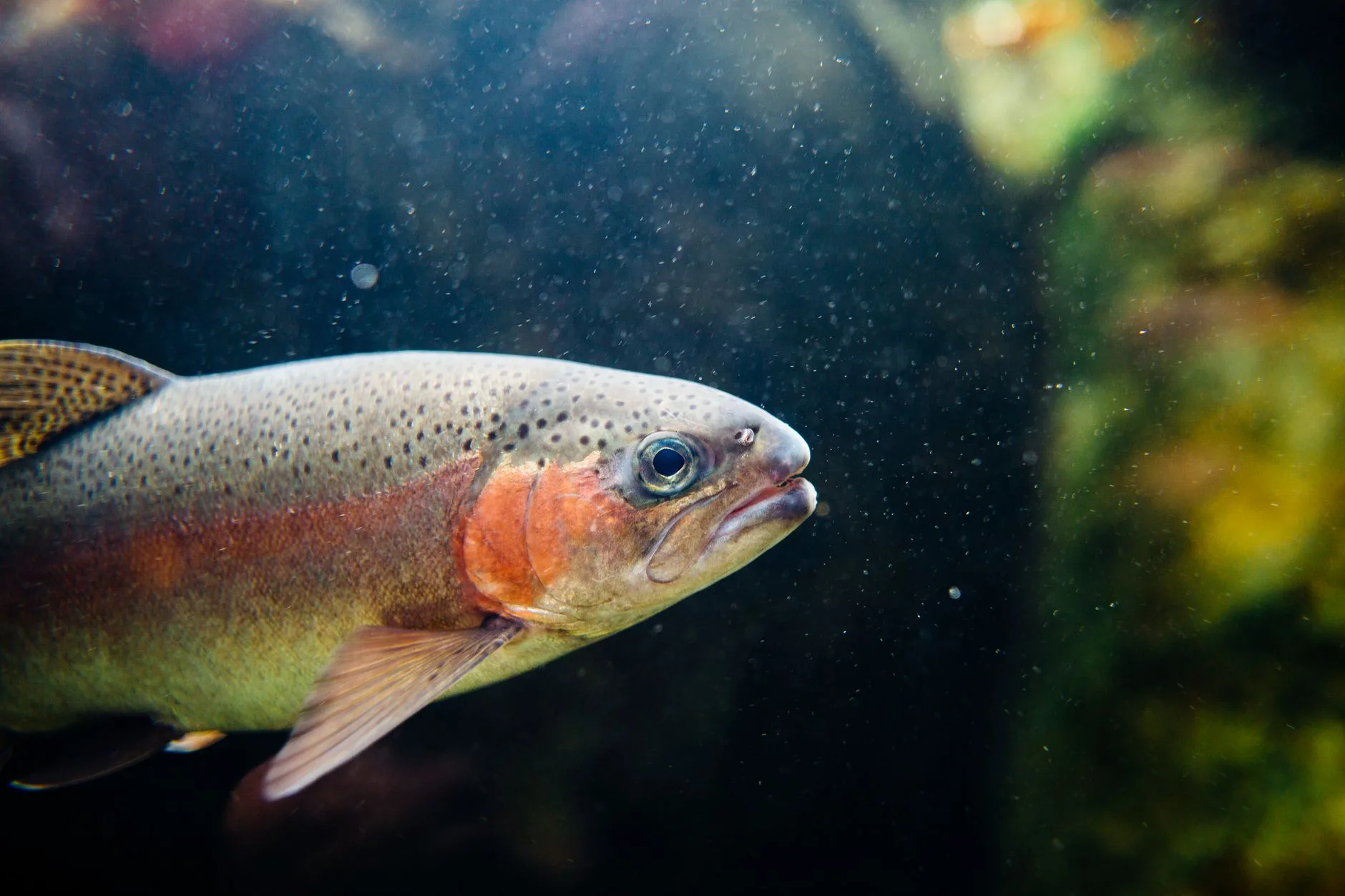
Every Montana angler has a story about stumbling onto a stretch of water that just shouldn’t exist — too good, too overlooked, too far off the radar. FlyFishDan’s latest video hits that nerve hard. He found a spot most people have driven past without a second glance, and it was absolutely stacked with rainbow trout pushing well over 20 inches. Not one or two fish. A lot of them.
What makes this worth your time isn’t just the fish porn — it’s the reminder that Montana still has water that hasn’t been Instagrammed into oblivion. The state is home to over 170,000 miles of rivers and streams, and Fish, Wildlife & Parks manages hundreds of fishing access sites across public land. Yet most pressure concentrates on the same handful of famous tailwaters and blue-ribbon corridors. The Madison, the Bighorn, the Beaverhead — they’re world-class for a reason, but they’re also crowded, especially mid-summer when out-of-state visitors are stacking up at every pull-off. Dan’s video is a case study in what happens when you do your homework, read the terrain, and stop defaulting to the obvious water.
It’s also worth noting the timing. August in Montana can be tough on trout. Water temperatures in many lower-elevation rivers climb into the thermal stress zone — FWP recommends stopping fishing when water temps hit 73°F, and catch-and-release mortality spikes well before that. Trophy-sized rainbows like the ones in this video tend to stack up in cold-water refugia: spring-fed side channels, high-elevation tributaries, and shaded canyon stretches that hold temperature even when the surrounding country is baking. Finding a spot like Dan’s in August isn’t luck — it’s reading the biology and putting boots on the ground in the right kind of water.
Dan rigs with custom fly rods from FishOn Rods and leans on FlyFishFood patterns, but the gear isn’t really the story here. The story is the legwork. If this video does anything for you, let it be motivation to pull up onX, cross-reference it with FWP’s fishing access layer, and go find your own version of this hole before the float crowds beat you to it. Montana still rewards the angler willing to walk a little farther and fish a little smarter. This video is proof.
Why Big Rainbows Congregate Where Most Anglers Never Look
There’s a tendency among casual anglers to equate fame with quality. If a river has a reputation, it must hold the best fish. That logic isn’t entirely wrong — the Madison and Bighorn are famous because they genuinely produce — but it creates a blind spot. The fish don’t read the guidebooks. A 22-inch rainbow doesn’t know it’s supposed to be living in a blue-ribbon stretch with a parking lot and a boat ramp. It knows where the cold water is, where the food is, and where it isn’t getting harassed every other day by a parade of waders and drift boats.
Trophy rainbows in Montana tend to concentrate around a few key habitat features regardless of how famous or obscure the water is. Look for the confluence of a cold spring or tributary entering a main stem — these junctions create thermal refugia that big fish gravitate toward in summer. Deep, undercut banks with overhead cover hold fish that have learned to avoid overhead threats. Long, flat tailouts below riffles give larger trout a low-energy feeding lane where they can intercept drifting food without burning calories. None of these features are exclusive to famous rivers. They exist on countless unnamed creeks, forgotten irrigation canals that hold over into wild stretches, and overlooked sections of drainages everyone assumes are fished out.
The other piece of the puzzle is fishing pressure itself. In heavily trafficked water, large trout get educated fast. They become leader-shy, selective, and largely nocturnal in their feeding. In a spot nobody’s hitting, those same fish can be surprisingly aggressive and willing. Dan’s video illustrates this perfectly — fish that would have been nearly impossible to fool on the Gallatin or the lower Madison were eating with considerably less skepticism in a place where they simply hadn’t seen much artificial presentation.
How to Find Your Own Hidden Hole in Montana
Start With Digital Scouting
The tools available to modern anglers have genuinely changed what’s possible in terms of finding overlooked water. onX Maps is the starting point most serious Montana anglers use — the fishing access layer overlaid on satellite imagery lets you identify public land corridors along streams that might otherwise look inaccessible. Cross-reference that with Google Earth’s historical imagery to look at water during different seasons, which can reveal spring channels, beaver ponds, and oxbow features that don’t show up at normal flow. FWP’s own interactive fishing access map is another resource worth bookmarking. It won’t tell you where the fish are, but it will tell you where you legally can be — and sometimes the access sites that are hardest to reach on that map are the ones holding the most fish.
Read the Topo, Not Just the Water
Before you ever leave the truck, study the terrain around any new stretch you’re considering. North-facing canyon walls keep direct sunlight off the water longer and hold temperature better through summer. High-gradient pocket water above 5,000 feet tends to stay cold even during heat events that cook lower-elevation rivers. Drainages that originate from snowfields or springs rather than runoff-dependent tributaries will maintain fishable temperatures weeks longer into summer than their counterparts. These aren’t guarantees, but they’re the kind of educated filtering that narrows your scouting from hundreds of potential miles down to a handful of stretches actually worth walking.
Talk to the Right People (and Know What to Ask)
Local fly shops remain one of the most underutilized resources in Montana fishing. Not because they’re going to hand you a GPS pin to their best spot — they won’t — but because experienced shop staff will often point you toward a drainage, an elevation band, or a type of water that’s been fishing well. Ask about conditions rather than locations. Ask what hatches have been coming off at higher elevations. Ask whether they’ve been hearing from clients about water temps in a particular drainage. Those answers, combined with your own digital scouting, can point you in exactly the right direction without anyone giving anything away they shouldn’t.
August Trout Fishing in Montana: Timing and Ethics Matter
Dan’s video was shot in conditions that highlight one of the most important — and sometimes ignored — aspects of summer trout fishing in Montana. August heat is real, and its effect on fish is real. Water temperatures in many of the state’s lower-elevation rivers and streams regularly climb into ranges that stress trout, and the combination of warm water and the physical exertion of being caught and released can be lethal even when the fish swims away looking fine.
FWP’s 73°F guideline exists for a reason, but responsible anglers don’t wait until the thermometer hits that number. Thermal stress begins well before that threshold, and fish that are already oxygen-depleted from warm water have significantly less physiological reserve to survive a fight and a release. Carrying a quality stream thermometer and checking water temperature before you start fishing isn’t optional in August — it’s part of fishing responsibly. If the water is warm, move up in elevation, seek out spring-fed reaches, fish early morning before temperatures peak, or simply call it a day and save the fish for conditions where your release actually means something.
The cold-water refugia that hold fish like the ones in Dan’s video also deserve a specific kind of ethical consideration. When trout stack into a limited patch of cold water to survive, they’re concentrated and vulnerable in a way they aren’t when spread across miles of comfortable habitat. Hammering a spring seep full of stressed fish because it’s producing is a short-term calculation that degrades both the fish and the resource. Catch a few, handle them quickly and carefully, and move on. Always check current FWP regulations for the specific water you’re fishing, as some drainages and stream segments carry special restrictions during summer months.
Gear Notes: What Dan’s Running and What Actually Matters
As mentioned, Dan fishes custom rods from FishOn Rods and relies on FlyFishFood patterns for his fly selection. For the kind of prospecting he’s doing in this video — reading unfamiliar water and covering water efficiently — a versatile 9-foot 5-weight covers most situations. If you’re fishing smaller, tighter streams with overhead structure, a shorter rod in a 3- or 4-weight gives you better accuracy and presentation in confined casting lanes. The rod matters less than most people think when you’re on fish that haven’t seen much pressure. A drag-free drift with a beat-up fly will outfish a perfect cast with poor line management every time.
For summer prospecting in Montana, a two-fly dry-dropper rig is a reliable starting point on water you don’t know. A buoyant attractor dry fly — something visible that can support a trailing nymph — covers both surface and subsurface feeding simultaneously and lets you gather information about what depth fish are holding at quickly. Carry a stream thermometer, carry forceps for fast hook removal, and carry enough tippet material to adjust leader length as you move between open and technical water. None of that is groundbreaking advice. The groundbreaking part is actually going somewhere new to use it.
The Bigger Picture: Montana Still Has Water Worth Finding
It’s easy to be cynical about undiscovered fishing in an era when YouTube channels, Instagram grids, and fishing apps have made it feel like every good piece of water has already been documented and overrun. Dan’s video is a useful corrective to that cynicism. Montana is simply too big, too varied in terrain, and too rich in water for any amount of social media coverage to have mapped it all. The overlooked stretches are still out there — they just require more effort to find than pulling up a top-ten list and following the crowds.
The anglers who consistently find water like what’s in this video share a few common traits: they spend time studying maps before they spend time on the water, they’re willing to hike past the point where the trail gets faint, and they pay attention to what the biology of the fish is telling them about where the fish should be rather than where the internet says they are. That combination — homework, legwork, and reading the water — is what produced the video you just watched. It’s also what will produce your version of it, if you put in the same work.
Pull up onX. Cross-reference the FWP access layer. Pick a drainage you’ve never fished. Go find out what’s in it. Montana still rewards that kind of angler, and days like the one Dan had in this video are the proof.
Montana's outdoor week, in your inbox at 7am Friday.